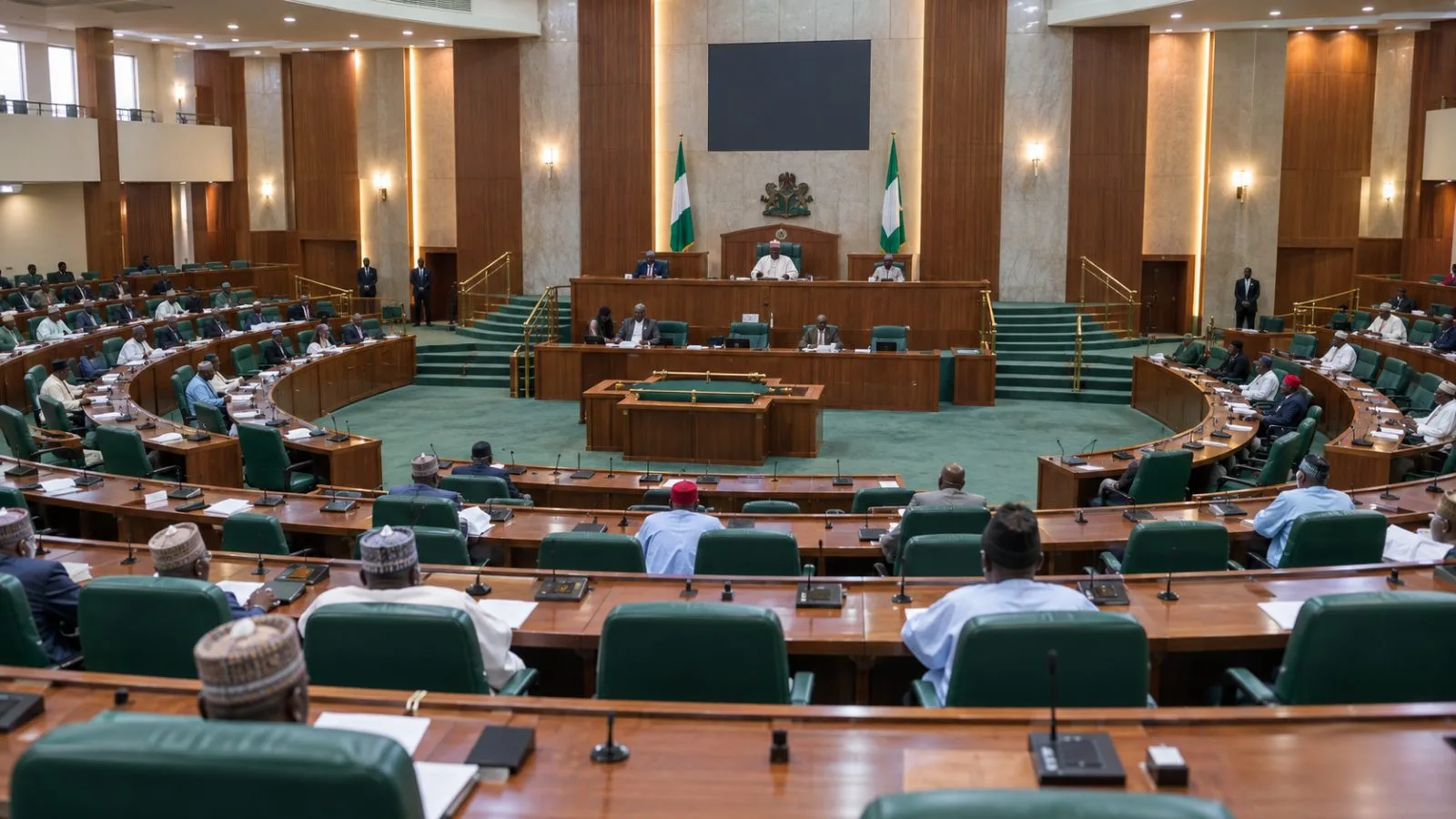
Nigeria’s Senate advanced a bill to amend the country’s senior secondary education law on Oct. 20 after Senator Adams Oshiomhole questioned why lawmakers were debating it without copies of the proposed text. The National Assembly Library Trust Fund said the Senate approved the bill at second reading by voice vote and referred it to a committee. AIT also reported Oshiomhole’s objection.
Senate Leader Opeyemi Bamidele, who sponsored the measure, presented it as a way to improve the funding and administration of public senior secondary schools. The Trust Fund said the bill would address state education boards and provide aid for Federal Unity Colleges and secondary schools operated by the Armed Forces.
The distinction matters because the 2023 law already requires state and Federal Capital Territory education boards and provides for direct payments to federal unity colleges. It also sets a federal funding allocation of at least 2% of the Consolidated Revenue Fund and requires eligible states to contribute at least 5% of a project’s cost. Without the 2026 draft, it is unclear which of those arrangements the Senate bill would alter.
BusinessDay reported that Oshiomhole said, “We should not have to wait until the public hearing to know the details.” Deputy Senate President Barau Jibrin said, “For now, we are discussing the merits of the bill,” the outlet reported.
President Bola Tinubu sent an education commission amendment bill to the Senate in July, the National Assembly Library Trust Fund reported. The committee’s review is the next opportunity to establish the wording of the measure now before lawmakers.