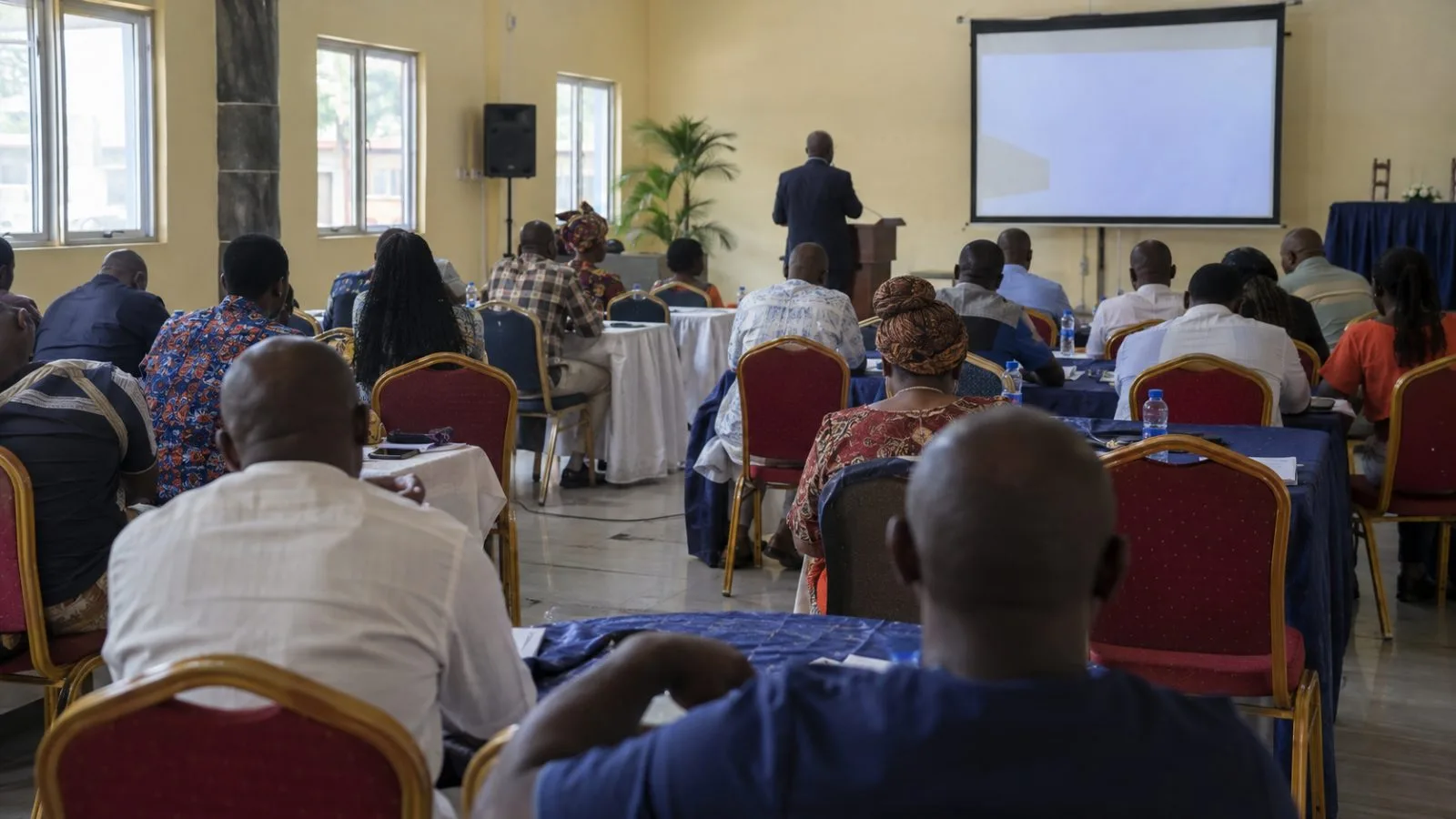
Pearl Ngwama, convener of the second JustNet Transport Summit, urged closer links among Nigeria’s transport modes as global oil and shipping shocks raise costs, BusinessDay reported from her opening address Friday, Oct. 23.
The gathering was held Oct. 23 at Providence Hotel in Ikeja’s GRA district. JustAlive Communications Limited organized the summit, whose announced theme covered mobility, energy and trade facilitation amid global disruptions.
The U.S. Energy Information Administration (EIA) said Brent crude spot averaged $114 per barrel in September 2026, an increase of $23 per barrel from August. The agency linked the rise to buyers seeking supplies after disruption to Saudi Arabia’s East-West pipeline.
Reuters reported that a planned late-November 2026 trip by the supertanker Esteem Explorer from the United States to Japan would cost $81 million. The vessel is expected to carry about two million barrels of crude. Reuters said the average charge for a comparable journey the year before was $9.1 million. The report said import-reliant countries face higher shipping bills, while tanker owners have benefited from increased rates.
Shipping data cover different places and measures. UN Trade and Development (UNCTAD) said Suez Canal tonnage was about 70% below its 2023 average by early May 2025. A later UNCTAD-hosted presentation citing Clarksons Research data put Gulf of Aden vessel transits 52% below the 2023 average in mid-March 2026. The figures do not establish one current shortfall across Red Sea routes.
BusinessDay reported that Ngwama said higher fuel, vessel and logistics costs could push up passenger fares and goods prices. She called for coordination among aviation, maritime, rail, road and inland-waterway services, and identified reliable energy, digital cargo tracking and predictable regulation as priorities, the outlet reported.
Nigeria’s Federal Ministry of Transportation lists an integrated, intermodal transport system among its goals. BusinessDay also reported that Ngwama argued stronger links could help Nigerian producers compete across the African Continental Free Trade Area (AfCFTA). The African Union says the trade area spans 55 countries and more than 1.3 billion people.
The EIA’s next Short-Term Energy Outlook is scheduled for Nov. 10, 2026.