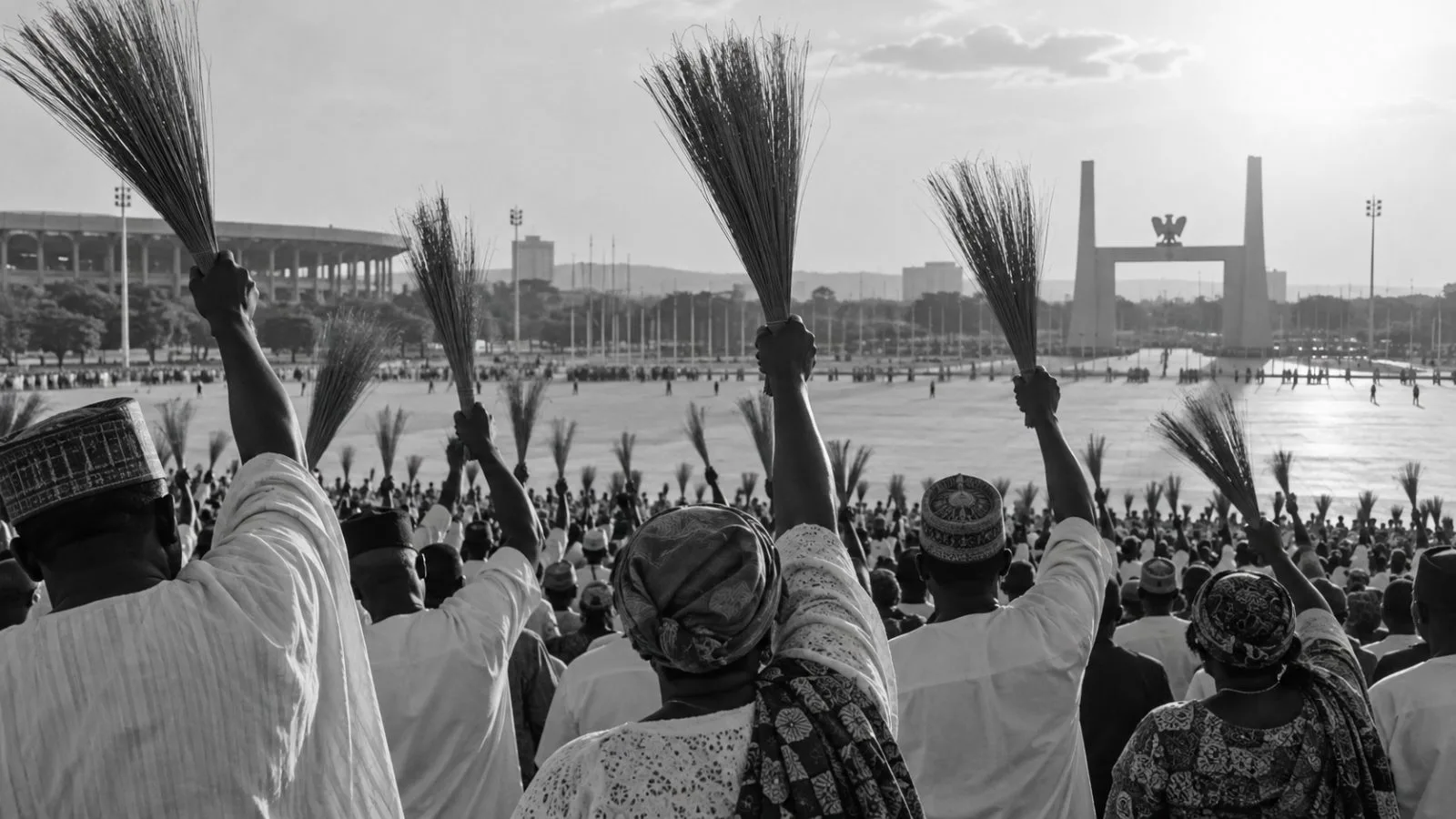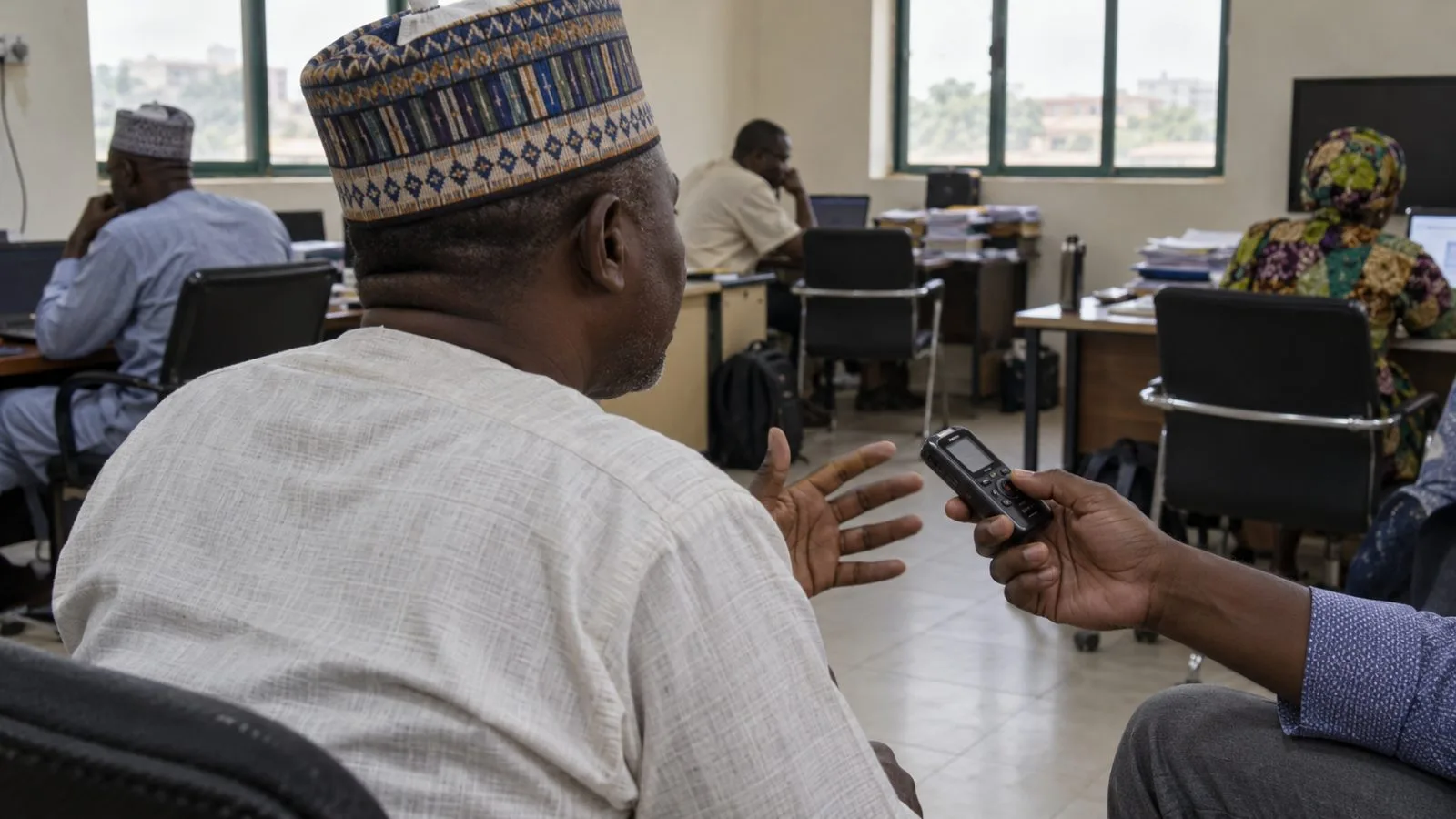
Nigerian parties preparing for the 2027 elections should explain how their programs would affect daily life, alongside naming campaign officials, columnist Dakuku Peterside argued in an opinion piece published Nov. 2 by Premium Times. He pressed parties to make their positions comparable on issues such as community safety, health care and employment.
President Bola Ahmed Tinubu inaugurated the All Progressives Congress’ (APC) Presidential Campaign Council on Oct. 14. APC National Chairman Prof. Nentawe Yilwatda said the campaign should show how government investment and reforms would improve daily life: “We must show Nigerians how this investment and reforms can translate into practical improvement in our daily lives.”
The State House account also records Imo Gov. Hope Uzodimma acknowledging that the reforms had brought hardship or inconvenience to Nigerians. Peterside’s column argues that incumbents should account for both the results they claim and the costs citizens have borne.
The opposition Nigeria Democratic Congress (NDC) has also named a campaign council, according to reports published Oct. 25 and Oct. 26. Those reports list Henry Seriake Dickson as chairman, presidential candidate Peter Obi as co-chairman, Rabiu Musa Kwankwaso as co-vice-chairman and Ibrahim Hussain Abdulkarim as director-general of the presidential campaign. The party described its planned effort as issue-based, according to the reports.
Some opposition platforms state measurable targets. The African Democratic Congress (ADC), for example, says on its website that it aims to create a $30 billion power-generation opportunity and 23,220 megawatts in its first two years by encouraging all 774 local governments to generate 30 MW each.
Peterside’s central question is how parties would carry out such pledges, fund them and account for the trade-offs. The INEC calendar currently schedules presidential and National Assembly voting for Jan. 16, 2027, and governorship and State House of Assembly voting for Feb. 6.