Nigeria’s B sovereign rating has a stable outlook, while new S&P research and BusinessDay reporting point to energy and financing risks that remain relevant across African markets.
On May 15, S&P Global Ratings upgraded Nigeria’s long-term sovereign ratings in foreign and local currencies to B from B-. The stable outlook applies to those ratings, rather than serving as an assessment of the country’s overall economic prospects.
In its Nov. 5 African Markets Quarterly listing, S&P described inflation as easing across African markets and cautioned that conditions could still bring a new shock. The listing’s title identifies financing and inflation as key regional risks.
In an interview published Nov. 13, Samira Mensah, S&P’s head of credit research for Africa, credited reforms, stronger public revenue and expanded refining capacity with helping Nigeria manage economic strains. “Despite all that, we have seen an improvement in macroeconomic stability, thanks to higher government revenues,” she told BusinessDay.
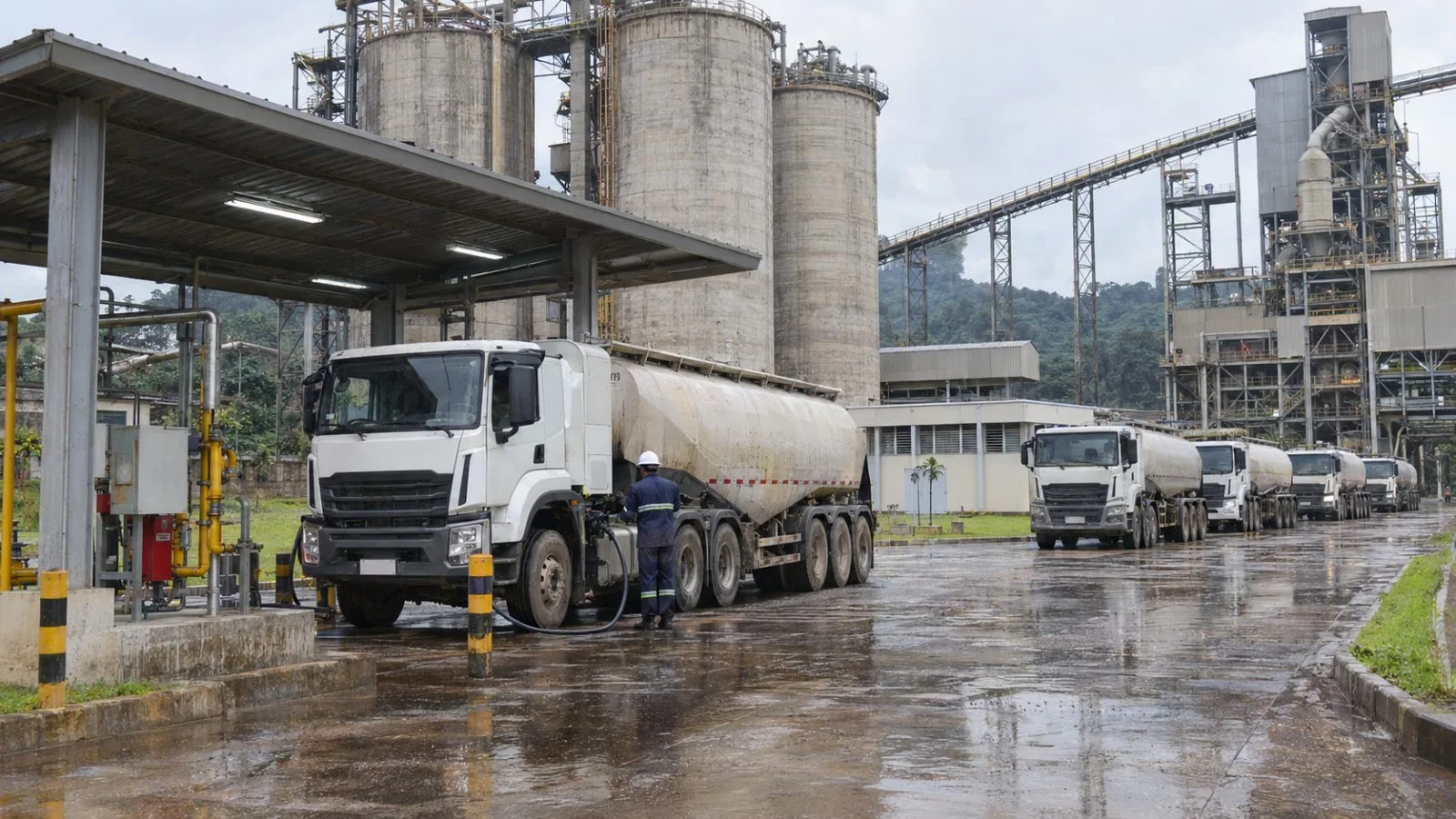
BusinessDay reported that an S&P review found Nigeria among the African markets with the largest diesel price increases from December 2025 through September 2026. The outlet said manufacturers, telecom operators, logistics providers and small businesses rely on generators when grid power is unreliable. Higher diesel costs can add to operating and delivery expenses, with some costs potentially reaching consumers, BusinessDay reported.
Mensah said public borrowing can influence liquidity and interest rates, as well as the funding available to private businesses. She also pointed to domestic refining as a buffer against interruptions to external energy supplies, BusinessDay reported.
The Central Bank of Nigeria set its monetary policy rate at 23% after its Sept. 21-22 meeting, down from 26.5% in July. The bank’s next policy meeting is scheduled for Nov. 23-24.