Nigeria’s opposition talks ahead of the 2027 elections are pairing plans for shared policy work with a possible joint presidential bid, but participants disagree on whether selecting one candidate is part of the negotiations.
That disagreement coincides with a broader debate over what voters should be asked to choose. The BusinessDay editorial board argued Oct. 23 that election campaigns risk emphasizing who holds office over what a government would do. It warned that voters could see a change in officeholders without measurable policy commitments, and urged candidates to publish costed programs with targets, timelines, responsible institutions and funding sources. The board also called for public reporting on progress.
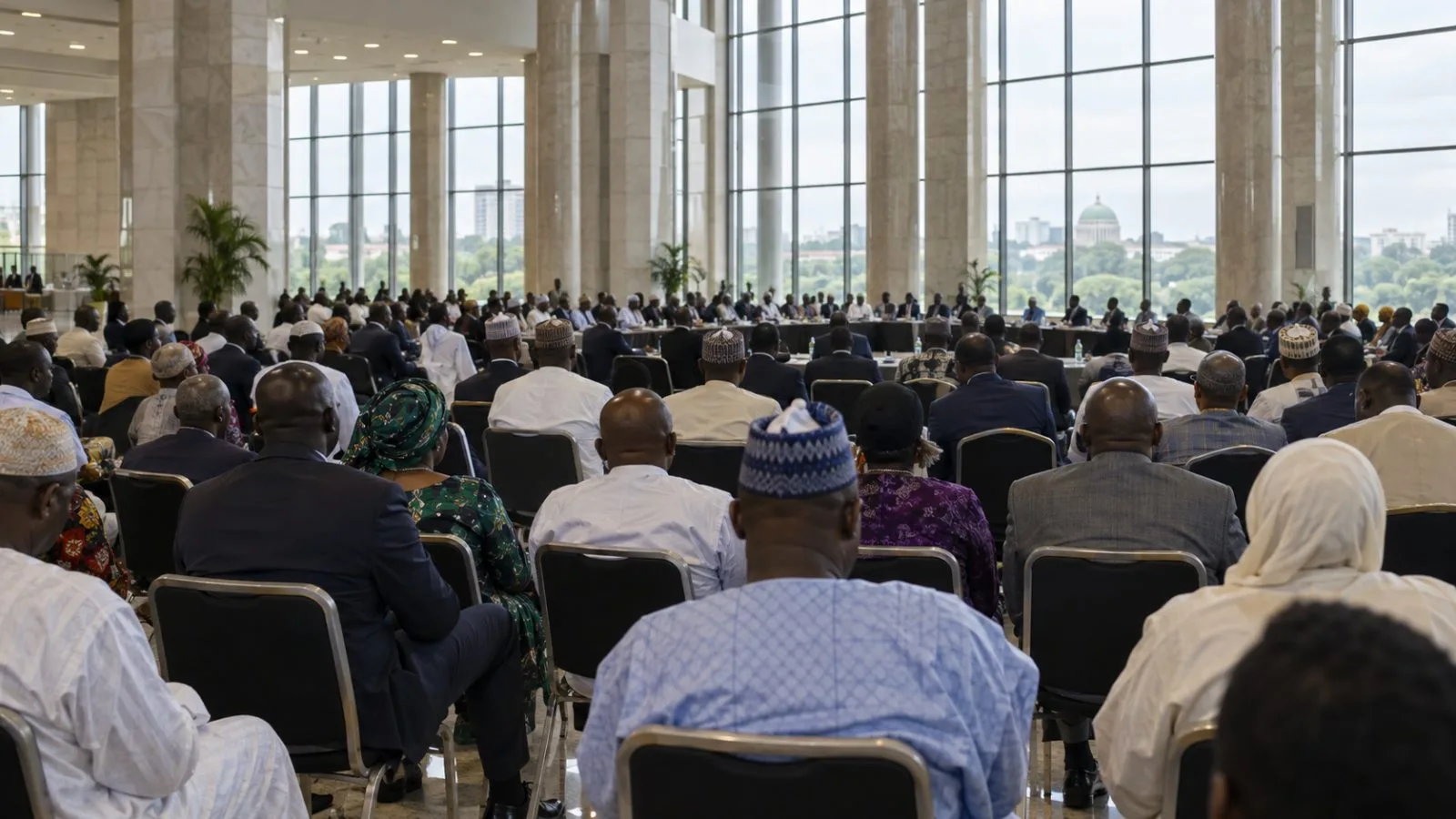
At an Aug. 31 opposition summit, five working groups were expected to prepare five documents within four weeks for discussion at a second summit, The Guardian reported. The proposed texts were the National Covenant for Democratic Renewal, Single-Term Transition Charter, National Reform Programme, Framework for Opposition Unity and Roadmap to a Common Presidential Candidate. The Guardian also reported that G100 convenor Salihu Mohammed Lukman urged parties to agree on rules and structures before negotiating positions. He summarized the approach as “Rules before outcomes. Table before seats.”
The African Democratic Congress (ADC) described its part in the discussions differently. National Publicity Secretary Bolaji Abdullahi told Premium Times in a telephone interview on Oct. 17 that the ADC’s discussions with opposition parties concerned electoral cooperation and were “not about a single presidential candidate.” In a Channels Television interview, Lukman said a G100 working group would develop options for a single consensus candidate.
The Associated Press has compared the present coalition effort with the 2015 opposition alliance that defeated Nigeria’s former ruling party after 16 years in power.
Nigeria’s Independent National Electoral Commission (INEC) currently schedules presidential and National Assembly elections for Jan. 16, 2027, followed by governorship and State House of Assembly elections on Feb. 6.