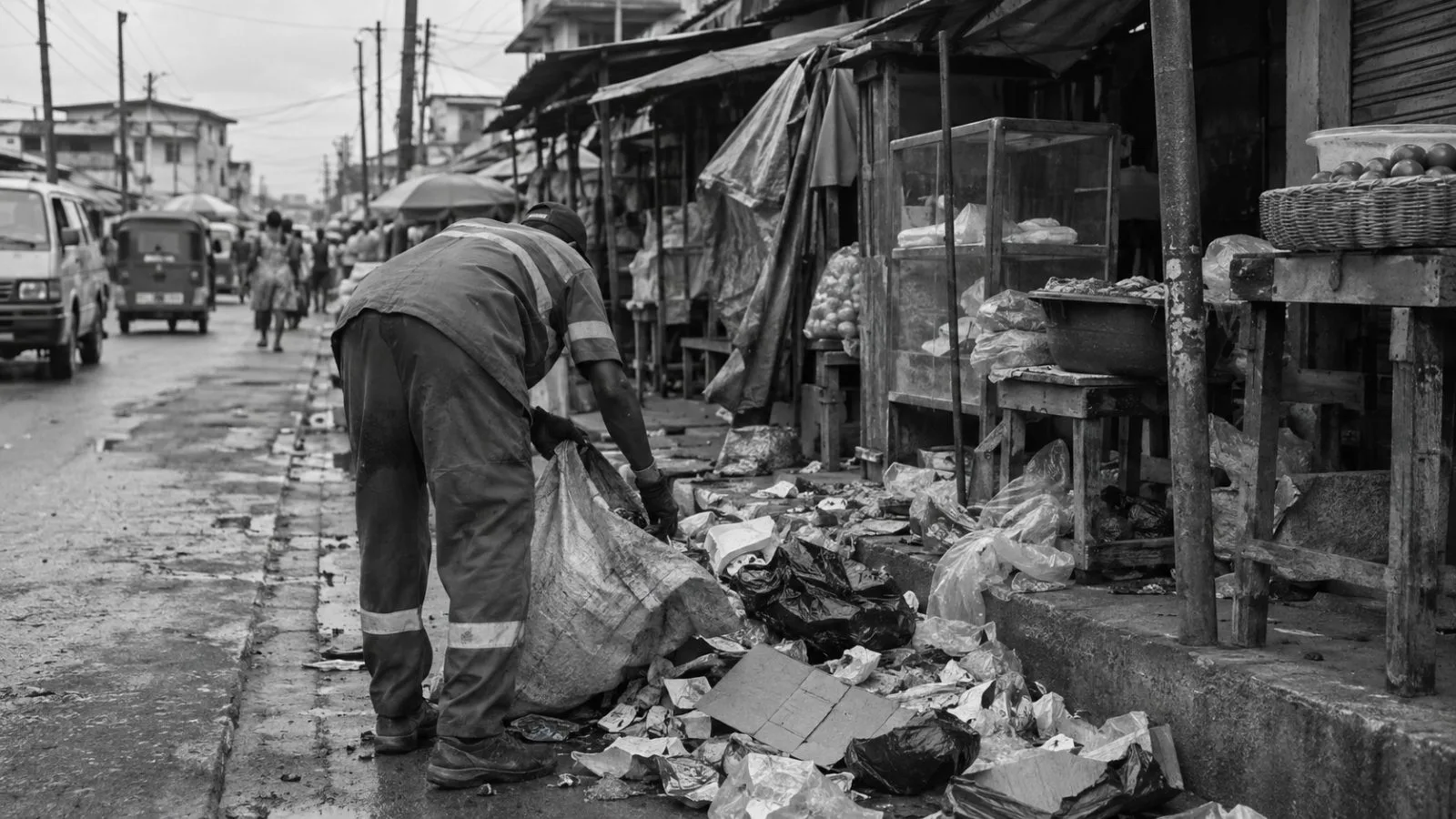
BusinessDay writer Duro Oni argued Tuesday that a move from plastic to paper would leave Nigeria's waste problem unresolved, pointing to refuse generated by daily consumer and commercial activity.
The Nov. 17 article identifies grocery shopping, food packaging and deliveries as activities that produce waste. Oni places them in households, markets and stores, as well as other businesses.
A South Korean study of drinking straws provides a narrower comparison of materials. Conventional plastic had the lowest environmental impact in 10 of 16 categories examined, as EconoTimes previously reported. The study modeled disposal using South Korean waste statistics, assuming that 73.6% of straws were incinerated and 26.4% went to landfills.
Those findings concern straws under the study's disposal assumptions. They do not measure Nigeria's waste or establish what a switch from plastic to paper would mean for it.