
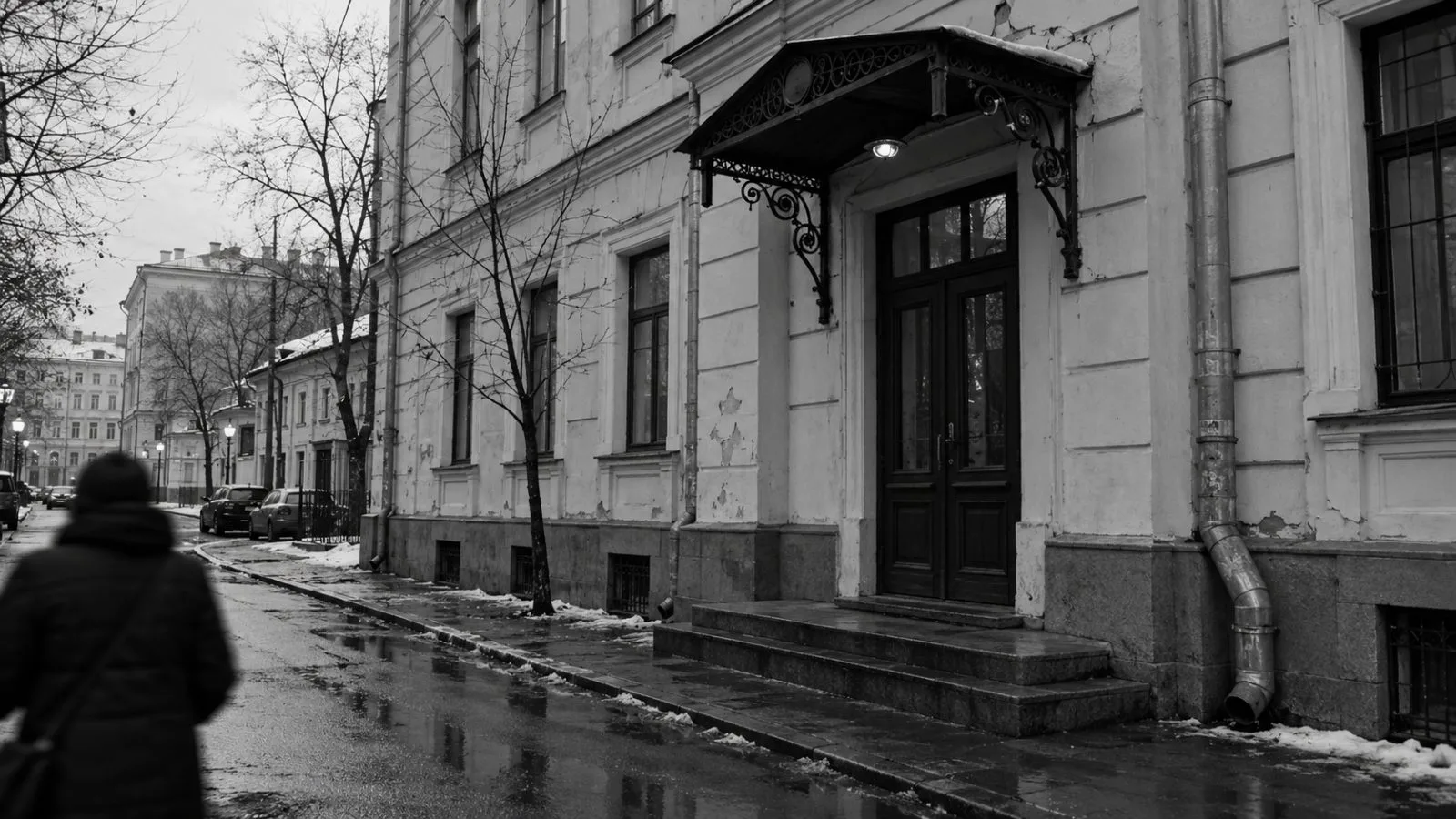
Novaya Gazeta staff left their longtime Moscow office Monday after a final editorial meeting, months after Russia listed its online publication as a foreign agent and editors accused authorities of forcing them to stop work.
Reports by the Associated Press and Novaya Gazeta Europe said employees left the Potapovsky Lane office on Nov. 9 after a final editorial meeting. EconoTimes previously covered the newspaper’s announced office departure.
In its Oct. 30 announcement, Novaya Gazeta said it had received an order to vacate as its online service for reader contributions was switched off. The editorial team accused Russian authorities and security services of bringing its work to a halt. The newspaper also said it planned one final issue, without giving a publication date.
Russia’s Ministry of Justice put the online publication Novaya Gazeta on the foreign-agent register Sept. 4. The ministry said the designation reflected the publication’s coverage of government policy and decisions, its position on the war in Ukraine, and its interactions with foreign agents.
Novaya Gazeta said more than 100 journalists and authors were included when the editorial team was designated. The ministry notice named the online publication. The paper described the Potapovsky Lane office as its base for 30 years, while Interfax reported that staff worked there for 29 years.
Its Oct. 30 statement also recalled blocked online resources, the revocation of its media registration and seizure of its printing press as earlier measures that had constrained the publication. Amnesty International warned that Russian readers would lose access to an independent investigative source; EconoTimes covered the rights group’s warning about the closure.
Kremlin spokesperson Dmitry Peskov disputed the suggestion that the closure marked the end of independent Russian media. Interfax and Novaya Gazeta Europe reported that he described media closures and replacements as “an ordinary, ordinary rotation process.” He said new outlets take the place of those that close.