The alleged foreign intelligence targeting of Nvidia’s chief raised concerns beyond technology because of his access to US policymakers, a Penn State University Homeland Security Program assistant teaching professor said.
Access to the executive could offer insight into senior officials’ thinking about China and chip restrictions, extending the potential stakes beyond the company’s commercial information.
In a CNA interview published Nov. 9, the academic described Nvidia’s investigation as a serious response to the allegations. “There’s a lot more to it and it’s not PR at all,” he said.
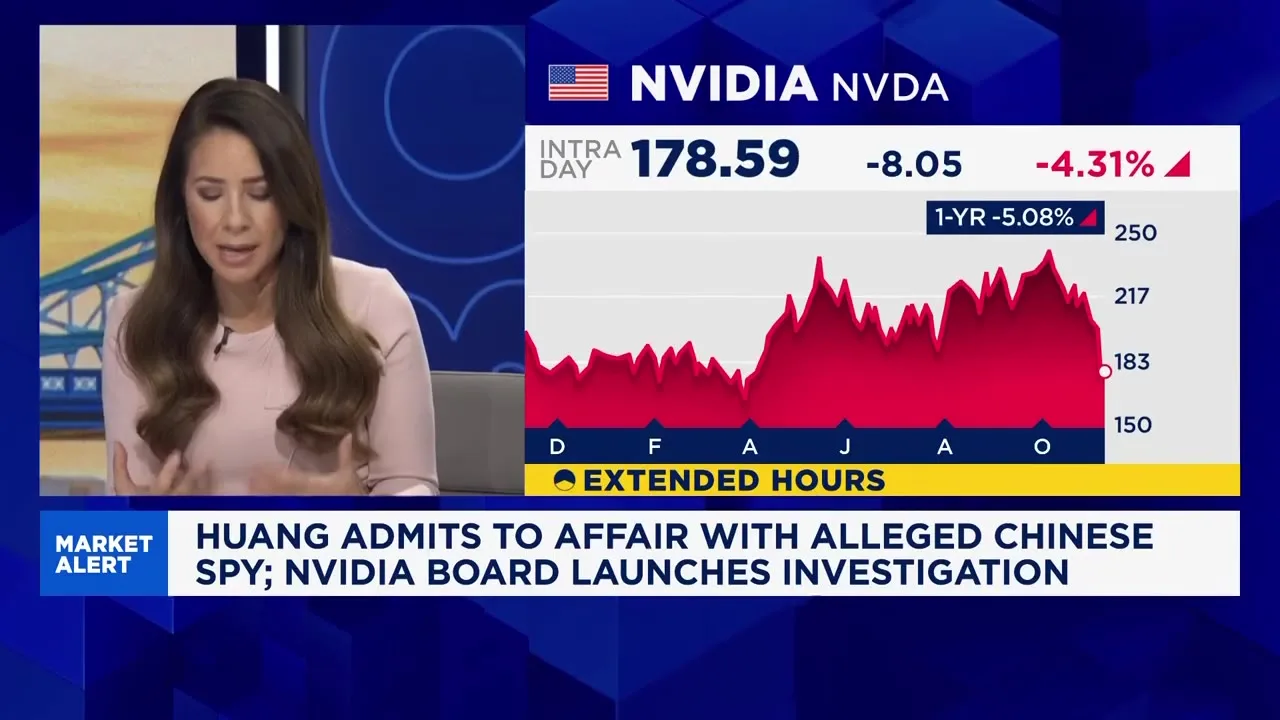
Nvidia announced an independent investigation after media allegations about chief executive Jensen Huang’s relationship with a suspected Chinese intelligence operative. A committee of independent directors, assisted by outside lawyers, will oversee the inquiry.
The company said Huang was supporting and cooperating with the investigation. It does not believe its secrets were compromised. China previously rejected the espionage allegations as groundless speculation.
The academic questioned what access the suspected operative might have gained and what information might have reached Beijing. The material allegedly passed to China has not been established in the account.
He described efforts to recruit people around a target as a way to gain access to the target’s contacts. In this case, that could include people close to the White House.
Information about the administration’s thinking could help Beijing understand prospective decisions on Nvidia technology. His assessment did not establish that anyone obtained such information through Huang.
Turning to romantic relationships used for intelligence gathering, he described cases in which relationships continued for years. Some involved marriage while one partner continued reporting to China’s Ministry of State Security.
He then drew a distinction between protecting government secrets and protecting commercial information. The allegations also involved possible efforts to influence policy toward China, complicating the question of how intelligence agencies should respond.
He suggested someone in the administration might have chosen public disclosure to disrupt the alleged operation without pursuing a legal case. He offered no evidence establishing who disclosed the information or why.
The discussion then turned to Mega Speed, the Singapore-based data centre company where the suspected operative had worked. The New York Times reported purchases of about $5 billion in Nvidia chips over two years.
Nvidia previously described its dealings with Mega Speed as routine and rejected chip-smuggling accusations. Mega Speed welcomed an investigation while declining to comment on what it called a media trial.
The academic expected closer scrutiny of Mega Speed and further US requests for Malaysian and Singaporean authorities to examine computing infrastructure. Those were his expectations, with no new enforcement action or timetable identified.