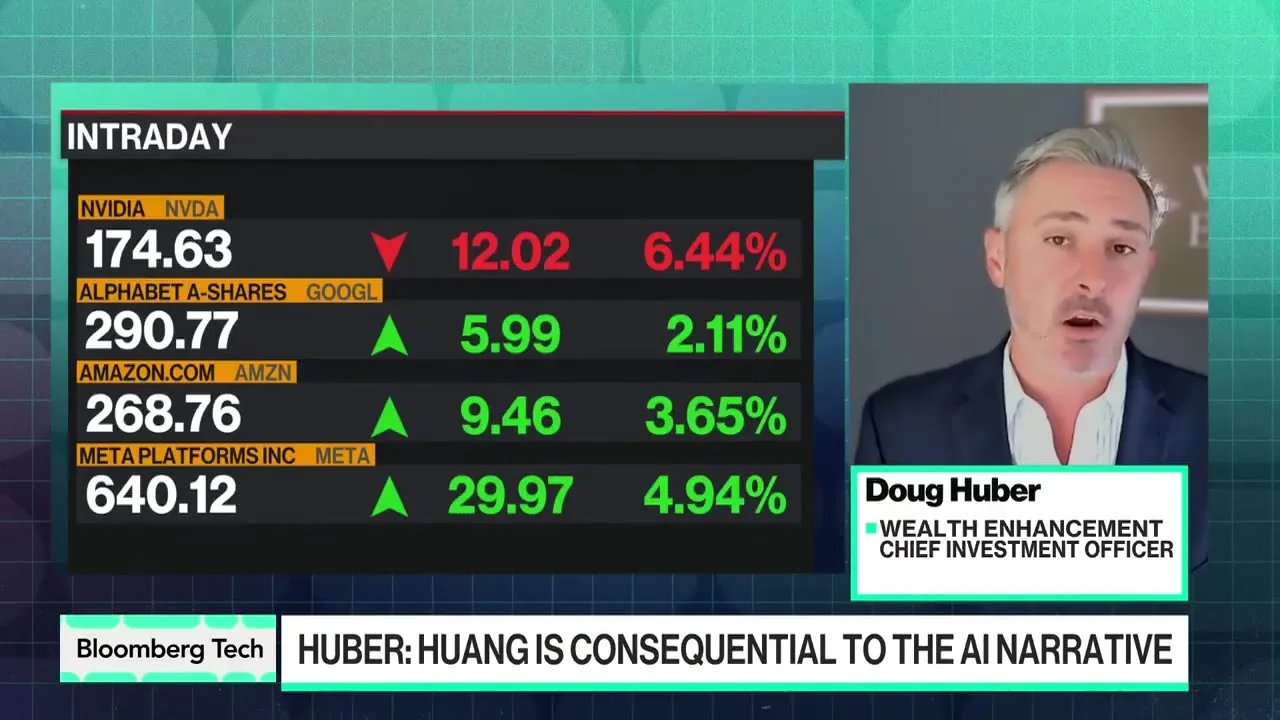
Nvidia faced an independent board investigation amid scrutiny of its efforts to loosen U.S. restrictions on artificial intelligence chip sales to China, Bloomberg Television reported in a broadcast published Nov. 9.
The scrutiny puts the company’s influence in Washington in question after it secured changes allowing some chips to reach China. Opposition to easing those controls spans both major U.S. political parties.
Jensen Huang, Nvidia’s chief executive officer, cultivated close ties with President Donald Trump and pressed his administration to reconsider restrictions on the company’s business.
Nvidia occupies a central position in artificial intelligence because its graphics processing units, chips originally designed for gaming, also proved efficient at training and running AI models.
That technology supports software development at businesses including OpenAI and Anthropic. Nvidia also provides financing to specialist cloud computing companies such as CoreWeave, extending its connections beyond chip sales.
Financing arrangements link Nvidia with customers and other partners across the industry. Those relationships make the company’s position relevant to businesses that depend on both its computing technology and its financial support.
The administration reconsidered export controls after Trump returned to office in early 2025. Huang used that opportunity to press for a different approach to sales to China.
The restrictions sought to prevent China from using advanced AI chips to gain military or economic advantages. They also limited Nvidia’s access to the Chinese market.
Huang persuaded Trump to roll back restrictions on some chips at the end of last year. Efforts to change U.S. policy toward China have formed part of his work as chief executive.
Democrats and Republicans have opposed such changes on national security grounds. That opposition has continued alongside Huang’s efforts to build support within the administration.
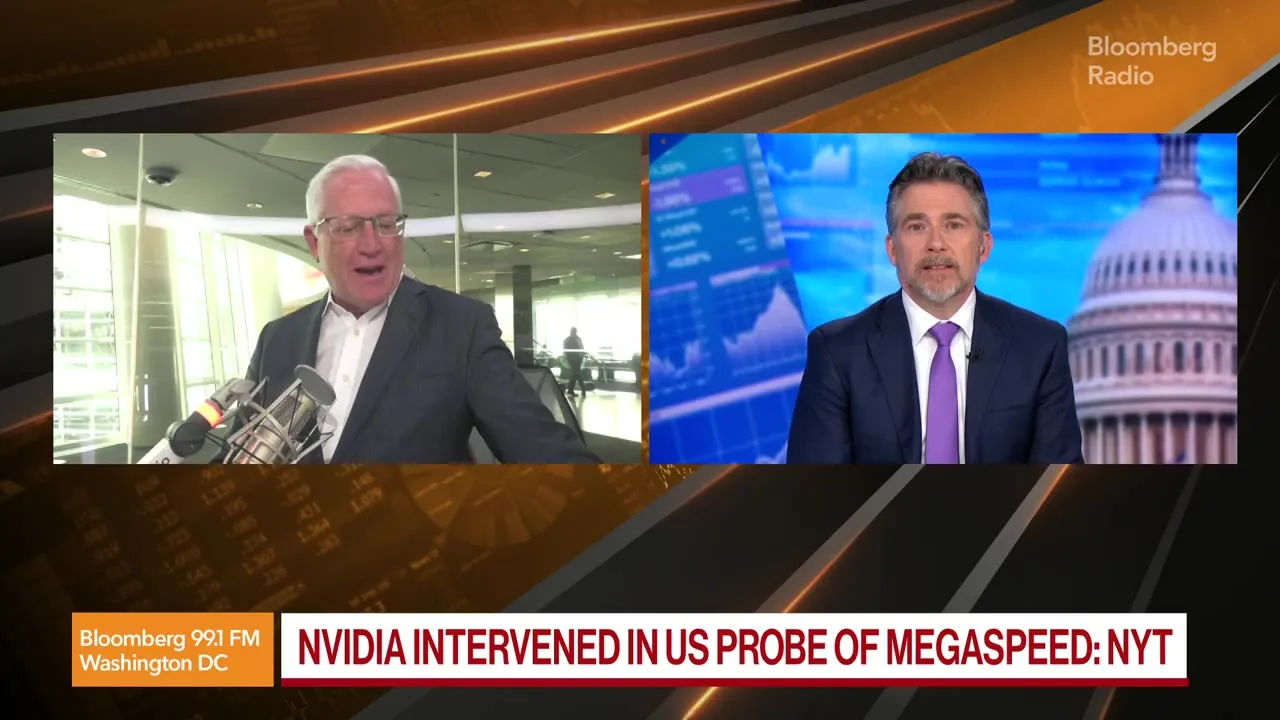
The New York Times reported that a U.S. investigation into Megaspeed stopped after Nvidia intervened. The supplied account did not establish the White House’s role or explain the circumstances of that decision.
Google announced plans that day to introduce a new version of its tensor processing units, its own chips for AI computing. The company aims to win business in a market where Nvidia holds an advantage.
Nvidia’s chips retain an edge in computing efficiency and power. Its market position has also helped support its influence in Washington.
The board investigation leaves questions about Huang and the company’s lobbying unanswered. The account gave no timetable for the inquiry, detailed findings or explanation of what the board would investigate.