Nvidia’s next leader would ideally come from inside the company, but he hoped to stay another 20 years if his health and performance allowed, Nvidia Chief Executive Jensen Huang said.
Huang gave no succession timetable or preferred candidate in Bloomberg Television’s “Jensen Huang on AI Optimism and Nvidia’s Next CEO,” published Nov. 13. He said family members would have to earn the job if they wanted it.
Huang first defended his optimism about artificial intelligence, saying he was working to develop technology to keep the industry safe and secure. Optimism needed to go alongside efforts to prevent harmful outcomes.
“Don’t just deliver the bad news. Tell me what you are going to do about it,” he said. He was comfortable pursuing an optimistic future provided that work also included safeguards.
Turning to management, Huang said his approach had enabled the company to grow and innovate. He wanted an organisation with as few divisions operating in isolation as possible, because rigid structures made adapting to change difficult.
A modern company needed greater flexibility and less structure. Its leader also needed to stay mentally flexible, take responsibility and maintain high standards and expectations.
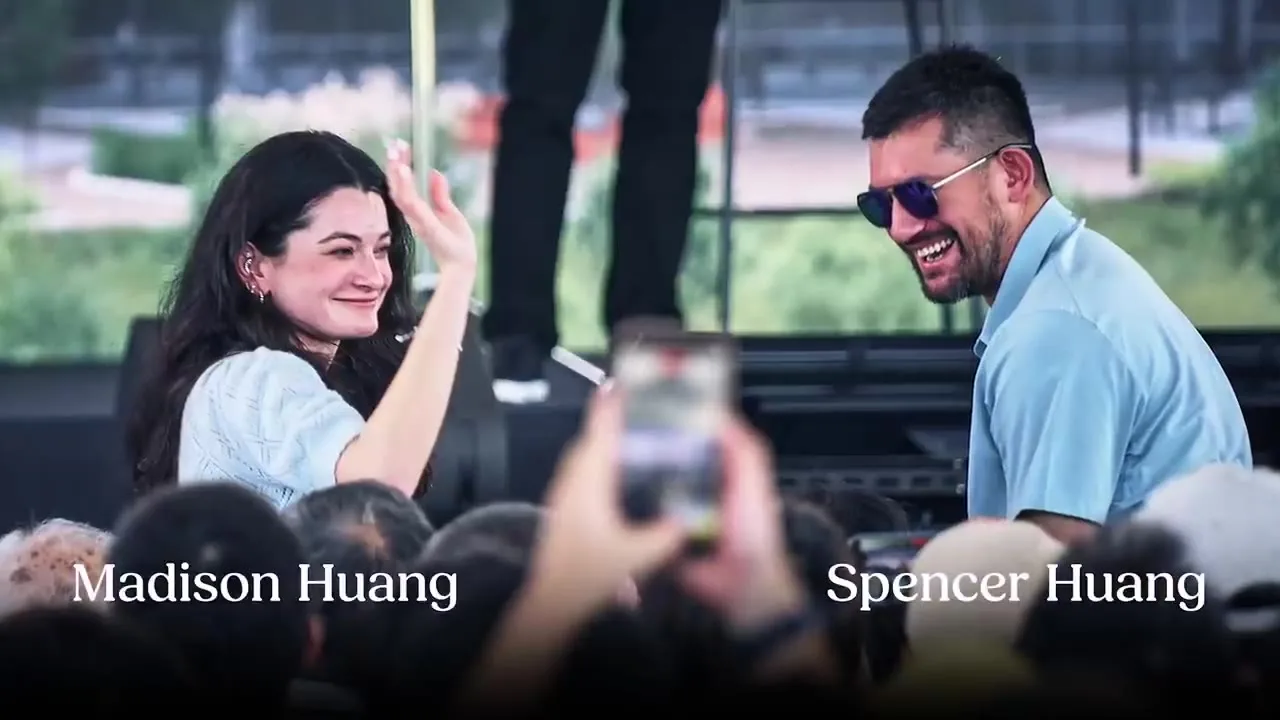
Asked whether his daughter was in line to succeed him, Huang said Spencer and Madison would have to earn the position if that was their ambition. He described the work as difficult and demanding personal sacrifice.
He said the responsibilities extended beyond his own family to other families and an entire industry. The pressure should be high, and the position should never be taken for granted.
Huang said he had not understood the full scale of those responsibilities when he took the job. People close to him could now see what it required and judge whether they wanted that level of sacrifice.
“I’m really hoping that the next CEO of the company is already at the company,” he said. His wish to stay depended on remaining healthy and continuing to earn his place.
Huang said he did not know what challenges the next generation of leaders would face. His responsibility was to create conditions for the business to thrive, its leaders to develop and a successor to emerge internally.
“Just as I can be fired, the next CEO has to be hired,” he said. He favoured keeping leaders accountable for their positions and continually working to improve. He did not identify who might eventually take over.