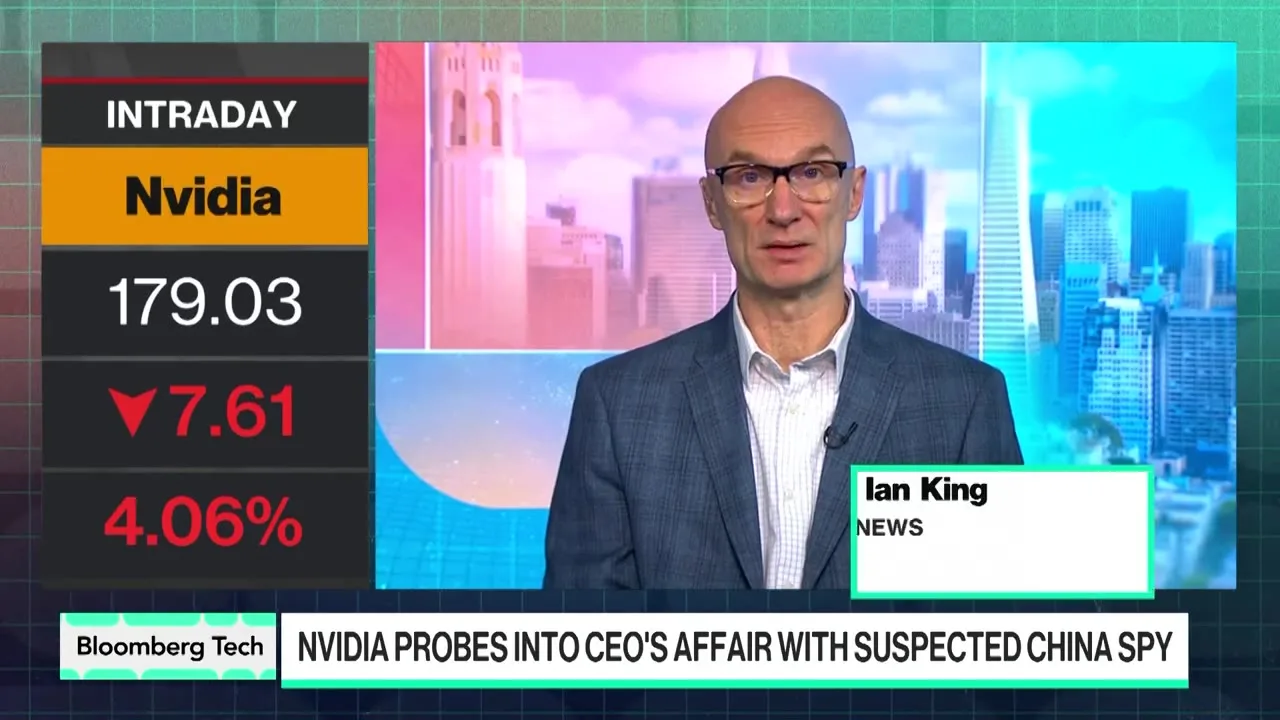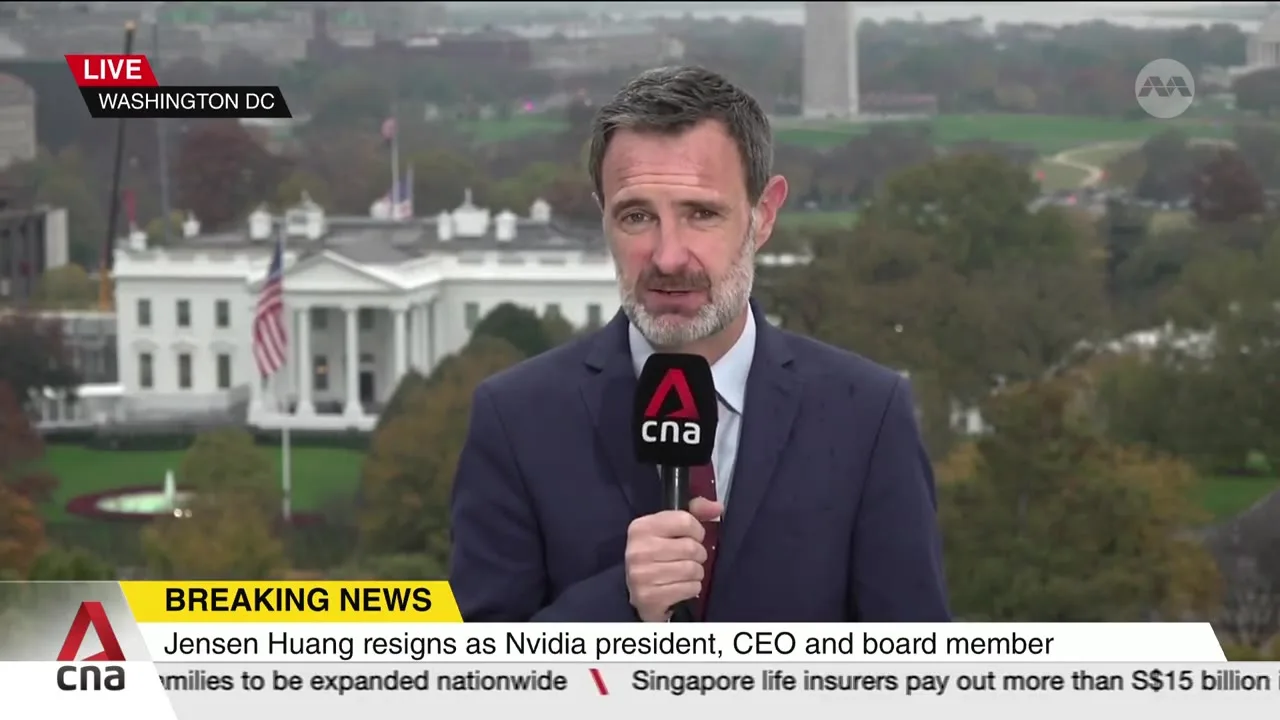
Jensen Huang resigned as Nvidia's president, chief executive and board member while directors were considering his removal, with the company naming its finance chief as interim successor, CNA reported.
The company said its chief financial officer would take over while it searched for a permanent replacement. The departure ended Huang's roughly 30 years as the company's public face.
CNA's Singapore Tonight carried the news in a broadcast published Nov. 12. The announcement followed mounting pressure over reports alleging Huang had an affair with a Chinese businesswoman whom U.S. authorities suspected of spying for China.
Directors met late Wednesday to consider Huang's future. His departure became public early Thursday, before the board could resume discussions that had been expected to continue that day.
The announcement came at about 6 a.m. on the U.S. West Coast, where Nvidia is based, and about 9 a.m. on the East Coast. That put the leadership change before the opening of regular trading.
The immediate succession arrangement left the permanent leadership of Nvidia undecided. The company was looking for a successor while its finance chief assumed responsibility for running the business.
The allegations also prompted demands in Congress for answers about Huang's relationship with the woman and the company's handling of potential security risks. Lawmakers wanted him to testify in a closed-door hearing.
They sought an account of what Huang knew about the relationship and what safeguards Nvidia had put in place. Whether the relationship had led to a breach of national security remained unresolved.
The security concerns centred on powerful artificial intelligence chips and their possible movement to China. The U.S. government had imposed export restrictions on those chips amid concerns about China's access to the technology.
The leadership change also followed Huang's efforts to preserve Nvidia's access to the Chinese market. The consequences of his departure for U.S. chip export policy remained unclear.
U.S. President Donald Trump had backed Huang during the previous day despite the affair allegation. He called him an “honorable man.” The two had close ties, and Huang had accompanied Trump on overseas business trips aboard Air Force One.
A White House response to the resignation was still pending. The change in leadership left unanswered the questions lawmakers had raised about the relationship, the company's safeguards and whether restricted technology had reached China.