OCBC Group Research said in a Nov. 16 note that U.S. Treasury yields, dollar strength and expectations of further Federal Reserve tightening were pressuring precious metals, testing gold's demand support.
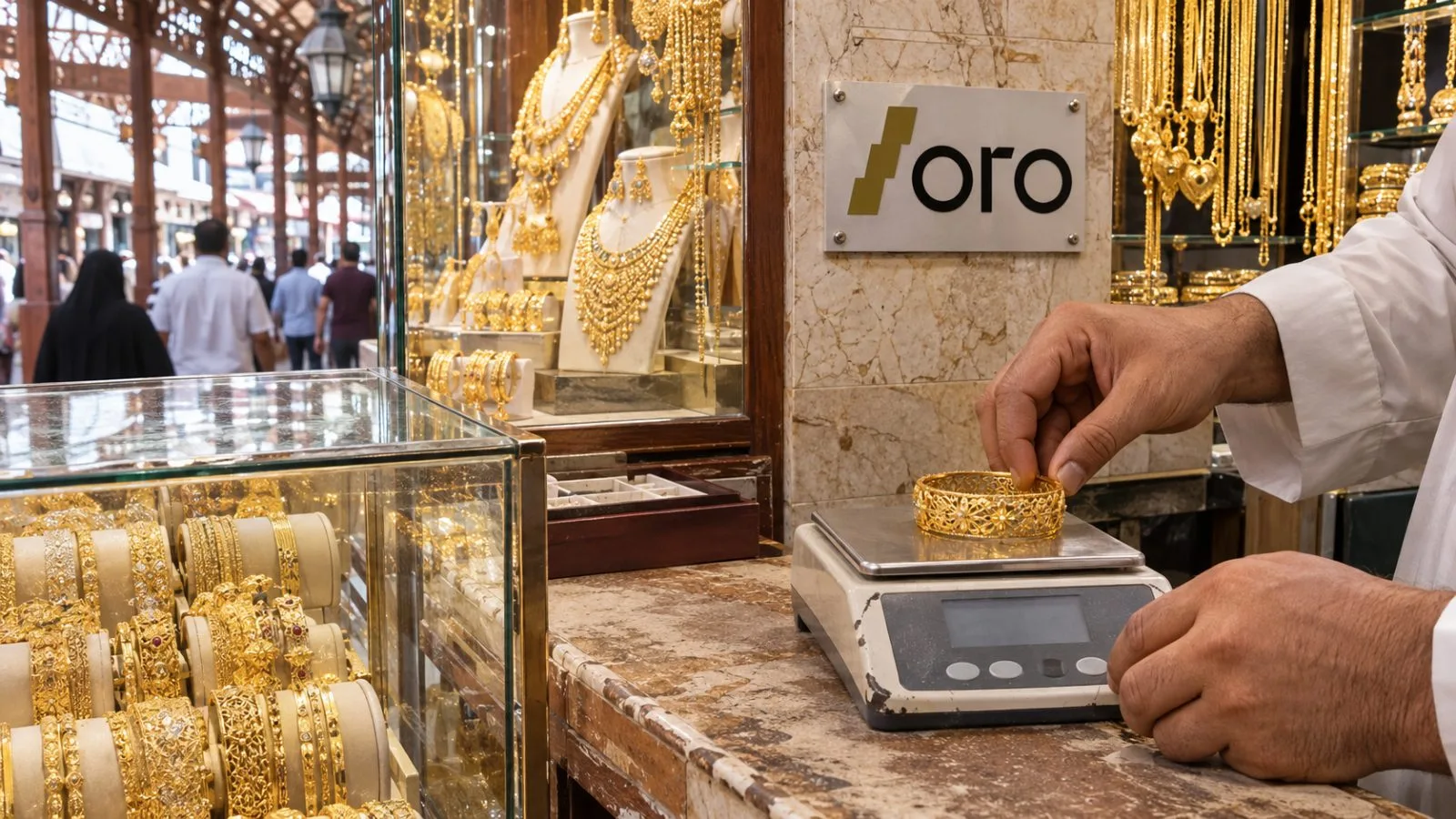
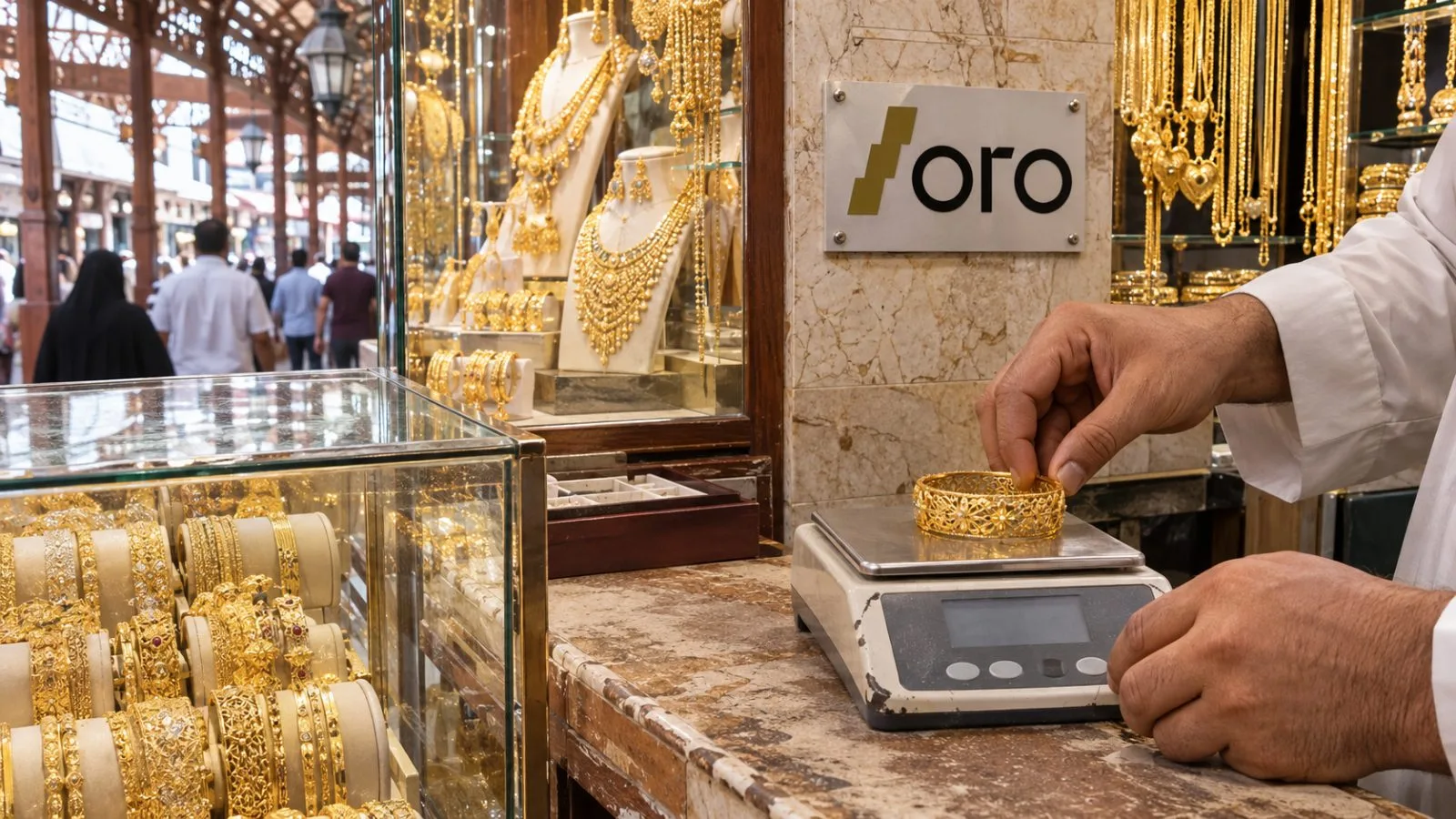
Those headwinds come alongside sharply different responses to high gold prices. Jewelry demand fell 17% to 313 metric tons in the third quarter of 2026, the World Gold Council said. Central banks and other official institutions bought a net 321 metric tons, 42% above a year earlier, while gold exchange-traded funds added 211 metric tons.
The council cited reserve diversification and risk management as drivers of official buying.
In a separate Nov. 2 note, OCBC maintained a constructive medium-term view of gold and identified official buying and investment flows as support. The bank said moderating dollar strength and yields could improve conditions for gold in 2027. Restrictive U.S. rates remained a near-term obstacle in its assessment.
The Federal Reserve held its target rate at 3.75% to 4% on Oct. 28 and said inflation remained elevated. That decision provides the U.S. policy backdrop for OCBC's warning about yields, the dollar and expectations of further tightening.
Silver shows how a supply deficit can coexist with weaker demand. The Silver Institute projects a 35 million-ounce shortfall in 2026, the sixth consecutive annual deficit, but expects total silver demand to fall 5% from 2025 to 1.08 billion ounces. It attributes lower solar-cell use to manufacturers using less silver or replacing it with other materials.
OCBC cautioned in its Nov. 16 note that the narrower deficit may not be enough on its own to sustain another silver rally. The Federal Reserve's next scheduled policy meeting is Dec. 8-9.