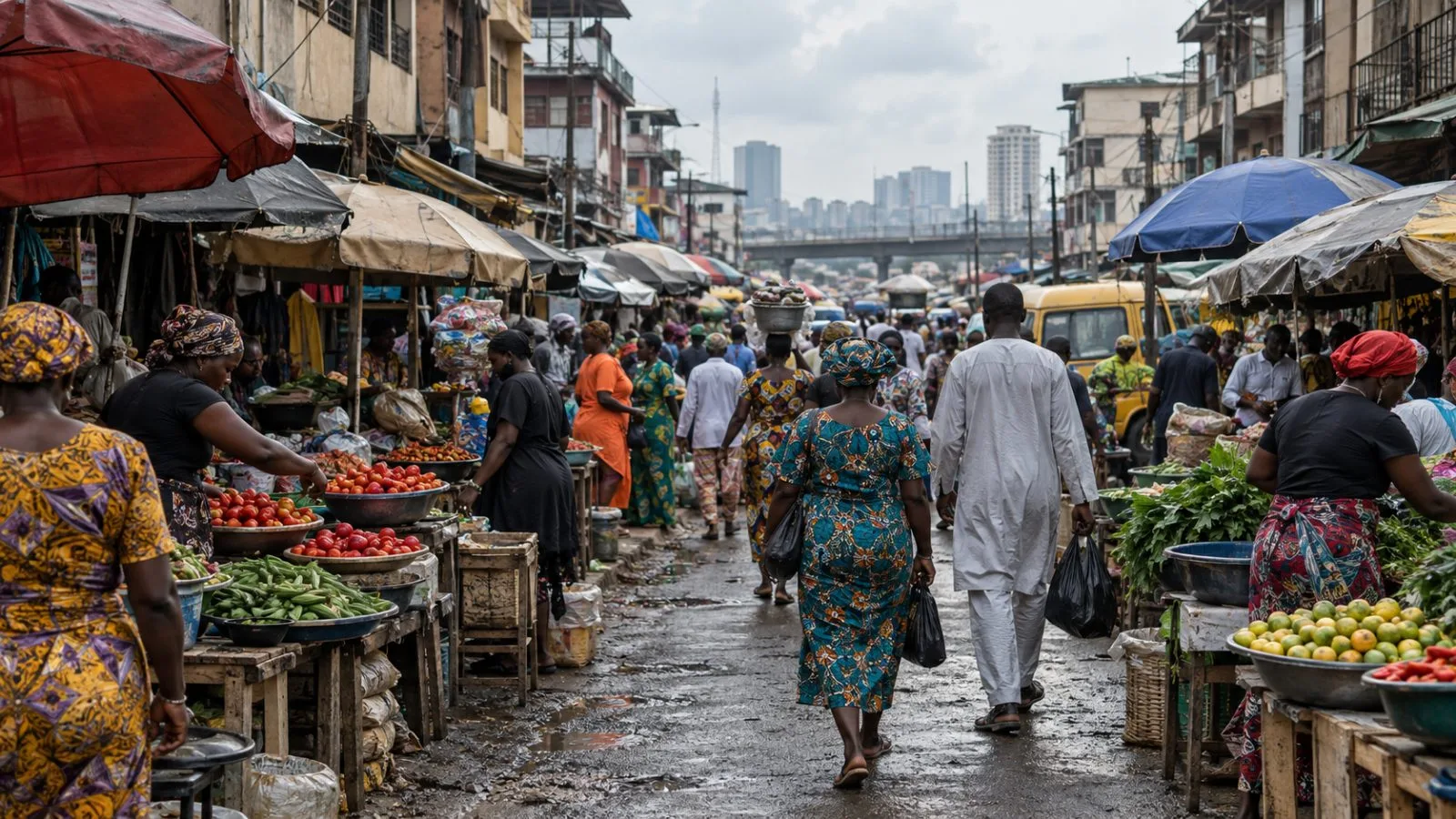
Speakers at a Lagos lecture urged planners to protect livelihoods as Africa’s urban population is projected to grow from 717 million in 2020 to about 1.4 billion by 2050.
A 2025 report by the Organisation for Economic Co-operation and Development, the African Development Bank, Cities Alliance and United Cities and Local Governments of Africa projects the increase. The scale of the change puts questions about how cities are planned alongside the population outlook.
Dr. Stephen Ajadi delivered the third public lecture of the Professor Akinlawon Ladipo Mabogunje Foundation on Tuesday, Oct. 20. The University of Lagos said the event, titled “Palimpsest and Provenance: The Identity and Trajectory of the African City,” examined African-led development and indigenous knowledge.
The university’s recap says Ajadi argued that planning should take account of African social and economic systems. He pointed to land tenure, settlement patterns, markets and local institutions, and challenged accounts that place the beginning of African urban development under colonial rule. The recap also says he discussed how colonial rule changed governance structures and local economies.
Former Ondo State governor Dr. Olusegun Mimiko chaired the lecture and urged planners to consider how their decisions affect people’s livelihoods, according to the university. Ajadi cited community engagement projects in northern Nigeria that sought to improve existing markets while maintaining public safety and avoiding harm to traders and other residents who rely on them.
Professor Folasade Ogunsola, University of Lagos vice-chancellor and chair of the foundation’s Board of Trustees, said urban growth should be assessed by the economic and social benefits it brings, the university reported.
A 2021 human settlements pathway authored by the Marrakech Partnership estimates that 40% of the buildings and 75% of the infrastructure expected worldwide in 2050 have yet to be built. The pathway’s footnotes attribute the building estimate to Carbon Trust and the infrastructure estimate to Global Infrastructure Basel. It also projects about 200 billion square meters of additional building floor space by 2050, mostly in Africa and Asia.