Ritholtz.com’s Oct. 28 “10 Wednesday AM Reads” roundup drew attention to U.S. housing affordability and corporate borrowing, alongside an unusual stock-market pattern and Chinese electric cars available in Mexico.
A Barron’s item in the roundup said the 30-year fixed mortgage rate reached 7.4% on Oct. 8, its highest point since November 2023. The figure was more than a percentage point above the rate a year earlier. The item recalled U.S. homeownership’s sharp rise in the 1940s and 1950s, while saying high home prices and borrowing costs now threaten ownership for more people.
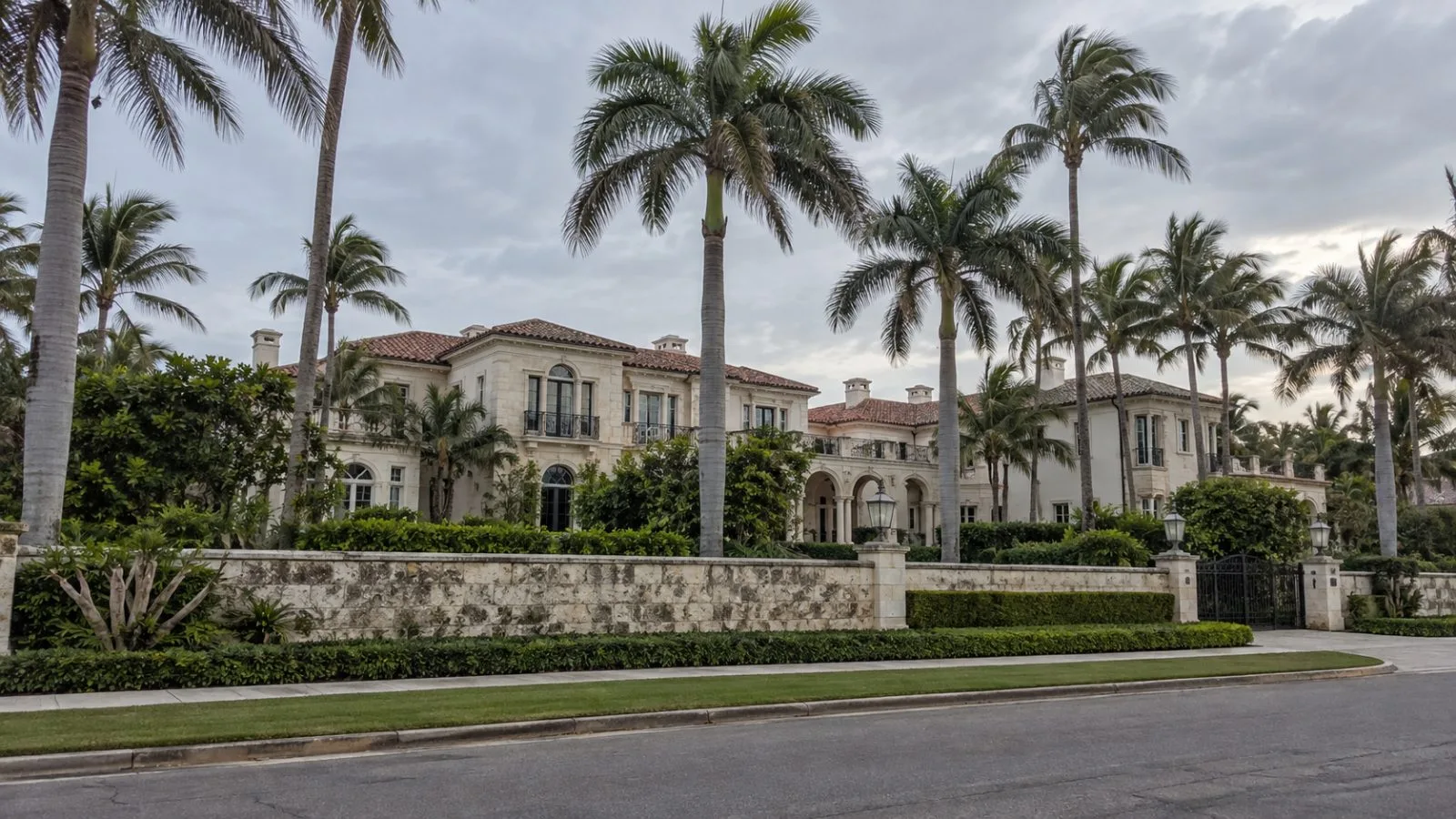
That appeared alongside an account of the other end of the housing market. A Wall Street Journal report cited by the roundup described wealthy buyers purchasing $100 million mansions with demolition in mind. It cited William Lauder’s $155 million purchase of Rush Limbaugh’s Palm Beach estate in March 2023; the 24,000-square-foot house included a Versailles-style salon and a Biltmore-style library.
Corporate debt was another focus. The Wall Street Journal estimated about $300 billion in debt over private-equity-backed companies, with software firms making up roughly a third of risky corporate loans due in 2028 and 2029. Financial Times Alphaville separately examined pressure on credit hedge funds that had bet heavily on junk bonds.
RealClearMarkets’ commentary pointed to an unusual equity pattern: over three years, junk stocks outperformed quality shares by an unprecedented margin. It said quality stocks usually lead, making the recent reversal a warning sign.
The roundup also cited a Washington Post report on Chinese-brand electric vehicles available in Mexico but unavailable to U.S. consumers, adding a cross-border angle to its coverage of housing, credit and equities.