Oil futures were lower in two early Monday readings as traders tracked possible U.S.-Iran diplomacy and attacks on Gulf shipping, with a later quote panel showing steeper losses than Reuters’ earlier snapshot.
At about 11:30 p.m. ET Nov. 1 (04:30 UTC Nov. 2), a live quote panel on Investing.com’s page carrying a Reuters market report displayed Brent crude futures at $109.68 a barrel, down 3.31%, and U.S. West Texas Intermediate (WTI) at $100.65, down 3.33%. The panel did not show an exact tick time or contract months, so the figures are a page reading rather than a confirmed closing move.
Reuters’ earlier time-stamped snapshot, at 7:11 p.m. ET Nov. 1 (00:11 UTC Nov. 2), put Brent at $111.84, down $1.59, or 1.40%, and WTI at $102.56, down $1.56, or 1.50%. Reuters said diplomatic hopes and a pullback after recent gains contributed to the earlier decline. Brent finished October at a six-month high, Reuters reported.
U.S. President Donald Trump told reporters Oct. 31 that negotiations with Iran were “going fine” and the United States was “not in that much of a hurry.” KCM Trade chief market analyst Tim Waterer told Reuters that diplomacy had eased some near-term pressure on prices as the market corrected after recent gains.
Axios, citing one U.S. source and one Israeli source, reported that Trump wanted negotiations to continue while Israeli Prime Minister Benjamin Netanyahu pressed for strikes after the Nov. 3 U.S. midterm elections. Axios said the White House and Netanyahu’s office declined to comment.
Iranian Foreign Minister Abbas Araghchi said consultations with Qatari mediators were continuing. His official Telegram channel said Tehran had no plan for direct talks with a U.S. delegation and described a proposal in which U.S. steps would come first, followed by reopening the Strait of Hormuz on the second day.
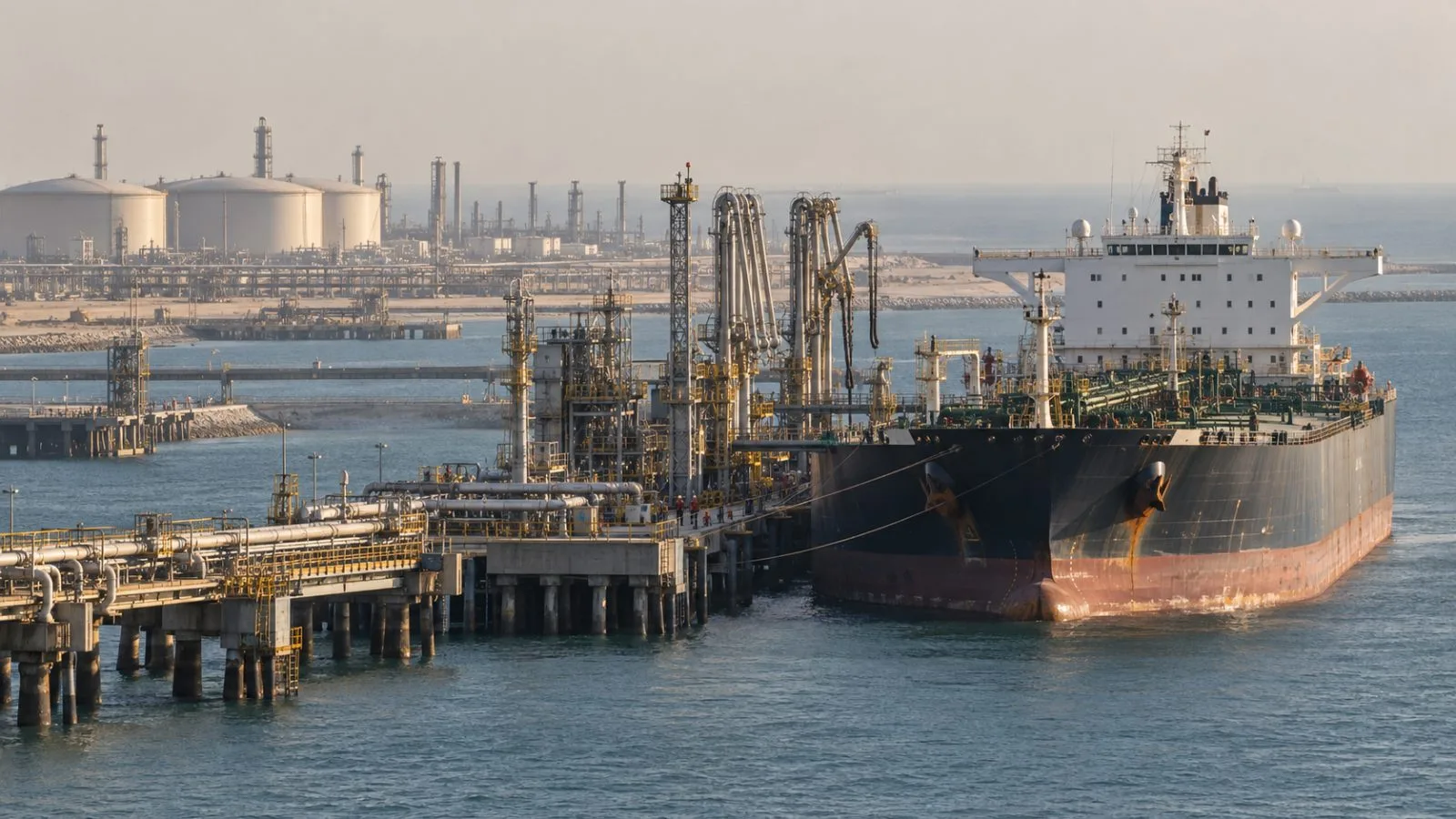
Qatar’s Ministry of Foreign Affairs said the LNG carrier Al Mayeda, owned by Qatar Gas Transport Company Limited (Nakilat), was attacked while sailing in the Arabian Gulf. The ministry said authorities were investigating how the attack occurred and who was responsible. It warned that attacks on energy carriers threatened global energy supplies and the wider economy. Reuters reported that tanker attacks in the Strait of Hormuz were adding to global energy and shipping costs.
OPEC said Saudi Arabia, Russia, Iraq, Kuwait, Kazakhstan, Algeria and Oman would keep December 2026 production at the required levels set for September. The seven countries are scheduled to meet again Nov. 29.