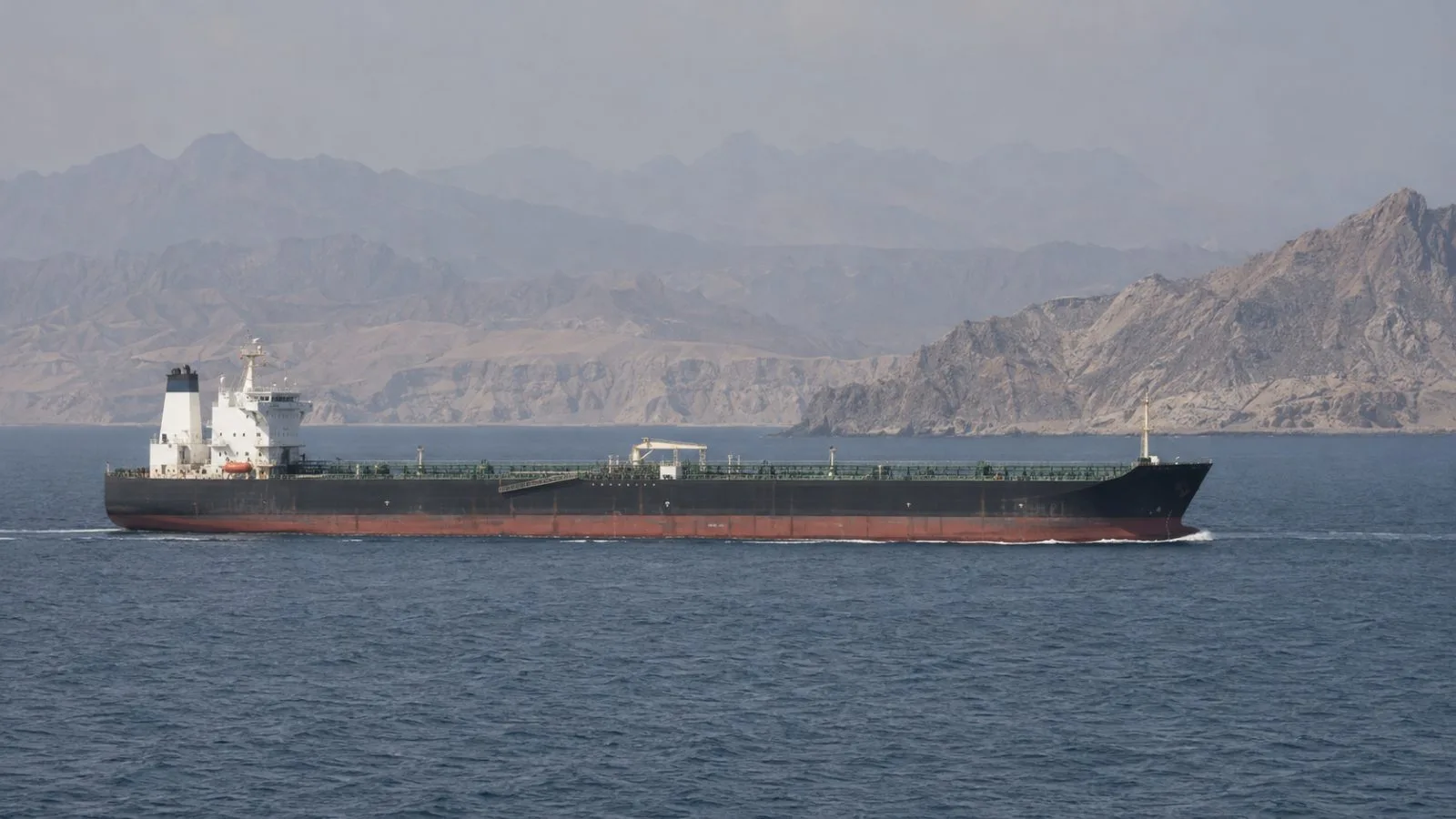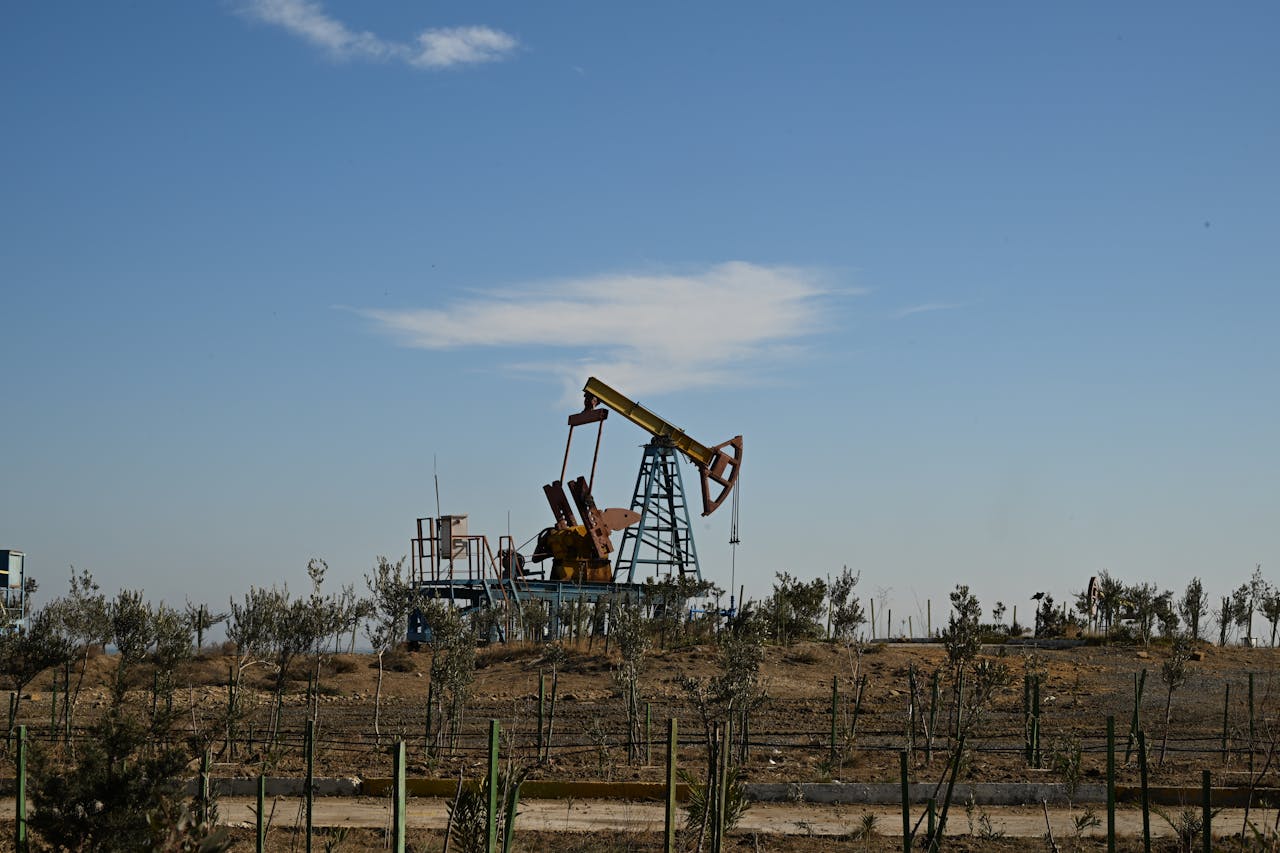
Global oil prices were on course for a weekly loss on Friday after U.S. President Donald Trump granted Iran a 10-day extension before threatening to strike its energy infrastructure, offering markets a brief reprieve — though analysts warn the relief may be short-lived.
Brent crude dipped slightly to $107.97 per barrel, while U.S. West Texas Intermediate (WTI) fell to $94.08 per barrel in early Friday trading. Despite these marginal declines, both benchmarks have surged dramatically since the United States and Israel launched coordinated strikes on Iran on February 28 — WTI is up roughly 40% and Brent has climbed more than 48% since hostilities began.
For the week, however, WTI dropped 4.6% and Brent fell 4%, reflecting cautious optimism around de-escalation talks. Trump has pushed his April 6 deadline for Iran to reopen the strategically critical Strait of Hormuz, while simultaneously deploying thousands of additional troops to the Middle East and reportedly considering military action to seize Iran's Kharg Island oil hub. Iran rejected a 15-point U.S. peace proposal, calling it "one-sided and unfair."
Commodity analyst Priyanka Sachdeva of Phillip Nova noted that markets are pricing in war duration rather than reacting to diplomatic headlines, warning that any damage to oil infrastructure could trigger a rapid price spike.
The ongoing conflict has removed approximately 11 million barrels per day from global supply — a disruption the International Energy Agency has called more severe than the 1970s oil shocks and the Russia-Ukraine gas crisis combined. Asian economies are already drawing down strategic reserves to manage the strain.
Macquarie Group analysts project prices could surge past $200 per barrel if the war extends into late June, while an early resolution could bring a rapid price correction back toward pre-war levels.