Oil prices experienced dramatic volatility during early Asian trading on Monday, fluctuating sharply but holding near recent highs as geopolitical tensions between the United States and Iran continued to escalate. Brent crude futures briefly surged as much as 2%, reaching $114.35 per barrel, before retreating to trade down 0.2% at $112.00 a barrel.
The turbulence followed a stern warning issued by U.S. President Donald Trump over the weekend, giving Iran a 48-hour deadline to reopen the Strait of Hormuz — a critical global oil shipping lane — or face U.S. military strikes on the country's key energy infrastructure. Iran responded defiantly, threatening to fully block the strait and launch attacks on energy and water systems across neighboring Gulf states. Early Monday reports confirmed Iran had already initiated fresh strikes on Israel, further deepening the crisis.
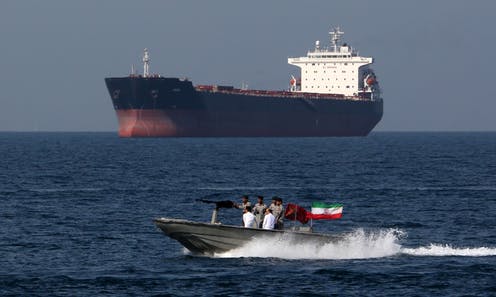
Trump's aggressive stance marked a sharp reversal from earlier signals suggesting Washington was open to de-escalating the conflict, even as the U.S. continued reinforcing its military presence across the Middle East. Iran has effectively kept the Strait of Hormuz blocked since the U.S.-Israel military campaign against Tehran began in late February, severely disrupting global oil flows. Approximately 20% of the world's total oil consumption passes through this vital waterway, making any prolonged closure a major threat to energy markets worldwide.
Crude oil prices had already climbed to nearly $120 per barrel earlier in March, reflecting growing fears over sustained supply disruptions. Goldman Sachs responded by raising its oil price forecast for the second consecutive week, now projecting Brent crude to average $110 per barrel through March and April, up significantly from a previous estimate of $98 per barrel, citing mounting structural risks tied to the ongoing Middle East conflict.