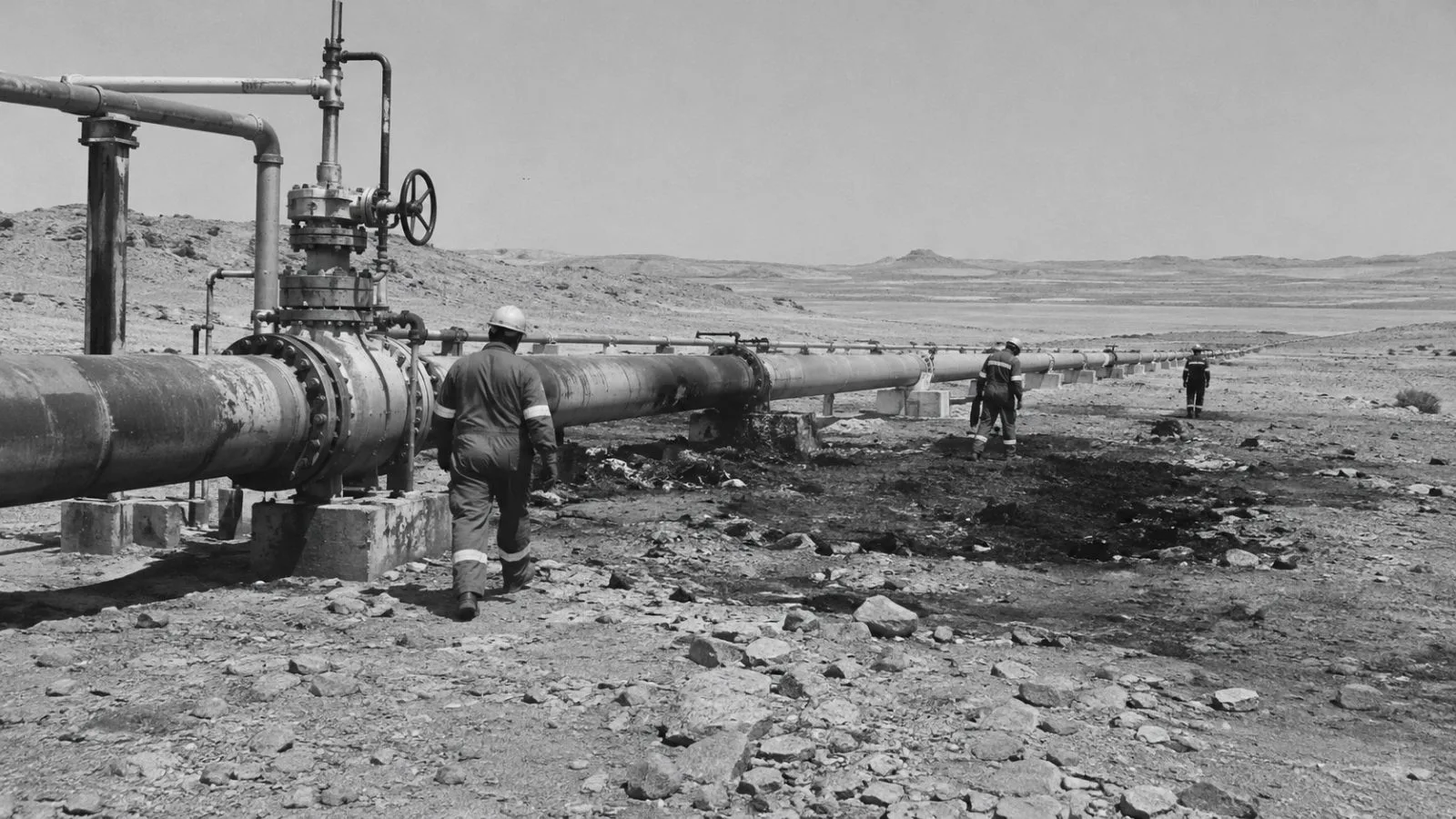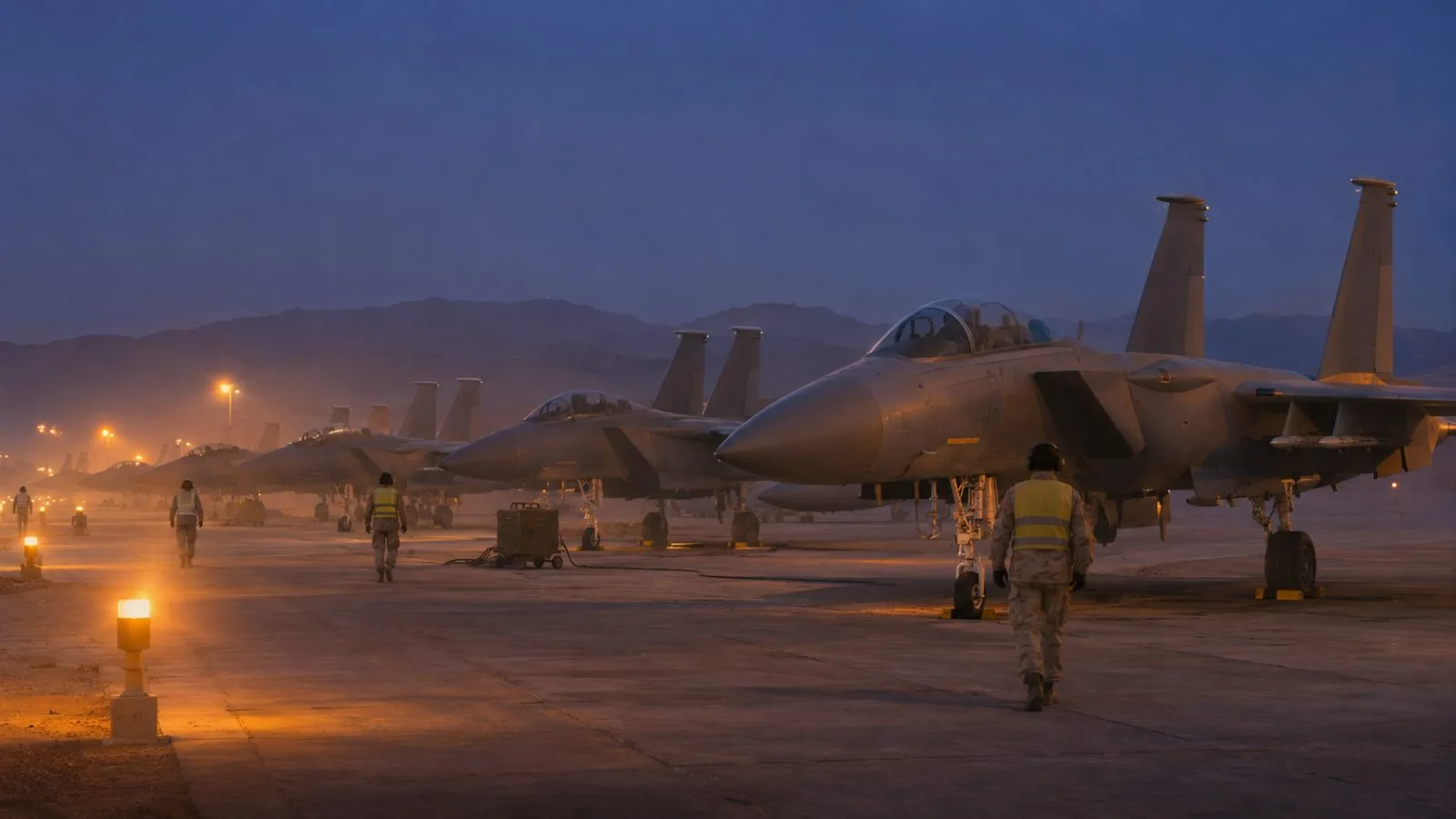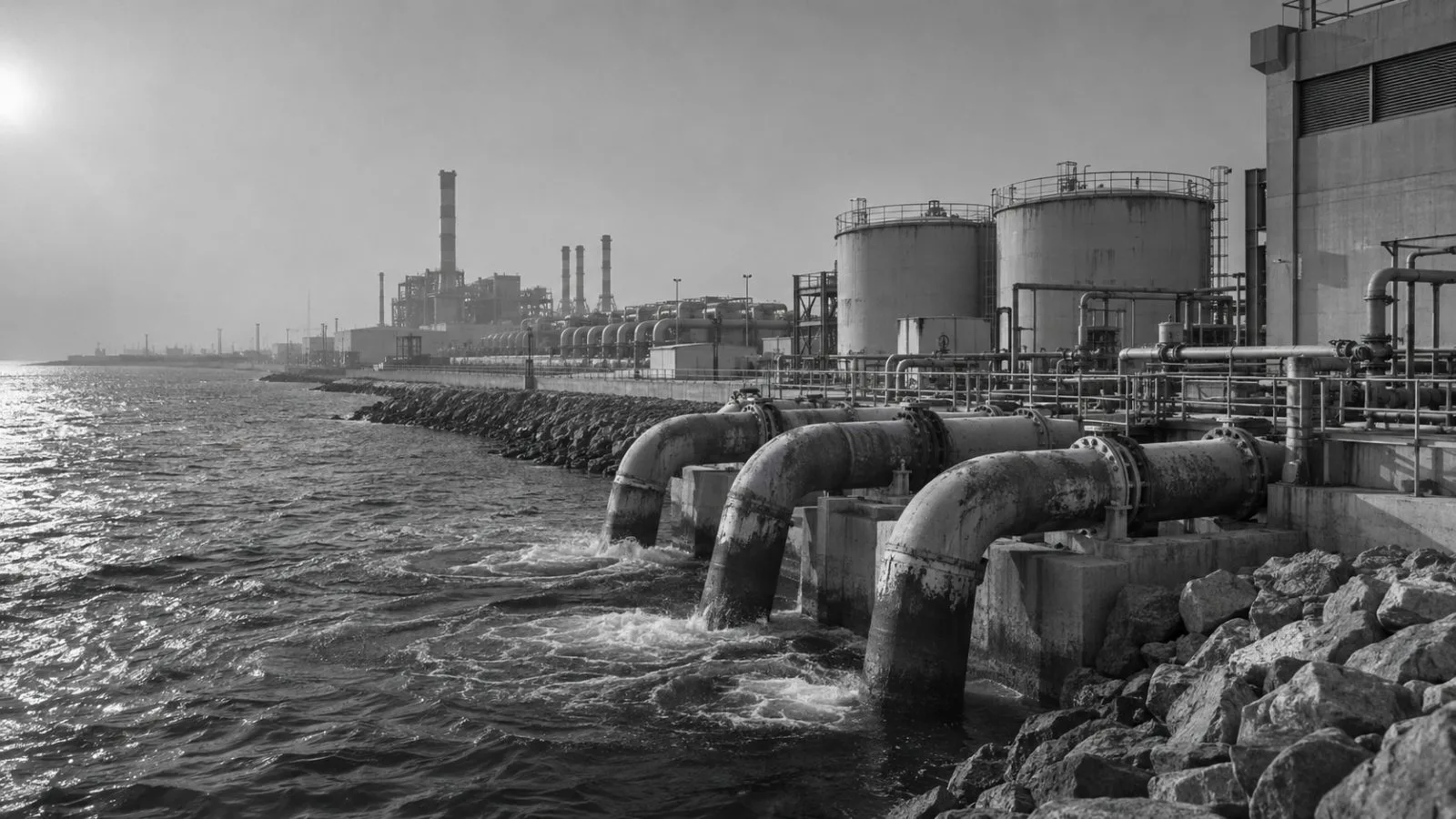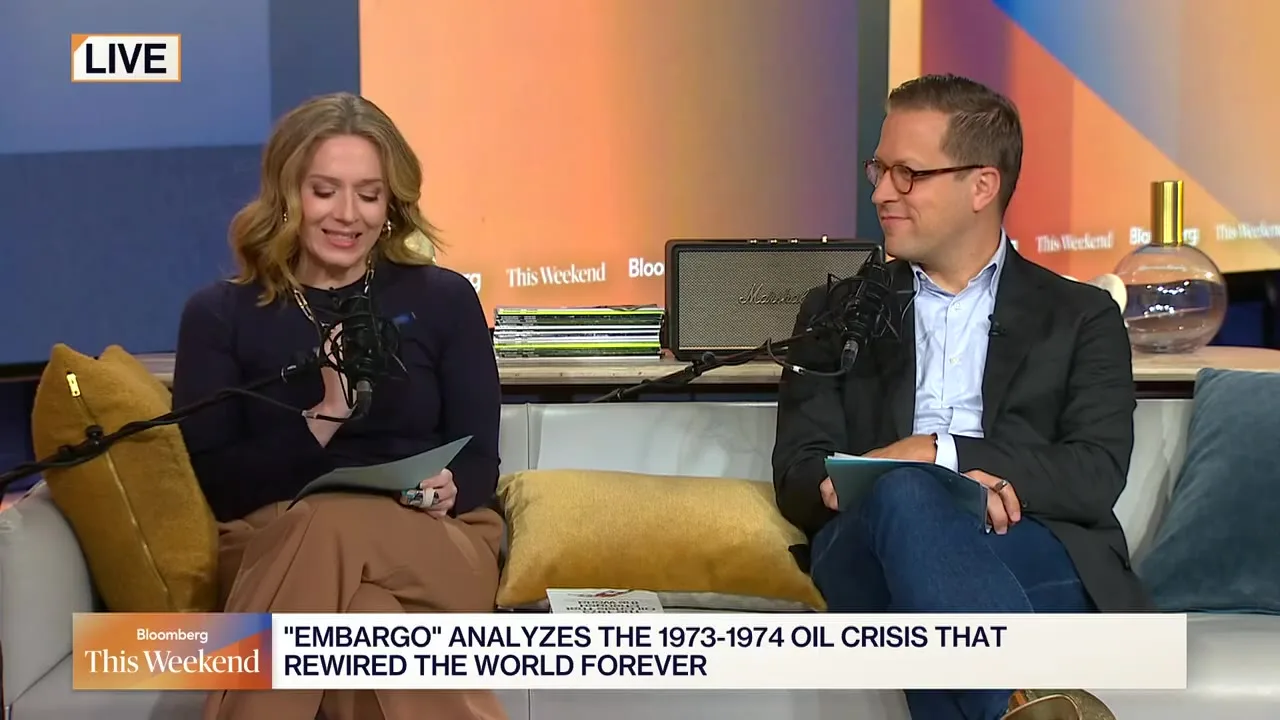
Oil-producing countries wield political power that Western governments repeatedly underestimate, the author of “Embargo, the 1973 Oil Crisis That Changed the World” said, drawing parallels with the current conflict involving Iran.
The conflict’s effects extend beyond Iran’s nuclear capability and Israel’s security to fertilizer prices and semiconductor supplies. Countries have interests, allies and sources of power that outsiders overlook when concentrating on a single issue.
“They called it the oil weapon for a reason,” the author said in Bloomberg Television’s “The 1973 Oil Crisis Still Matters Today,” published Nov. 15. Western companies initially supplied the expertise, export routes and markets that Middle Eastern producers lacked.
World War Two increased demand for the region’s oil. Producers subsequently sought greater control over their resources and a larger share of the proceeds, then sought political influence alongside those economic gains.
Israel’s expansion in the 1967 war sharpened the question of how Arab countries could turn oil wealth into political power. In 1973, that confrontation forced Western countries to weigh access to Arab oil against support for Israel.
Western powers underestimated regional leaders for different reasons. Britain struggled to accept the end of its empire during the Suez crisis. The United States lacked experience in the Middle East during the 1960s and 1970s.
Henry Kissinger treated countries as pieces in a wider Cold War strategy, sometimes underestimating them. Today’s conflicts similarly involve countries with populations of 60 million or 70 million and interests extending beyond the issue that initially draws foreign attention.
The author also compared Richard Nixon’s economic intervention with President Donald Trump’s. Nixon imposed wage and price controls to curb inflation, while Trump has used tariffs, government ownership rights and other interventions.
Nixon faced the oil crisis while Watergate investigations gathered pace after 1972, before his resignation in August 1974. Both presidents combined Republican commitments to markets with a willingness to intervene heavily, creating conflicting approaches.
Saudi Arabia’s King Faisal embodied the country’s rapid transformation. Born in 1906, the son of the kingdom’s founder, Ibn Saud, he helped assemble a country established in 1932. He later balanced religious and social traditions with girls’ schooling, television and other changes.
Negotiations brought him together with Kissinger and American oil official Bill Simon, who later became Treasury secretary. The author traced the development of the U.S.-Saudi alliance to those encounters.
Venezuela supplied another comparison. It was a wealthy, sophisticated oil producer in the first half of the 20th century, but viewing it solely through its oil risks overlooking people’s demands for education and a broader economy.
Dependence on one lucrative resource can encourage corruption and leave other industries undeveloped. The author described Norway as a rare exception and characterized the American approach to Venezuela as imperial.
Saudi Arabia’s attempts to build businesses beyond oil reflect the same concern that shaped its plans in the 1970s: reserves are finite. The author offered 50, 100 or 150 years as possible horizons, without settling on a depletion date. Earlier ambitions included petrochemicals, natural gas facilities and hospitals.
More recent projects include tourism and entertainment, including NEOM and LIV Golf. The author criticized those projects as reckless but expressed hope that Saudi plans were maturing. Higher oil prices help the economy, while instability involving Yemen and the Houthis works against it.