Ontario businesses reported improving confidence in August, but 57% expected tariffs, trade policies or uncertainty to negatively affect investment or expansion, underscoring the split in sentiment before the U.S. midterms.
The Ontario Chamber of Commerce and research firm Leger surveyed 851 businesses from July 27 to Aug. 17. The survey’s net-confidence measure was 34% in August, up from 23% in December 2025; 44% of respondents said they lacked confidence.
Businesses described several adjustments. Twenty-three percent had raised prices, 19% had reduced exports to or imports from the United States, 18% had expanded sales to Canadian customers and 18% had diversified suppliers. In a separate measure, 38% said they were diversifying suppliers or markets beyond the United States and Mexico: 14% had done so, while 24% were still working on it.
The reported burden differed by company size. Forty-one percent of businesses with fewer than 10 employees reported significant negative impacts on investment or expansion plans, compared with 12% of businesses with 500 or more employees, the Chamber’s report said.
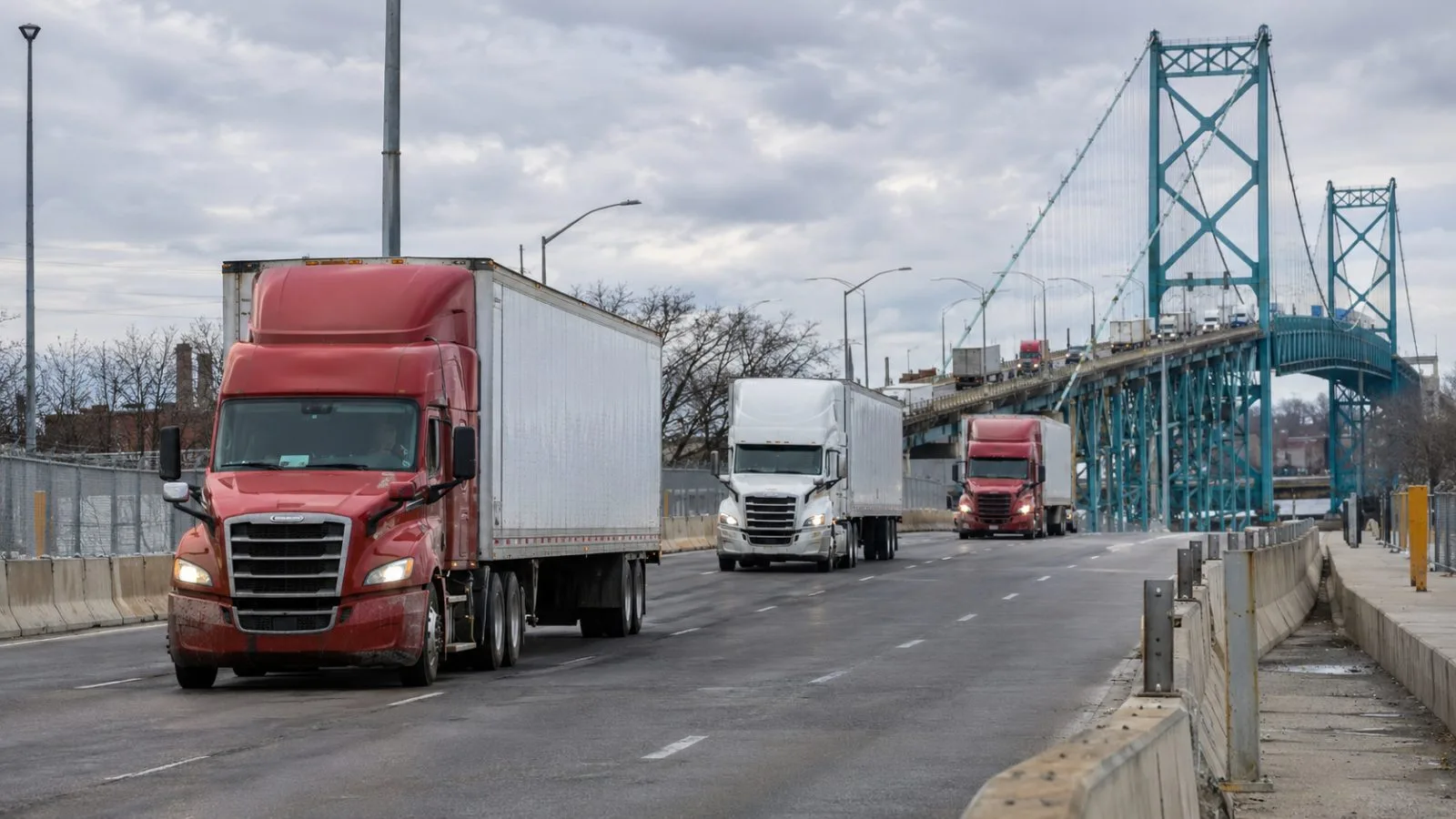
The Chamber report puts annual trade between Ontario and Michigan at more than US$80 billion and points to auto supply chains that cross the border. After the election, Ontario Chamber of Commerce President and CEO Daniel Tisch said the province’s strategic position had improved “modestly but meaningfully,” Global News reported. He described the optimism as “very fragile right now.” The Associated Press projected Democratic control of the Senate on Nov. 3 and the House on Nov. 4.
Canada’s 2026 budget estimates about $151 billion in net support for households, businesses and other levels of government over fiscal 2026-27 through 2030-31; that figure is not dedicated to tariff relief. Separately, the budget provides an additional $1.5 billion for the Regional Tariff Response Initiative and lowers the annual revenue threshold for direct tariff programs at the Business Development Bank of Canada to $1 million. The Canadian Federation of Independent Business said eligibility for existing tariff support still excluded companies with annual sales below $1 million. Because fieldwork ended Aug. 17, the survey does not show whether the Nov. 3-4 election changed business sentiment.