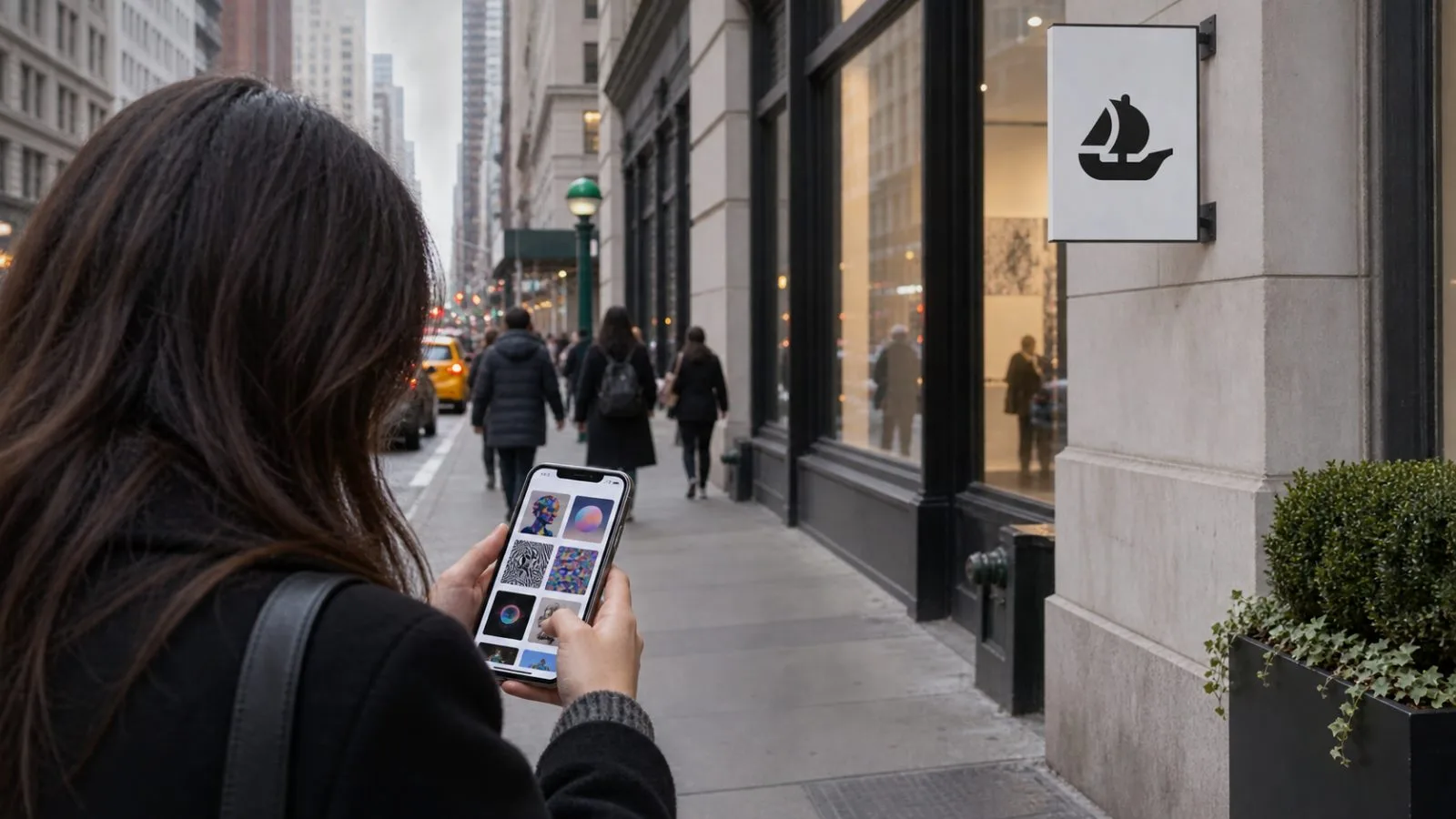
OpenSea's mobile app combines token trading across more than 25 blockchains with wallet portfolios and a social feed, while Solana NFT functions differ between iOS and Android.
Users can link a wallet they already use or import it into their OpenSea account. The portfolio then shows tokens, collectibles and art from linked wallets in one combined view, giving users a place to review holdings across networks.
OpenSea describes the service as noncustodial, so users retain control over assets in their wallets. Cross-chain trades can happen without first moving assets through a bridge. Network fees and charges from third-party providers may still apply.
Solana NFT actions differ by operating system. Android users can buy, list and make offers on Solana NFTs within the app. iPhone users need OpenSea's mobile web app for those transactions.
The social feed shows activity linked to accounts users follow, including transactions that took place through other crypto apps. With OpenSea Signals, users can add a note to a purchase; followers see the annotation beside that transaction.
OpenSea typically charges 1% on NFT sales, with the fee included in the price shown to buyers. The referral program gives users who join through a code a 10% discount on OpenSea's fee for eligible token swaps. Referrers receive a quarter of the fee OpenSea collects after the discount. NFT sales are excluded from both referral benefits.
The mobile product extends OpenSea beyond its original NFT marketplace. A phased rollout began in July, with some users first encountering a waitlist. OpenSea introduced token swaps with OS2 in February, then announced on May 29, 2025, that the platform had completed its beta phase and enabled token trading on 19 chains. The mobile app now supports more than 25 chains, expanding the network reach beyond that OS2 milestone.