Optimum says ether.fi has moved its 12 Ethereum node operators from optional use of mump2p to a mandate, seeking faster block delivery for validators whose rewards can depend on timing.
The software was live in production on Ethereum mainnet as of Oct. 20, Optimum said. Its rollout extends beyond ether.fi: the company counts 16 operators using mump2p across roughly 22,000 validator keys and validators with an active stake exceeding 1.4 million Ether (ETH).
Ethereum’s GossipSub system distributes blocks across the network. Optimum says mump2p offers another route to validators, with the aim of getting blocks to them sooner. The company links late arrivals to missed attestation and maximal extractable value (MEV) rewards, particularly for geographically remote validators.
Rok Kopp, ether.fi co-founder and chief growth officer, said the company imposed the requirement because it believes the software benefits stakers and the network.
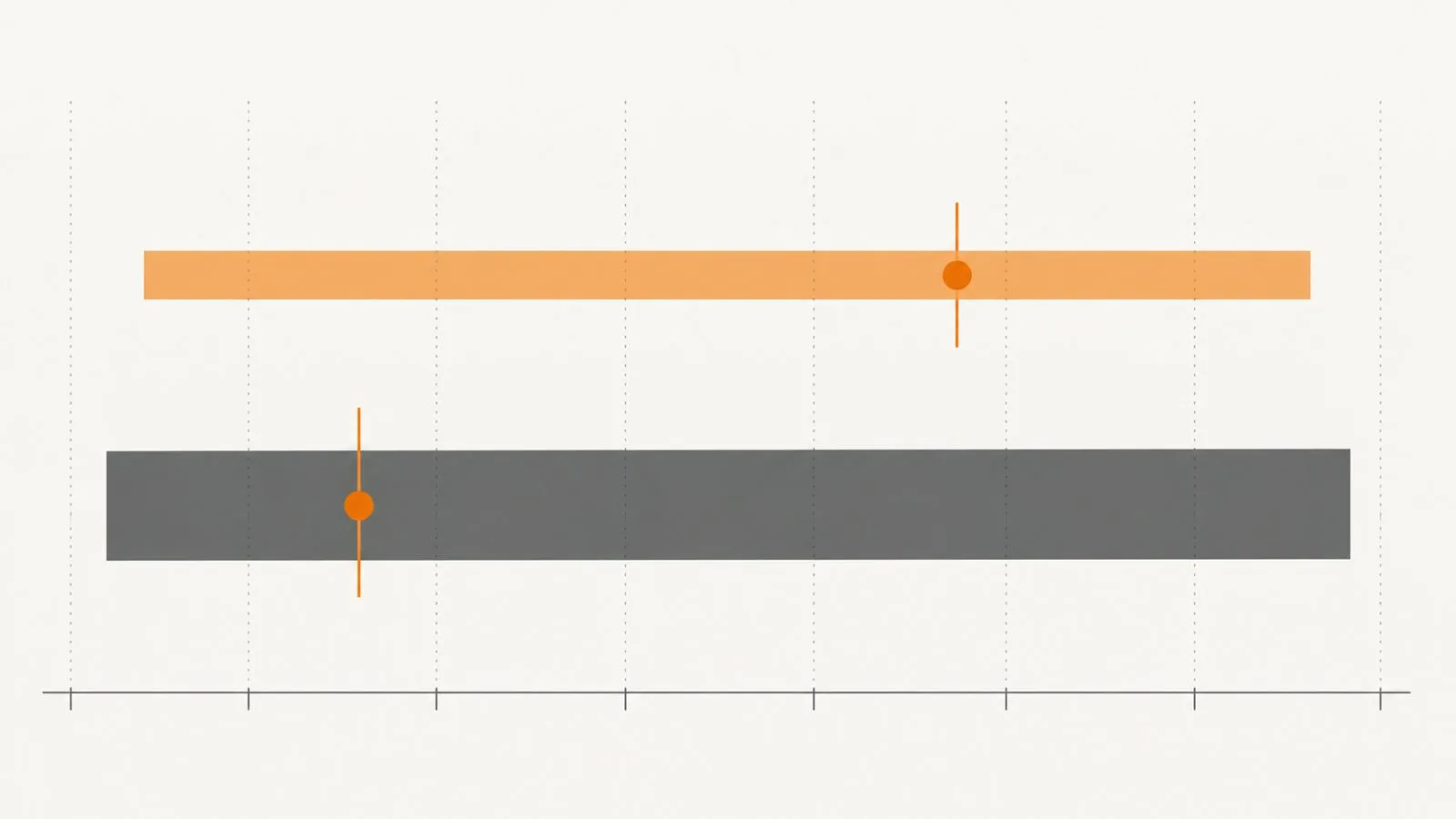
Optimum reported that block propagation was two to four times faster with mump2p than with GossipSub in its early mainnet measurements. That speed comparison does not, by itself, establish a gain in staking rewards.
StereumLabs examined block arrival times using an earlier version of mump2p. Its Sept. 9 report covered tests conducted Aug. 27–Sept. 7 on nodes without validators. Blocks arrived earlier for three of six Ethereum consensus clients, but none of the results was statistically significant.
The StereumLabs test did not measure staking rewards. It also examined a different outcome from Optimum’s preliminary propagation-speed comparison, so its findings do not directly confirm or refute Optimum’s figure.
An Optimum representative said the company plans to limit acceleration to registered operators after Oct. 26. The proposed change is intended to allow a clearer comparison of block arrival times.