An open letter dated Nov. 3 asks the World Health Organization (WHO) to prioritize nitrate in its next drinking-water guideline review, bringing evidence on long-term, low-dose exposure into a process that could shape national standards. The letter requests a full evaluation but does not call for an immediate change to the existing guideline.
WHO's current guideline is 50 milligrams per liter as nitrate ion, equivalent to 11.3 mg/L as nitrate-nitrogen. The agency says the value is intended to protect bottle-fed infants from methemoglobinemia and thyroid effects. WHO announced on June 18 that it was starting a more comprehensive update for a fifth edition.
The health evidence remains contested. WHO's 2022 fact sheet said its assessment did not find convincing evidence of a causal link between nitrate in drinking water and cancer. Pratyush Kumar, chair of the World Organization of Family Doctors' Working Party on Rural Practice, said studies associate nitrate below the current guideline with bowel cancer and premature birth.
A Danish government-appointed expert group proposed a 6 mg/L nitrate value in a report delivered Nov. 24, 2025, and revised Jan. 7, 2026. It found the strongest evidence concerned colorectal cancer. Evidence on reproductive outcomes, including congenital malformations, was suggestive but too inconsistent to support a value, the group said.
Denmark's Environment Ministry said in December 2025 that it was assessing what would be needed to lower the national limit. On Aug. 19, the government said it would examine possible further restrictions in nitrate-sensitive areas and that its aim was to prevent households from facing a large extra bill. Neither announcement set a final limit or implementation date.
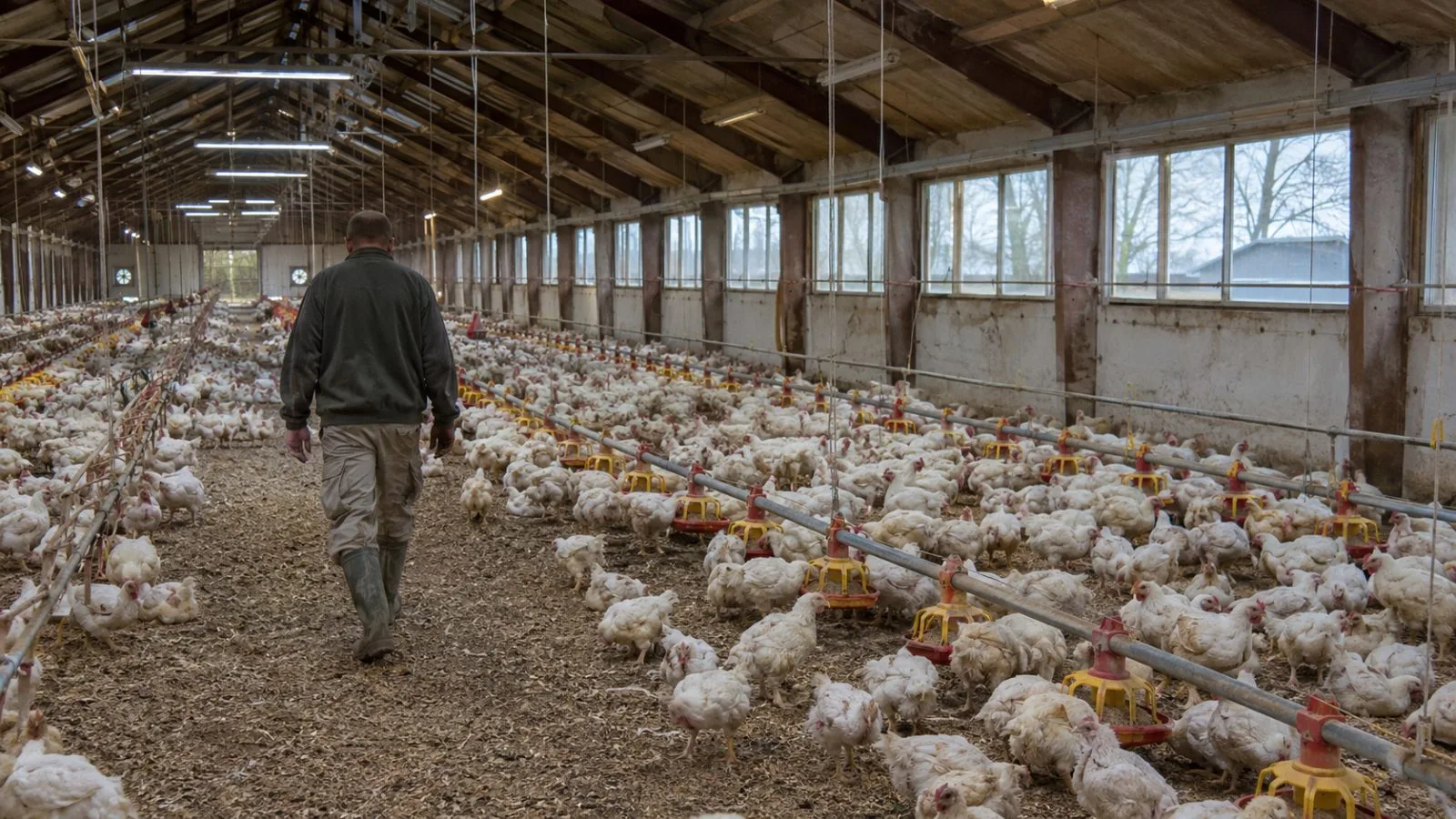
The WHO fact sheet lists fertilizer and manure, wastewater disposal, and human and animal waste among nitrate sources. It says removal treatment can involve added costs and operational complexity. The letter also asks WHO to consider protecting water sources and helping low- and middle-income countries implement guidance. The sources reviewed did not identify a timetable for deciding whether nitrate will be prioritized in the fifth-edition review.