An Oxfam estimate puts 42% of Peru’s new wealth from 2019 through 2025 in the hands of the richest 1%, a divide accompanied by widespread concern about inequality in a new survey.
The poorest half of the population received 1.4% of new wealth over the same period, Oxfam said in an Oct. 20 release. Those figures describe shares of wealth created during the period, rather than how much wealth either group held at its end.
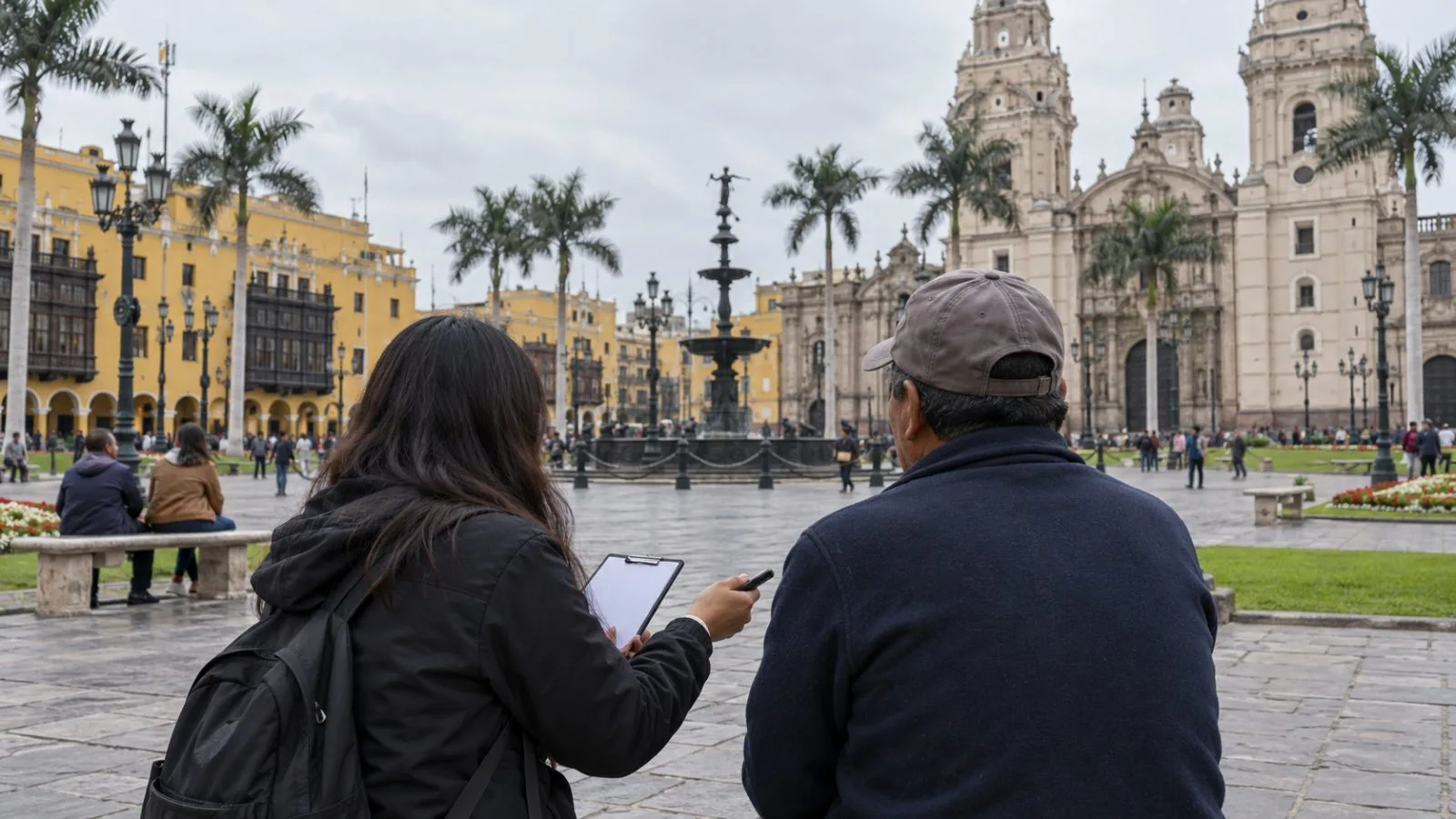
In a separate 2026 survey conducted with the Institute for Peruvian Studies, 84% of respondents viewed Peru’s government as serving powerful groups. Seven in 10 favored government measures to reduce inequality, Oxfam said.
The survey also asked about taxes. It found that 77% believed wealthy individuals found ways to pay less than their fair share, while 76% held that view of large corporations. The responses reflect perceptions, not findings about tax payments.
Oxfam’s income figures measure a different part of the divide. Average income rose 16% for Peruvians in the top 0.1% from 2019 through 2025 and fell 8% for those in the poorest half, the organization said. The top-income group is narrower than the richest 1% used in the wealth estimate.
Oxfam drew its income and wealth concentration figures from the World Inequality Database. A World Inequality Lab technical note lists Peru among countries whose wealth distribution is estimated using income inequality data.
“Inequality is not a force of nature,” said Alejandra Alayza, executive director of Oxfam in Peru, arguing that political choices shape the divide.
Oxfam and the institute are scheduled to present the survey Oct. 21.