Building a stronger regional response to future energy supply shocks may take several years, Philippine Energy Secretary Sharon Garin told Channel NewsAsia, pointing to gaps in fuel reserves and cross-border infrastructure.
The International Energy Agency's (IEA) October 2026 review says reliance on imported oil and liquefied natural gas, vulnerable sea lanes and uneven disruption planning expose the Association of Southeast Asian Nations (ASEAN) to supply risks. The agency identifies stored supplies, infrastructure upgrades, emergency procedures and regional coordination as possible ways to address them.
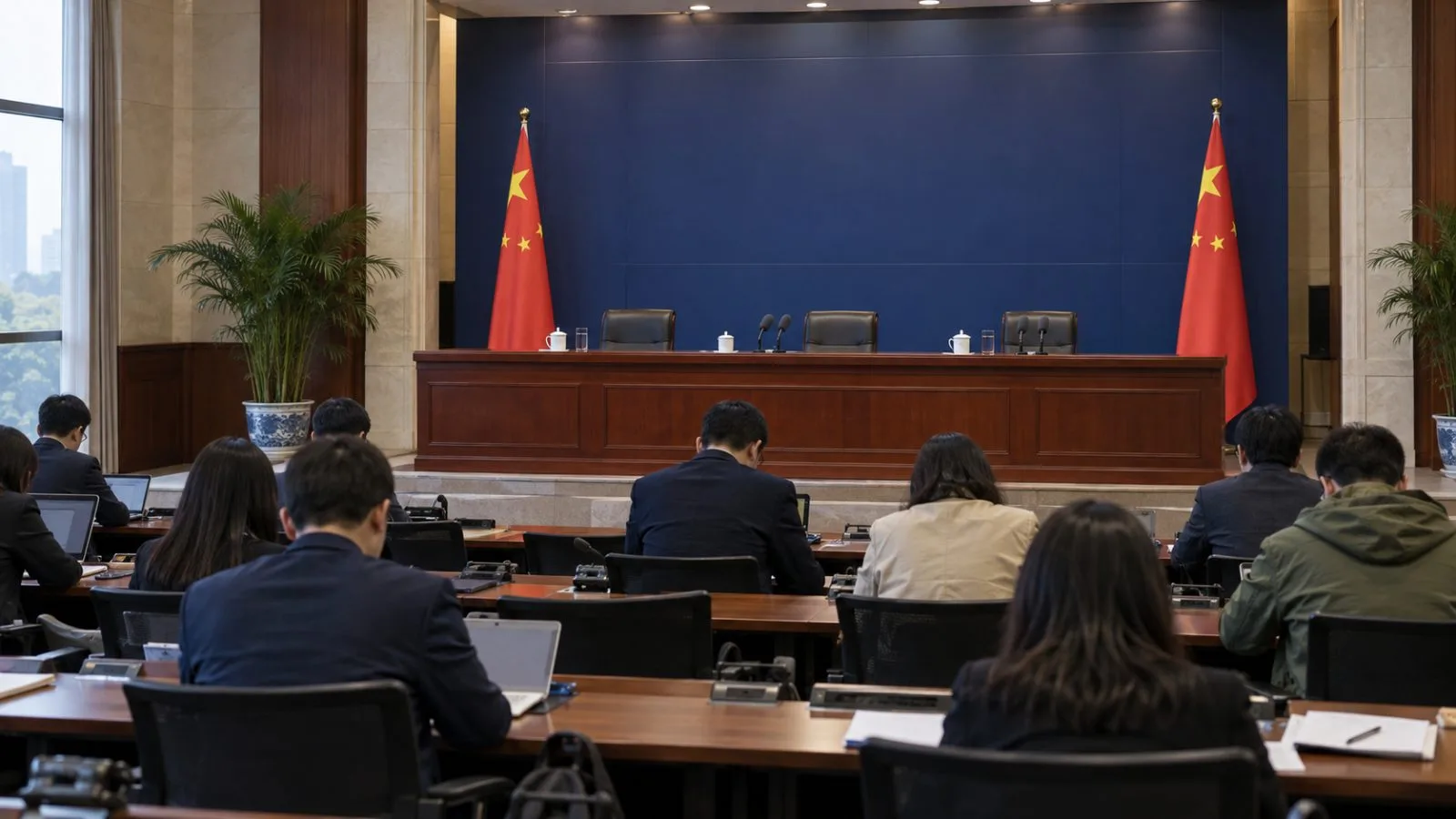
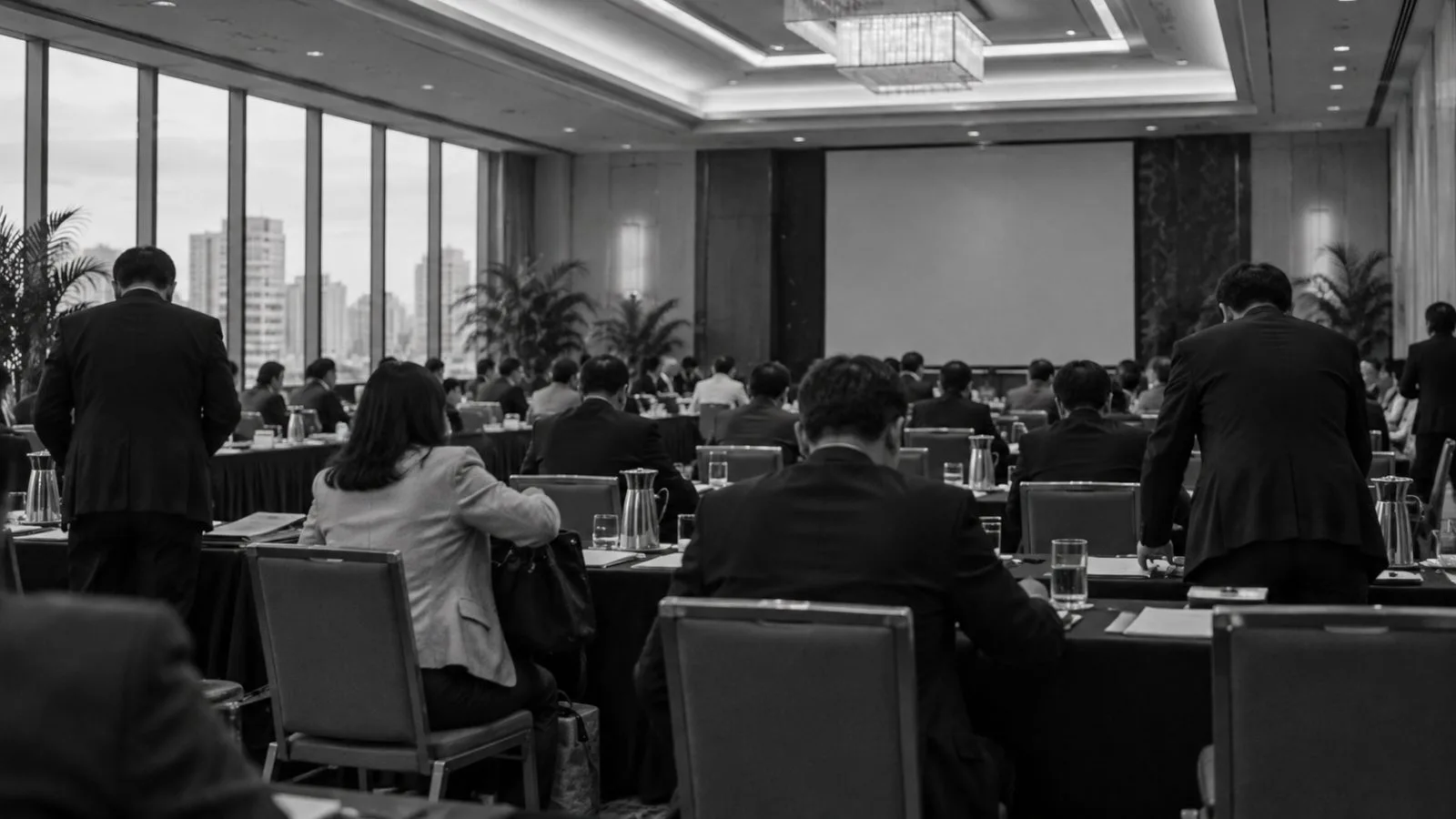
At an IEA workshop in Bangkok on Oct. 14-15, more than 40 attendees represented governments in nine ASEAN countries and other regional organizations, the agency said. The agency said attendees broadly recognized the value of holding emergency oil stocks. Indonesia, Malaysia, the Philippines and Thailand said they were weighing stronger stockholding arrangements.
The Philippines is moving ahead with its own reserve plan. The Philippine Information Agency reported that the Philippine National Oil Company has begun clearing land in Bataan for a government facility. Its first tank is designed to hold one million barrels, with availability targeted by the end of 2027. Garin told Channel NewsAsia that the government is revising regulations intended to protect consumers from sudden price increases.
Possible regional power links are also under discussion. A Singapore International Energy Week recap said Philippine talks covered Malaysia, Indonesia and Singapore. Garin told Channel NewsAsia that a potential undersea link with Indonesia would require agreement on its route, pricing rules and which country would sell the electricity. She said projects must make commercial sense for developers.
Reports differ on the status of the Enhanced ASEAN Power Grid memorandum of understanding (MOU). The Department of Energy (DOE) said in January 2026 that the MOU had been signed in October 2025. The department described multilateral power trade and renewable-energy integration as goals, with policy, legal and regulatory, and technical task forces among the implementation work.
Garin told Channel NewsAsia that ASEAN had reached consensus on the MOU in October 2026. Channel NewsAsia reported that finalization was expected at a leaders' meeting in Manila in November. The step remaining between the reported signing and expected finalization is unverified. The Manila meeting is the next reported milestone.