The Philippines’ proposed Pax Silica hub in New Clark City has a projected job total but no engineering breakdown in government announcements, leaving its specialist labor needs undefined as the country pursues semiconductor investment.
The Bases Conversion and Development Authority (BCDA) projects that the development could attract $40 billion to $70 billion in investment and create more than 130,000 jobs once fully built. Those projections give no engineering head count.
Gulf News reported Oct. 20, citing the Semiconductor and Electronics Industries in the Philippines Foundation, Inc. (SEIPI), that the wider sector needed 56,605 trained workers as of 2026. Operator positions make up 44,247 of that total; technicians account for 6,483 and engineers for 5,875. It is a sector-wide figure, not a staffing plan for the hub.
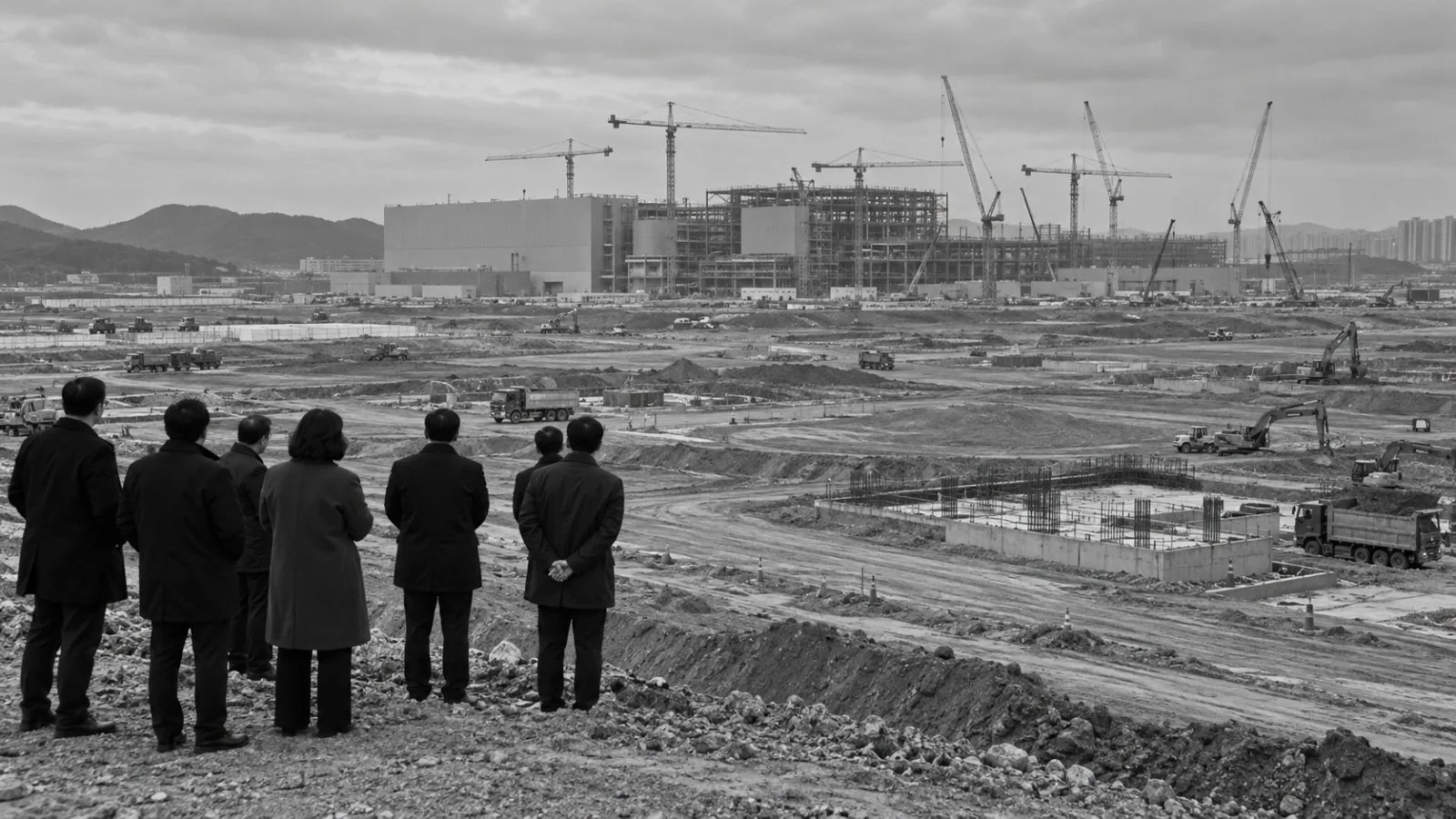
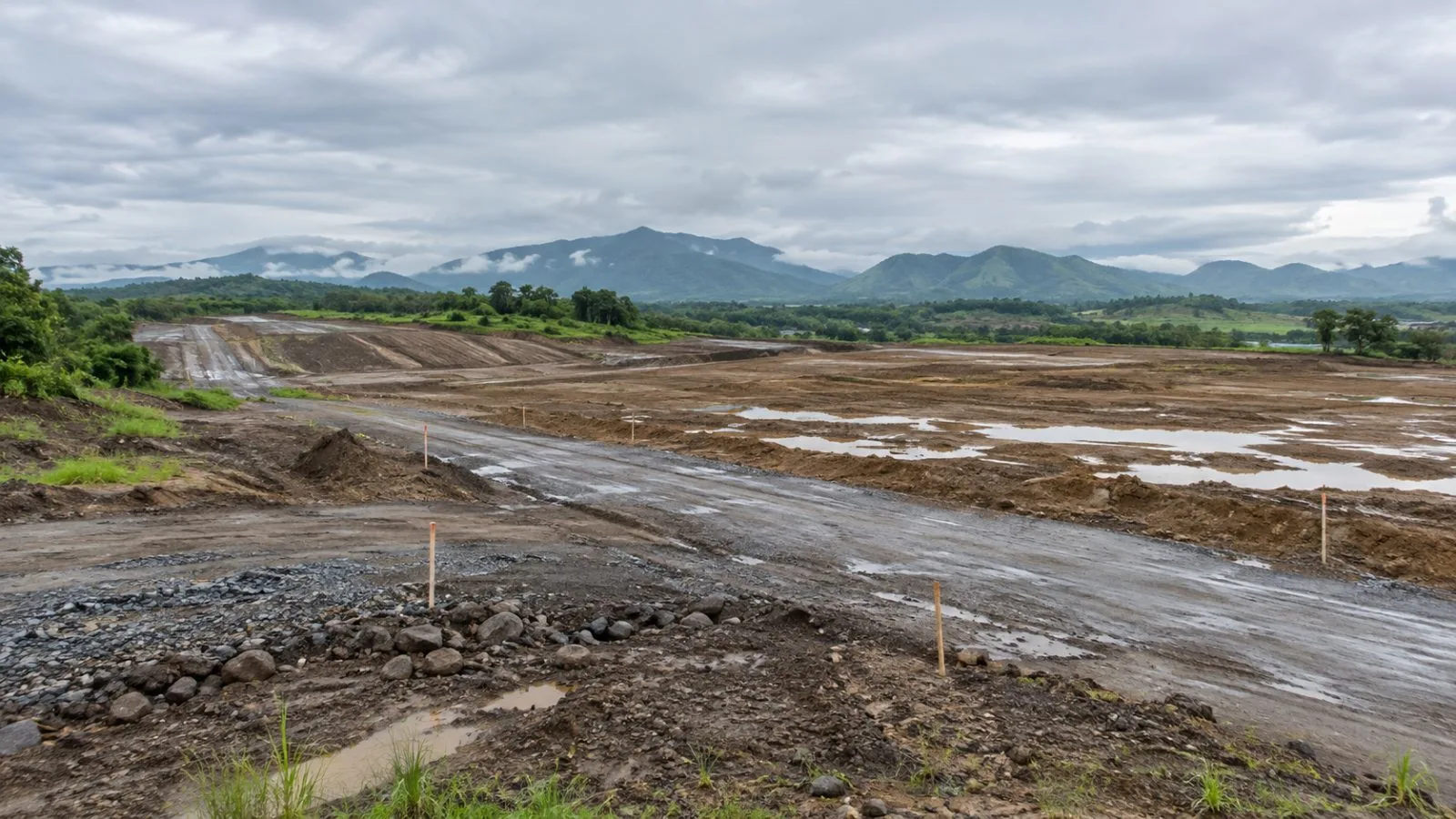
The United States and the Philippines announced plans April 16 for a 4,000-acre industrial zone in the Luzon Economic Corridor under Pax Silica, a U.S.-led supply chain initiative. BCDA identified New Clark City in Tarlac as the proposed location and later described the site as intended for semiconductor and advanced manufacturing.
The Philippine Statistics Authority (PSA) said electronic products accounted for $45.89 billion, or 54.3%, of the country’s exports in 2025. That established manufacturing base does not show how many workers have the specialist skills the proposed development would need.
The Commission on Higher Education (CHED) counted 87,083 graduates in its broad “Engineering and Tech” category in academic year 2018–19. The category covers programs from pre-baccalaureate through doctoral level; its historical total is not a count of semiconductor engineers available today.
At a July 17, 2024, industry roundtable, University of the Philippines Microelectronics Department head Louis Alarcon identified a shortage of graduate-level personnel for integrated-circuit design. He said the gap was hindering efforts to attract advanced-technology investment.
In an Oct. 14 discussion paper, University of the Philippines Center for Integrative and Development Studies author Edylinda Annette Balaoing-Pelkmans argued that locating major firms in Clark alone would not build local technical expertise or supplier links.
BCDA has also identified water and power provision as requirements for the site. In July, it expected contract negotiations in 2026, planning in 2027 and construction to begin in early 2028. A Sept. 13 government update gave a broader timetable, saying construction was expected within two to three years, following negotiations, planning and regulatory approvals.