Ping An Healthcare and Technology Company Limited, which operates as Ping An Good Doctor, reported higher nine-month earnings despite lower revenue, while its AI Doctor platform neared 13 million users.
In an Oct. 22 filing to the Hong Kong stock exchange, the company put net profit for January through September at RMB248.209 million, up 35% from RMB183.841 million a year earlier. Revenue moved in the opposite direction, falling 5.8% to RMB3.508305 billion from RMB3.724608 billion.
Adjusted net profit was RMB258.343 million, 19.5% higher than RMB216.135 million. Ping An defines the adjusted measure as net profit excluding share-based payments and foreign exchange losses. The filing did not explain what drove the profit increase as revenue declined.
The company said nearly 13 million users had used AI Doctor during the period. It also reported that its AI-supported multidisciplinary teams addressed four major disease groups and achieved about 90% accuracy on complex-disease diagnoses and treatment plans.
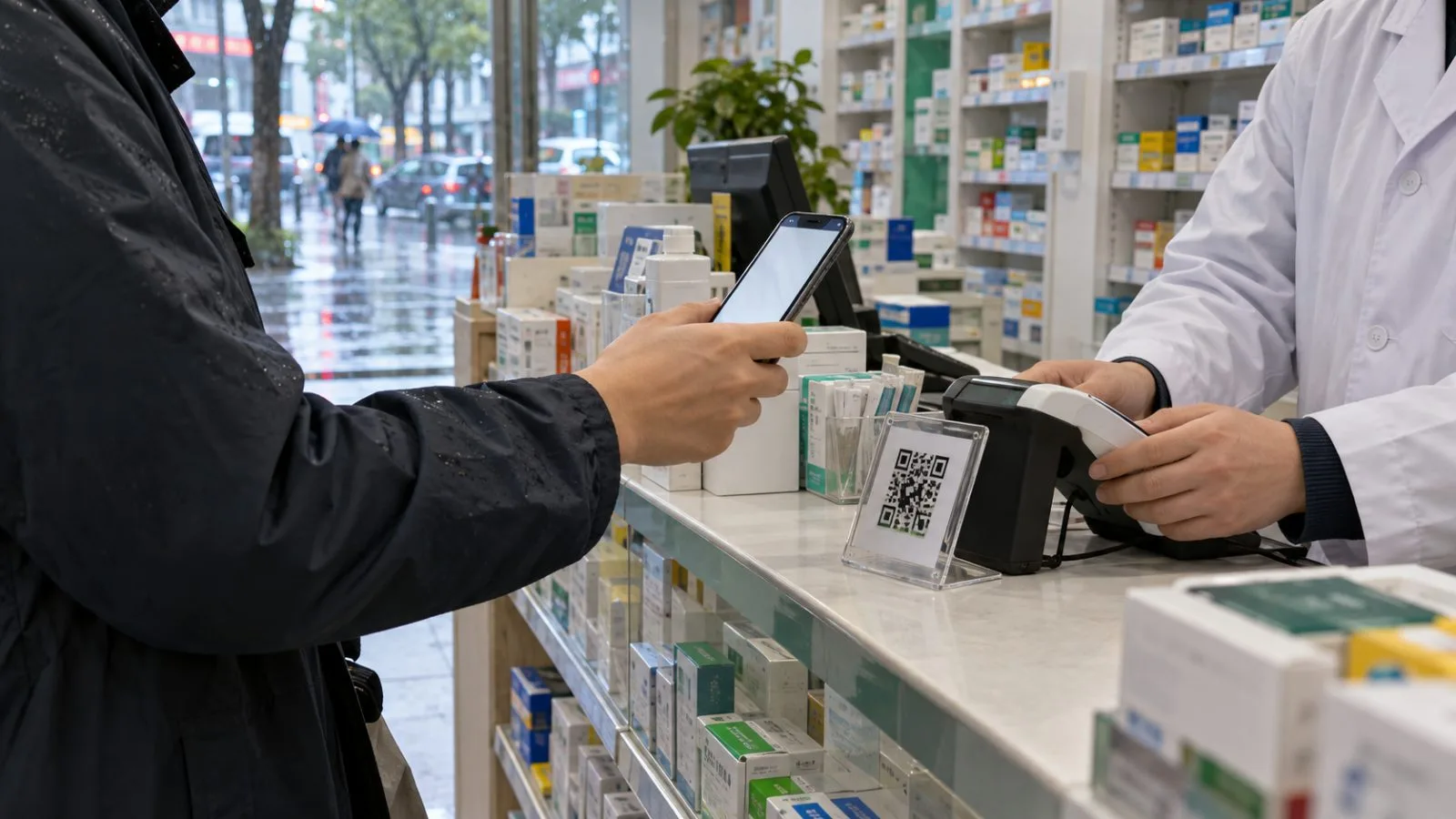
A company release described Ping An Smart Private Coach, which combines an AI coach with a human personal trainer, and Ping An GlobalCare, a multilingual medical service for expatriates that the company said was available in Shenzhen. Ping An also said its Health Pay service enabled QR-code payments at 169,000 pharmacies nationwide.
The company reported more than 8,100 paying corporate clients in the 12 months through Sept. 30, nearly 60% more than a year earlier. It said it plans to widen AI use in professional medical services and pursue product innovation under its insurance + health care model. The filing describes health benefits linked to insurance as supporting customer acquisition, but does not connect that effort to the profit increase.
The company said the figures were preliminary, drawn from the board’s review of internal data, and had not been audited or reviewed by its auditors. It cautioned that the results could change.