Political scientist André Singer says shifting business support for reform helps explain Brazil’s democratic and authoritarian turns as voters prepare to choose between President Luiz Inácio Lula da Silva and Sen. Flávio Bolsonaro.
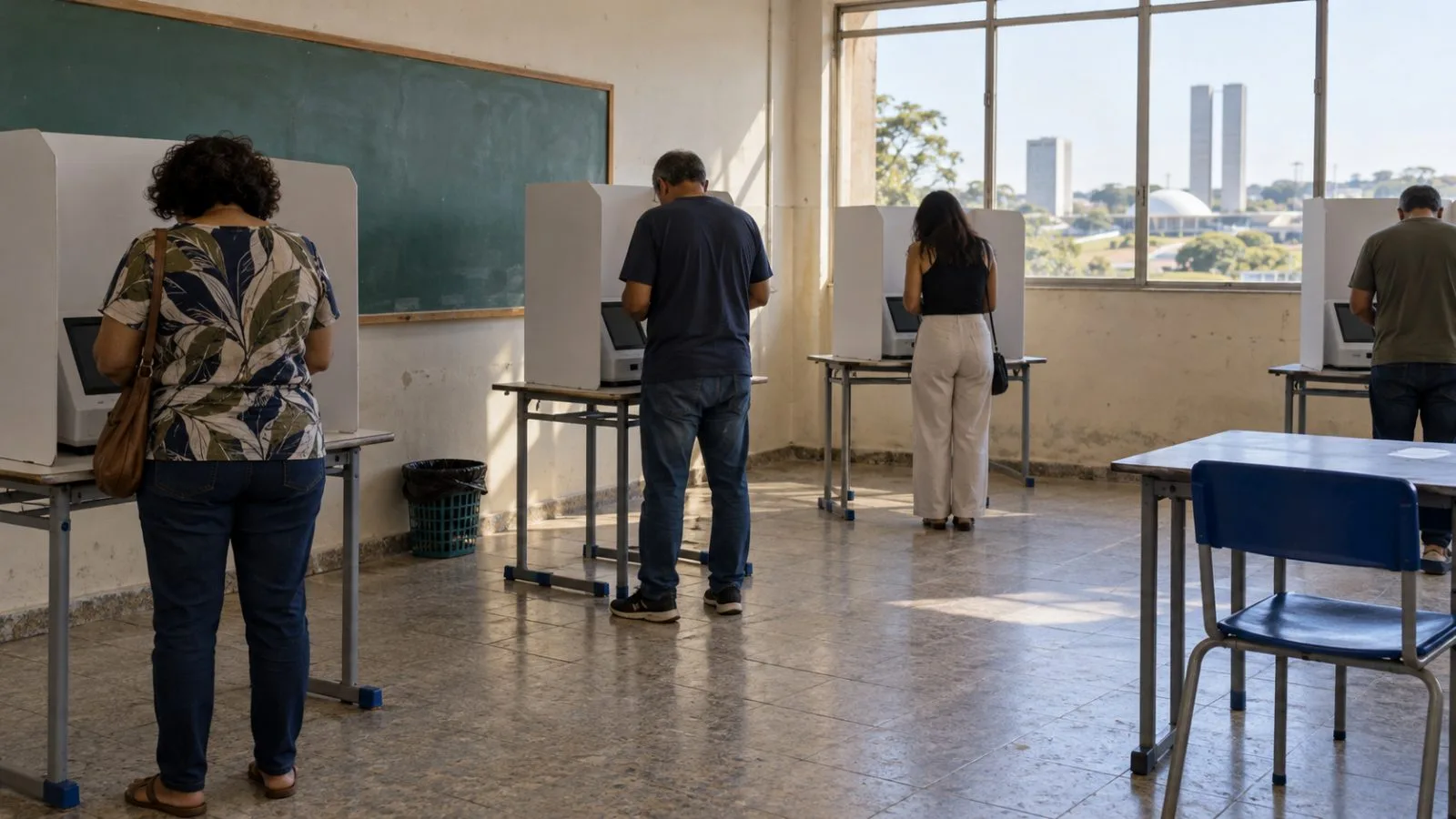
Final data from Brazil’s Superior Electoral Court (TSE) show Bolsonaro received 56,104,503 votes, or 47.03% of valid votes, in the Oct. 4 first round. Lula received 53,879,538 votes, or 45.16%. The TSE reported that all 499,248 polling sections were counted.
In an Oct. 22 interview with Phenomenal World, Singer argued that economic interests can lead business elites to support modernization, then pull back when reforms strengthen workers. He said elites may turn to authoritarianism when democracy threatens their interests, a choice he said “exacts a high price.”
Singer also calls former President Dilma Rousseff’s 2016 removal a “parliamentary coup.” Brazil’s Federal Senate voted 61-20 to remove her, citing unauthorized loans from a federally controlled bank and supplementary-credit decrees issued without congressional approval. The Senate judgment records those grounds but does not use Singer’s characterization.
Brazil’s Supreme Federal Court (STF) said it tried 31 defendants across four cases linked to an alleged 2022 coup effort, convicting 29 and acquitting two. In one case, the court said, defendants planned violent actions, including the assassinations of Lula, Vice President Geraldo Alckmin and Justice Alexandre de Moraes.
Singer says the alignment of Brazil’s more modern business sectors in 2026 remains uncertain. He presents his account as an explanation of political realignments, not a forecast of the runoff. The TSE calendar sets the vote for Oct. 25.