Two pre-midterm surveys found many rural U.S. adults worried about affordability and local economic conditions, while one poll showed lower stated turnout certainty among Republicans dissatisfied with President Donald Trump’s economic handling.
The Guardian reported that The Harris Poll’s nationally representative online survey of 3,998 U.S. adults, conducted Sept. 24-Oct. 3, 2026, found 40% of rural respondents selected “survival mode,” the poll’s label for people with little ability to absorb an unexpected expense. The share was 35% among urban adults and 27% among suburban respondents.
Forty-one percent of rural respondents said neither party had an answer on affordability. The figures were 35% among suburban respondents and 27% among urban respondents.
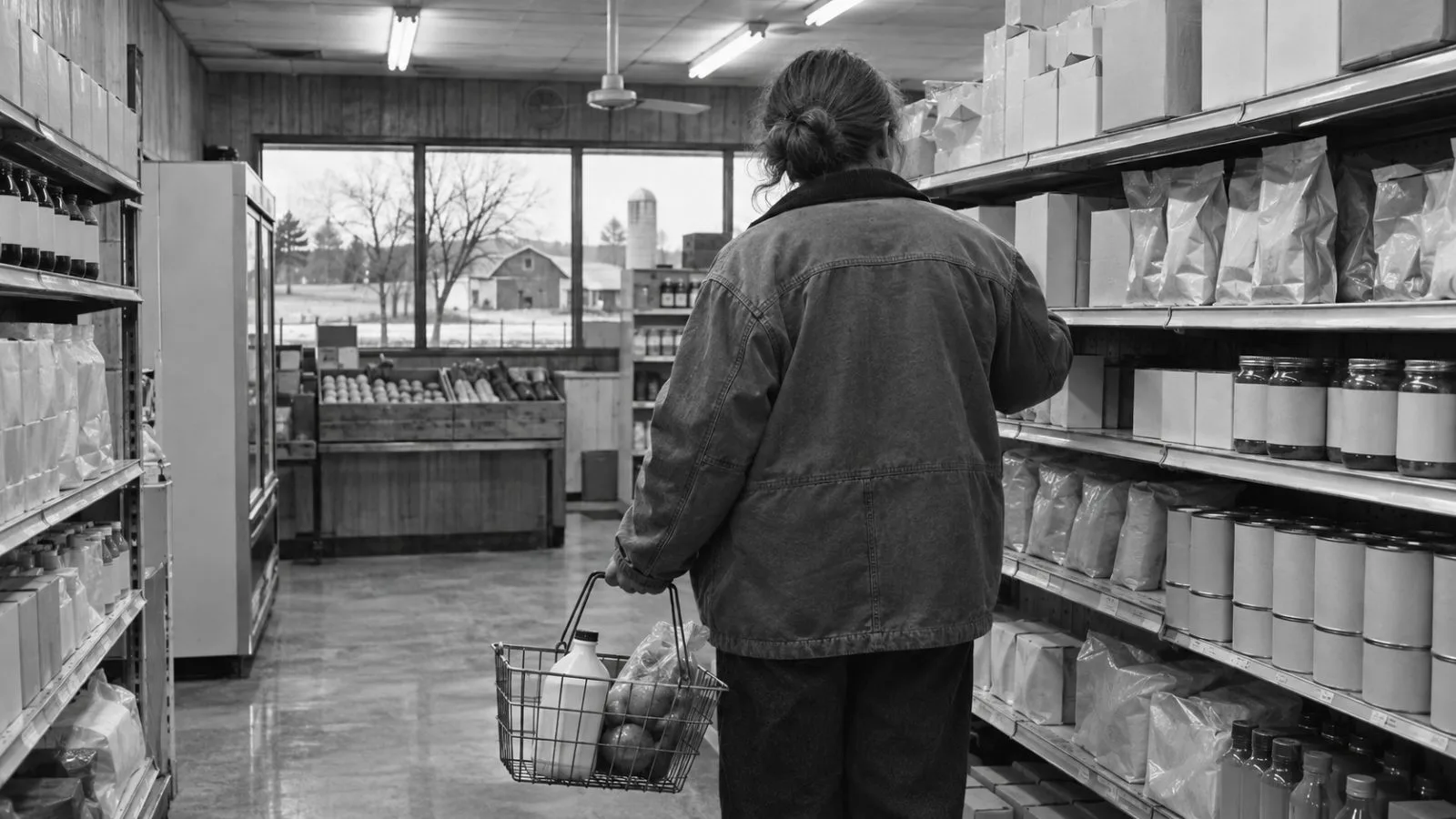
A separate KFF/AP survey of 2,241 rural registered voters, conducted online and by telephone Aug. 12-24, 2026, found 44% said their local economy had worsened during the second Trump presidency. Fifty-seven percent disapproved of Trump’s handling of the economy.
Cost of living was extremely important for candidates to discuss for 69% of rural voters, according to KFF/AP; health care costs followed at 56%. About three-quarters rated local cost of living as fair or poor, 25 percentage points more than respondents in the KFF/The Washington Post Survey of Rural America in 2017. That survey was conducted April 13-May 1, 2017.
A 54-year-old rural Wisconsin voter who identified as Republican said in the KFF/AP report: “Our health insurance tripled this past year and we can barely afford to pay for it plus afford food!”
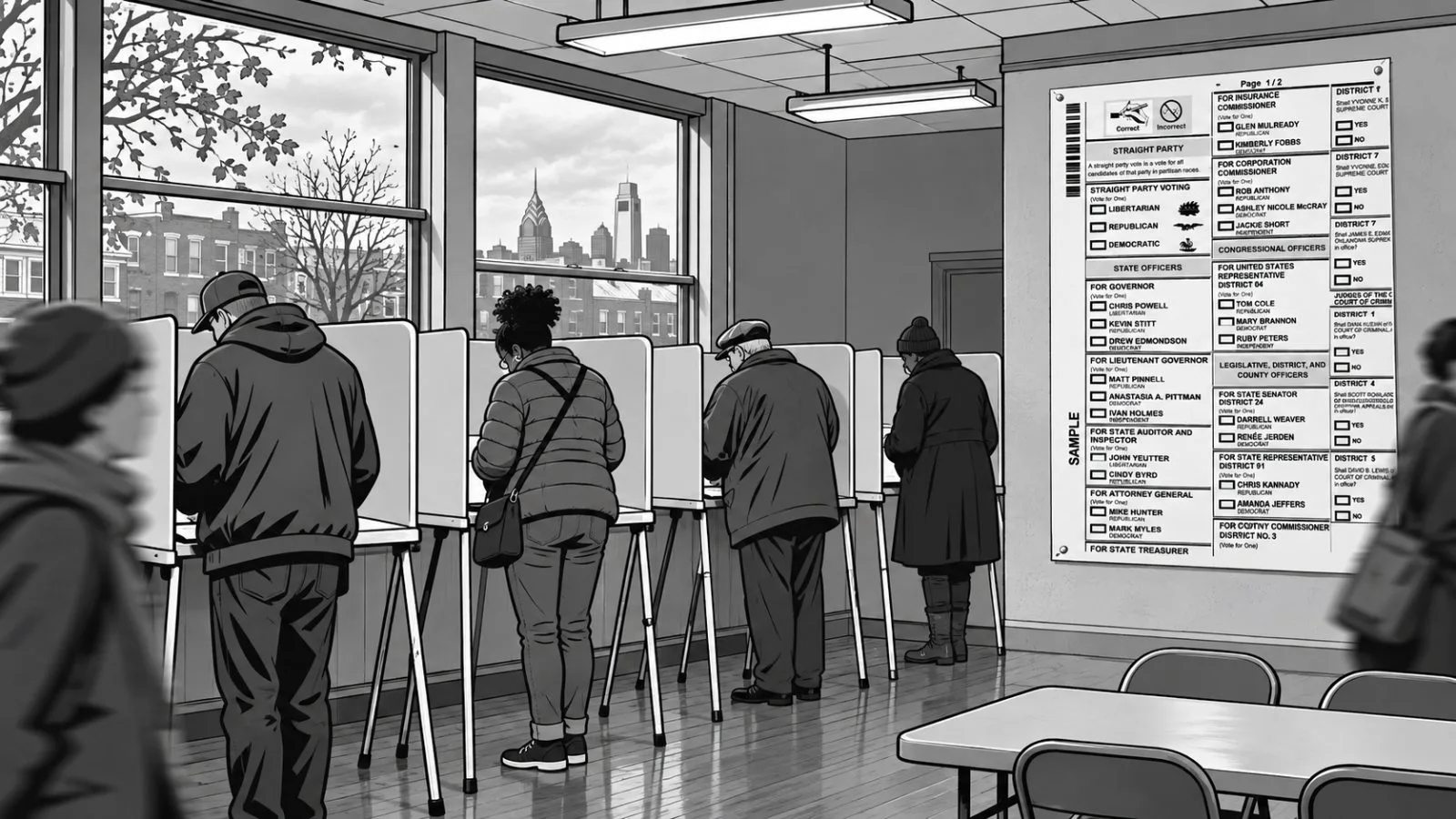
Despite the economic concerns, 98% of rural Republican voters said they were more likely to vote for a Republican than a Democratic candidate. Among rural Republicans who disapproved of Trump’s economic handling, 59% said they were “absolutely certain” to vote, compared with 79% of those who approved.
The figures reflect pre-election views and intentions; they do not show how respondents voted or establish that economic concerns changed party allegiance.