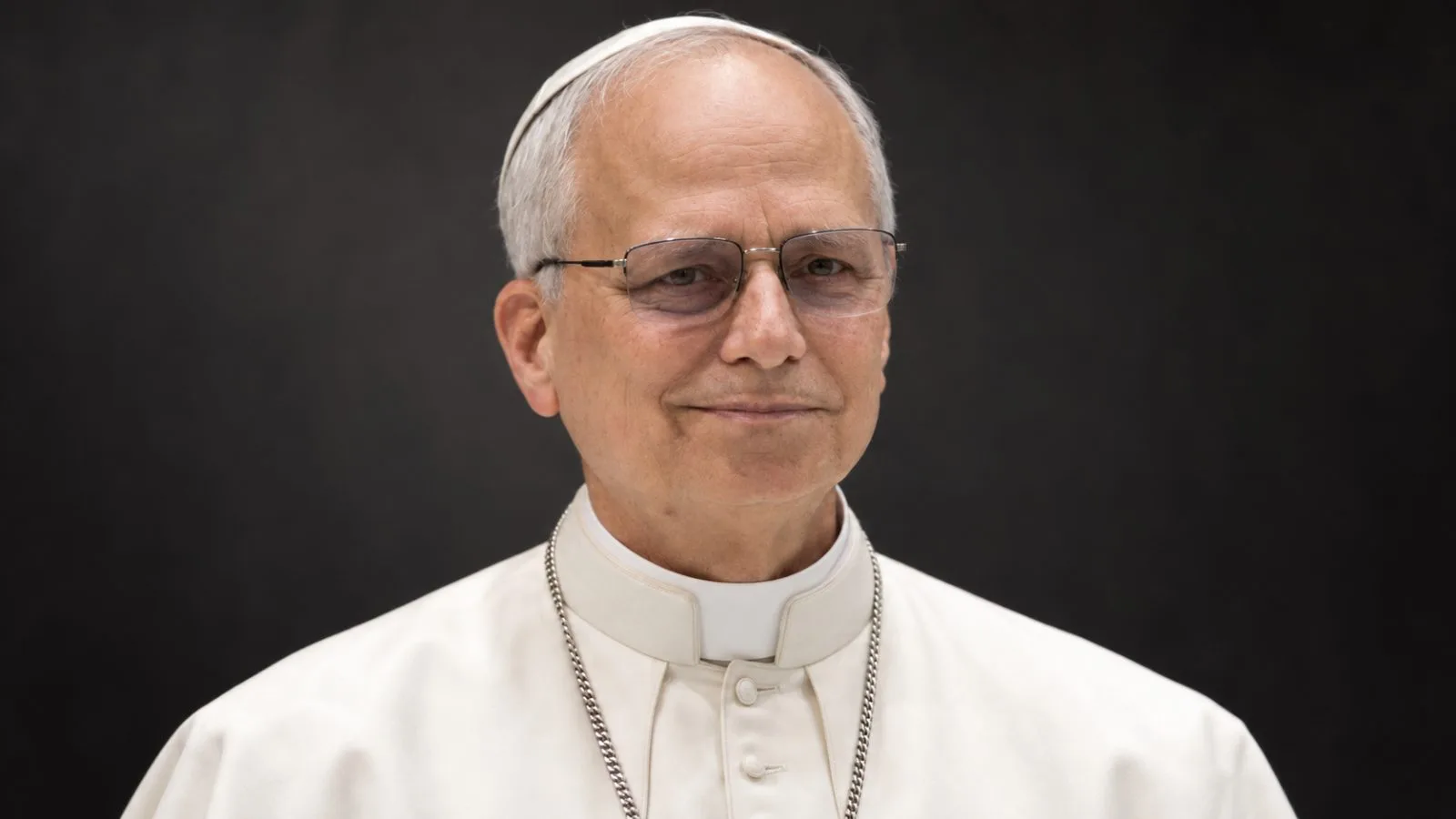
Pope Leo XIV used a meeting in Buenos Aires on Monday to urge Argentina’s unions to defend workers in insecure jobs, putting labor protections at the center of debate over President Javier Milei’s economic policies.
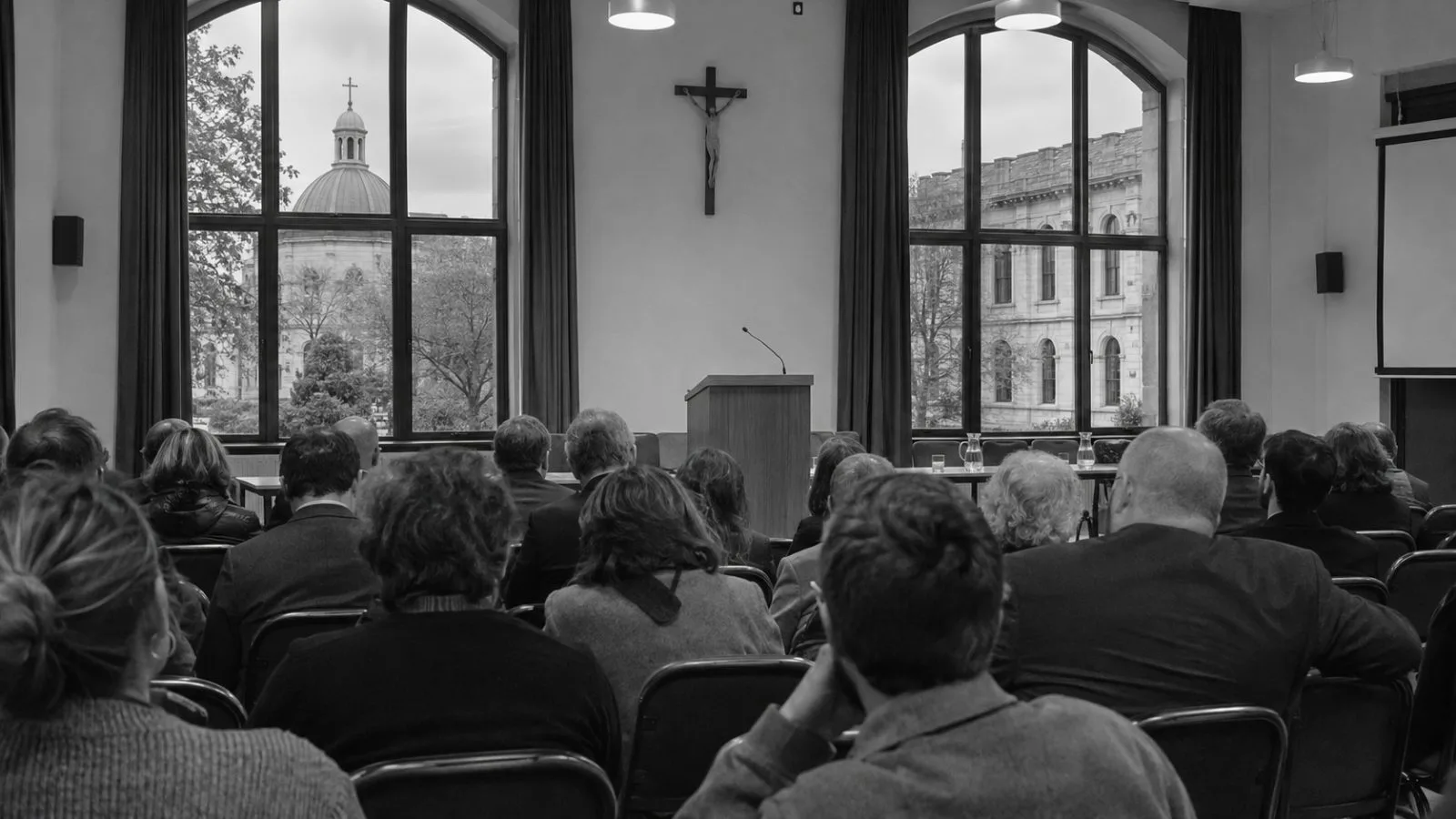
At the Catholic University of Argentina, Leo spoke to business leaders, workers and union members. He said unions can represent people with little influence and help maintain dignified conditions at work. Leo warned, “When economic profit is established as the sole criterion of success, a business becomes dehumanised.” He also said losing work can damage dignity, reduce a person’s chance to contribute to society and push that person toward social exclusion.
The remarks came as Milei’s labor changes alter the balance between employers and organized labor. The Buenos Aires Times reported that reforms adopted in February broadened employers’ discretion over staffing and imposed limits on strikes, reducing unions’ leverage in negotiations. The outlet said unions have been particularly angered by the changes.
Since Milei took office in December 2023, the Confederación General del Trabajo (CGT) has called four general strikes, the Buenos Aires Times reported. According to the Buenos Aires Times, private-sector employment fell by around 270,000 and public-sector employment by 81,000 after Milei took office. It put unemployment at 7.9%, the highest level since 2021.
The Buenos Aires Times, citing Times/AFP, reported that around 45% of Argentina’s workers are in informal jobs. Those workers lack pension contributions and formal labor protections, the outlet said. The scale of informal work adds context to Leo’s appeal for unions to stand up for workers with little access to safeguards.
Milei campaigned on a pledge to revive the economy by cutting public spending. The Buenos Aires Times reported that his government’s austerity measures have been unpopular, placing labor changes within a wider dispute over the country’s economic direction.