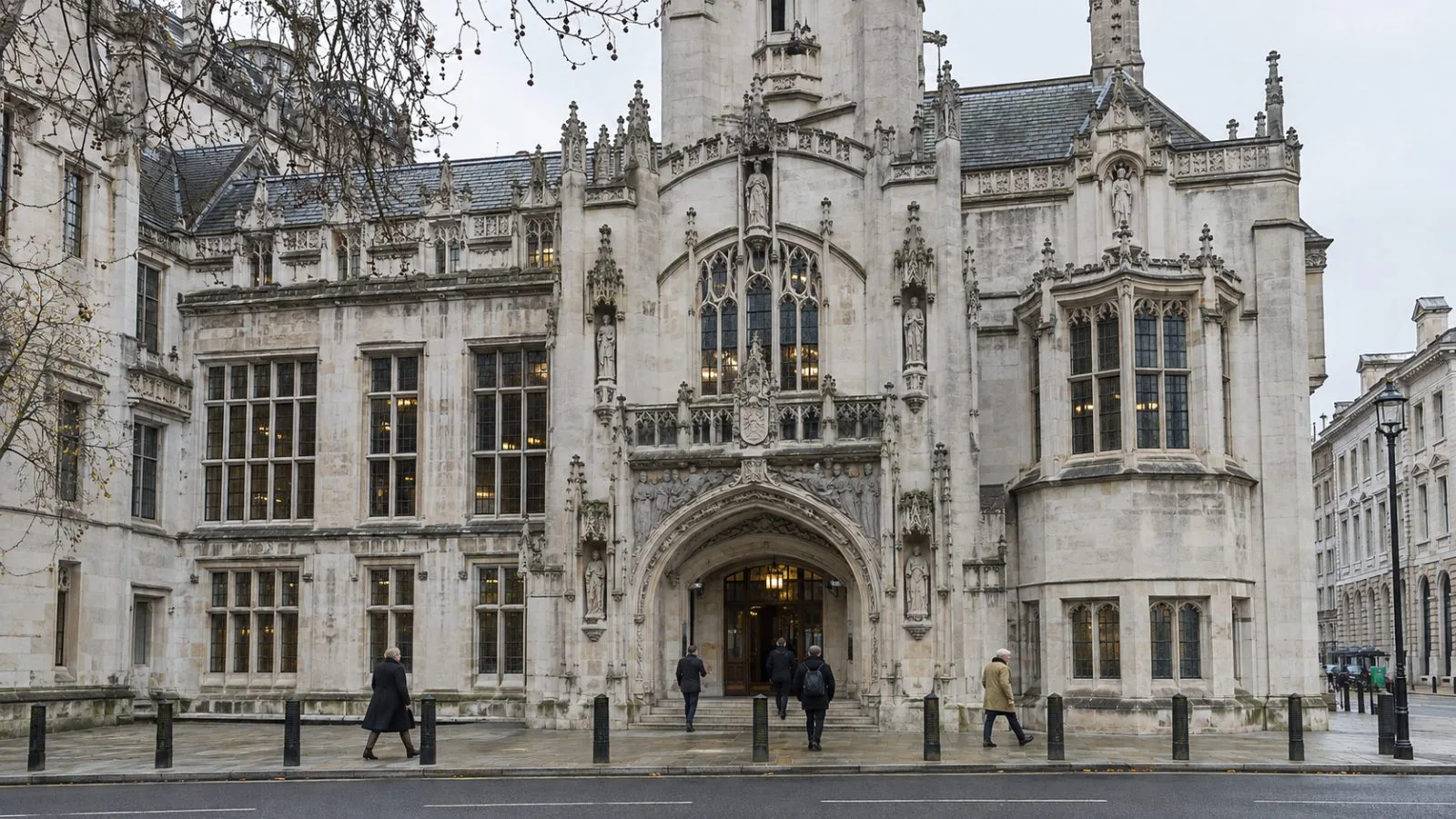
The Privy Council ruled Tuesday that two Trinidad and Tobago provisions in a 1986 law infringe constitutional rights and cannot criminalize private, consensual same-sex relations between adults.
In a unanimous decision by a five-member panel, the court allowed Jason Jones’ appeal and dismissed the attorney general’s cross-appeal. Sections 13 and 16 concern offenses described in the statute as “buggery” and “serious indecency.” The panel said the provisions violated Jones’ constitutional rights, including his right to respect for his private and family life.
The government relied on the Constitution’s savings clause, which can protect certain existing laws from constitutional challenge. The panel said the 1986 act created a new legal regime after the Constitution took effect in 1976, rather than re-enacting earlier provisions. Sections 13 and 16 therefore did not qualify for that protection. The attorney general’s separate challenge over whether the restrictions were reasonably justified also failed. The court found no evidence that the cited tradition remained widely accepted or reflected prevailing social values.
Lord Sales and Lord Burrows wrote for the panel. “The ability to form a deep connection with another person through an intimate and loving relationship is a vital interest for all human beings,” they wrote.
Jones brought his claim under the 1976 Constitution, whose rights protections framed the dispute. He filed it on Feb. 23, 2017. The High Court ruled for him in 2018, but the Court of Appeal partly reversed that decision on March 25, 2025. The judgment also discussed the European Court of Human Rights’ 1981 Dudgeon v. United Kingdom decision concerning Northern Ireland laws criminalizing consensual same-sex relations.
The Privy Council has not issued its final remedial order. The panel left the remedy for a later order, asking the parties for written submissions and indicating that it currently favored keeping the High Court’s remedy. The judgment set no deadline for submissions.