McDonald's, the renowned fast-food chain, has encountered limited boycotts worldwide due to accusations of supporting Israel following the October 2023 attack by Hamas. As pro-Palestinian sentiments gain momentum on social media, these boycotts are now credited with impacting the company's financial performance. Notably, a recent Instagram post by humanitarian clothing brand Wear the Peace showcased a screenshot from The Guardian, a prominent left-leaning British newspaper.
The headline reads, "McDonald's records first sales miss in nearly four years amid boycotts," highlighting the company's association with the perceived pro-Israeli stance.
Backlash and Impact of the Boycotts
Following the October 7 attacks, McDonald's restaurants in Israel faced backlash after donating thousands of meals to Israeli military personnel. This move sparked outrage among Arab McDonald's chains and Muslim customers worldwide. In response, supporters of the Palestinian cause opted to boycott the fast-food giant.
According to Yahoo, Malaysia even resorted to legal action against the boycott movement. The repercussions were not limited to the Middle East, as McDonald's experienced negative effects on sales in Muslim-majority countries such as Malaysia and Indonesia, as well as in Muslim neighborhoods in Western nations like France.
McDonald's recently released its earnings report for the fourth quarter and full year ending December 31, 2023. The report, filed in early February, disclosed that the company witnessed global same-store sales growth of only 3.4 percent in the quarter, falling short of the estimated 4.7 percent. The adverse impact of the war in the Middle East was evident in the Middle East segment, which experienced a decline.
Net Dania reported that the International Developmental Licensed Markets (IDL) segment also reflected this impact, with a modest increase of 0.7 percent. McDonald's CFO Ian Borden acknowledged that the conflict significantly affected the IDL segment's performance, resulting in less than 1 percent of comp sales during the fourth quarter.
CEO Acknowledges Boycott's Material Influence
McDonald's CEO Chris Kempczinski acknowledged that the boycott activity not only affected sales in the Middle East but also impacted restaurants in other Muslim-majority countries like Malaysia and Indonesia and Muslim neighborhoods in Western nations such as France. While McDonald's executives refrained from speculating on the extent of the boycott's influence on restaurant performance, they admitted that it had a material effect.
In response to the boycotts, McDonald's may consider revising its corporate social responsibility initiatives and adopting a more inclusive approach. By prioritizing cultural sensitivity and engaging with local communities, the company can aim to restore its image and market share in affected regions.
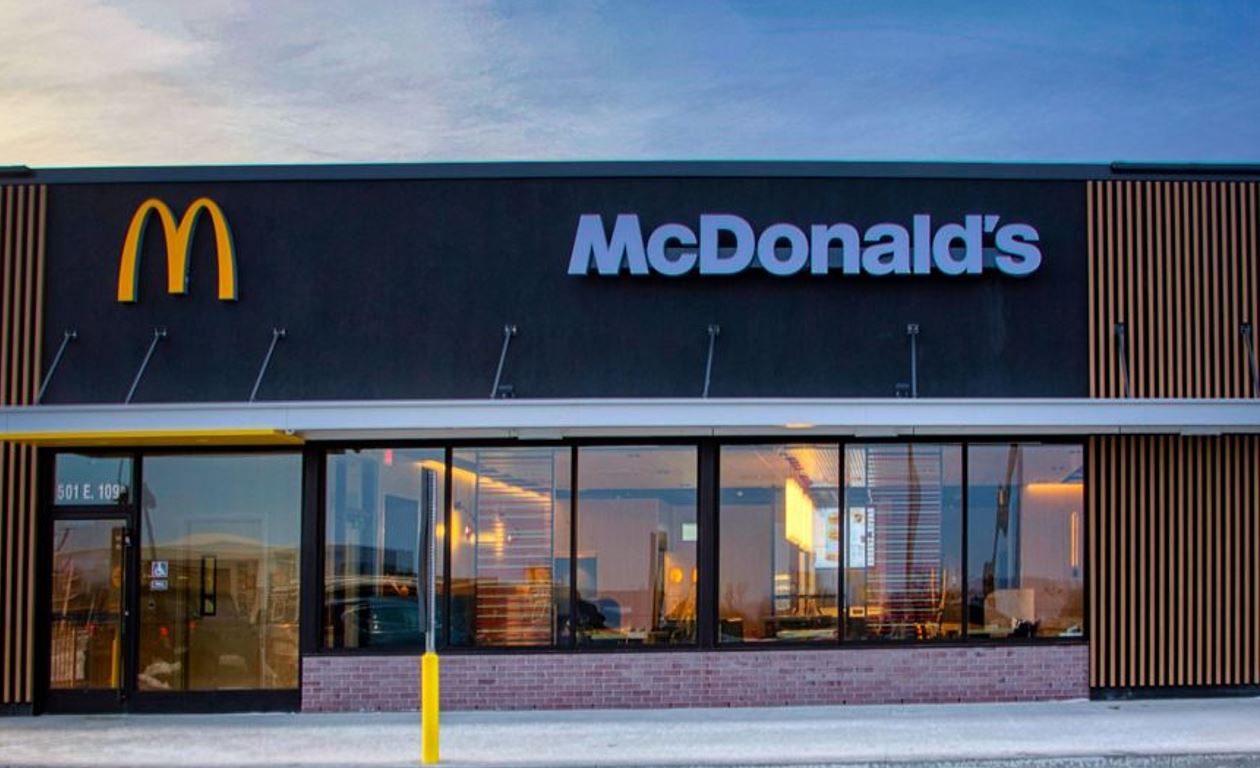
Photo: McDonald's Website