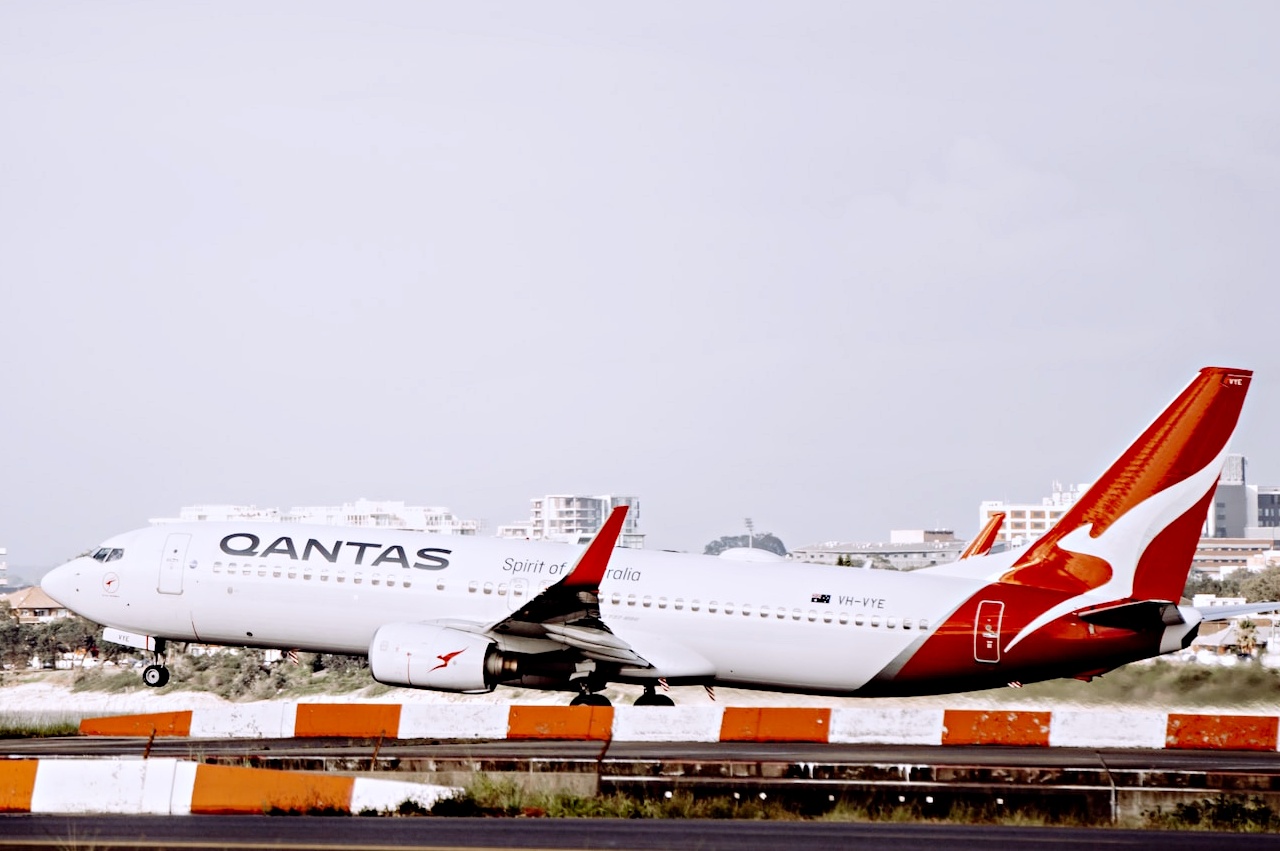
Qantas Airways has revised its jet fuel cost outlook sharply upward and paused a planned share buyback, as escalating conflict in the Middle East disrupts global oil supply and sends aviation fuel prices soaring.
Australia's flagship carrier now estimates its fuel bill for the second half of fiscal 2026 will land between A$3.1 billion and A$3.3 billion — a significant jump from the previously forecast A$2.5 billion. The revision comes after jet fuel prices more than doubled, driven by refinery cutbacks triggered by the loss of crude oil supply from the Middle East.
Although Qantas has hedged a portion of its crude oil exposure, the airline remains vulnerable to widening jet fuel spreads, which have proven harder to insulate against. The speed and scale of the price shock prompted management to take a more conservative financial stance, including shelving a previously announced A$150 million share buyback.
To manage the rising cost burden, Qantas is implementing a multi-pronged strategy. The airline is increasing fares, reducing domestic capacity by roughly five percentage points in the June quarter, and redirecting flights toward high-demand international corridors — particularly Europe. Additional services to Paris and Rome have been added as the carrier shifts capacity away from U.S. routes and its domestic network to capitalize on strong European travel demand.
On the revenue side, Qantas projects its revenue per available seat kilometre to grow between 4% and 6% for international operations and approximately 5% domestically in the half year ending June. However, the airline noted that around half of its fourth-quarter international bookings were confirmed before the crisis began, limiting its ability to fully pass on the cost increases to passengers in the near term.
The developments highlight a broader industry challenge, as geopolitical instability continues to create significant cost pressure across global aviation.