Police data show drug seizures in Quito climbed nearly 500% from January through September 2026 compared with the same period in 2025, as Ecuador directs an expanded security campaign at its capital.
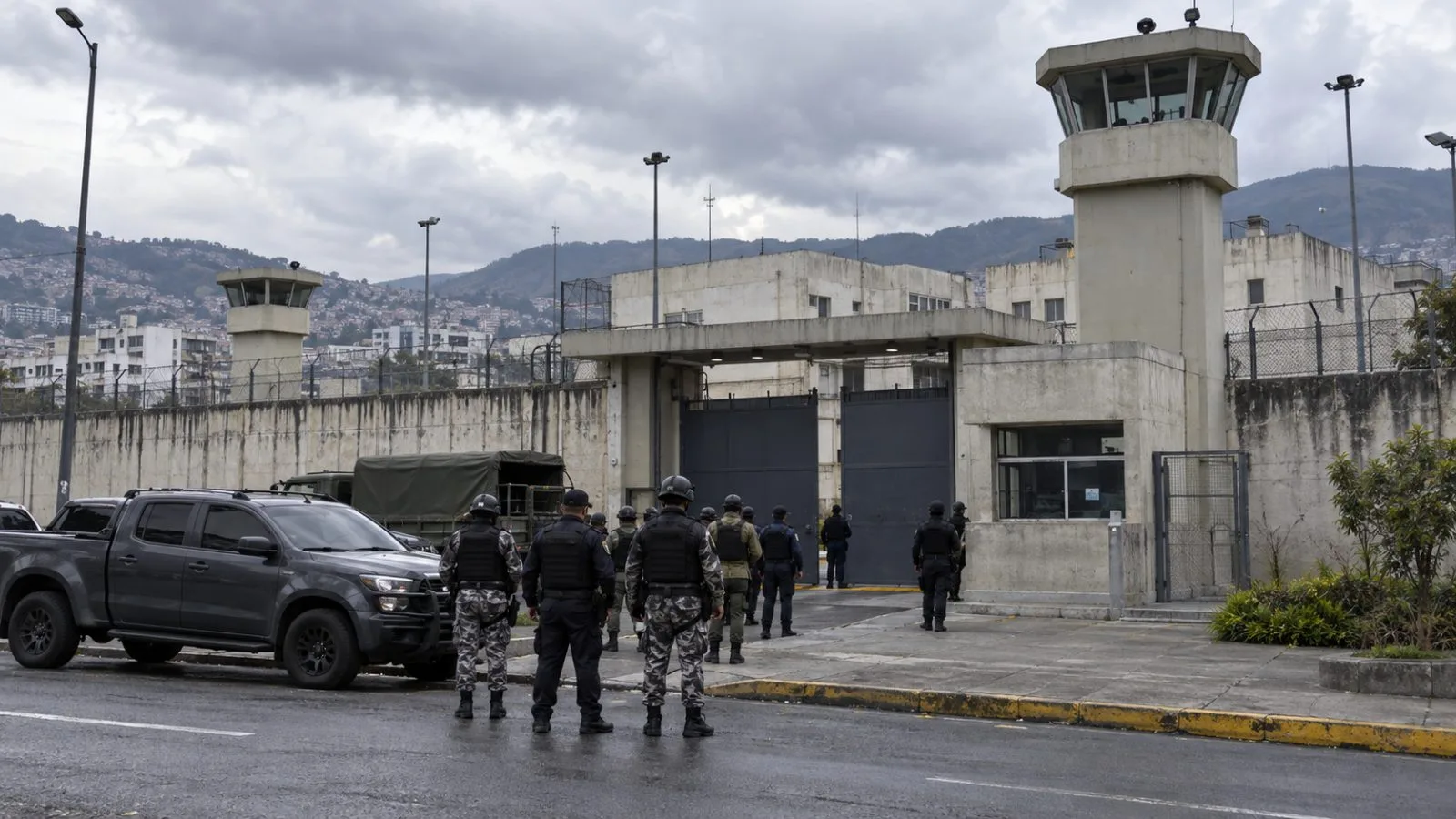
President Daniel Noboa announced a Quito security plan in August, sending about 4,000 police officers and troops to the city’s approaches and major routes. A state of emergency lasting 60 days has applied to the capital since September. National police figures count more than 300 arrests in the plan’s first month and a half. Police and military teams also searched for weapons near neighborhoods designated high risk and carried out targeted patrols.
The campaign comes amid a rise in cocaine traffic through Ecuador from Colombia and Peru over the past half-decade, which Reuters described as part of the backdrop to wider crime and violence in the country. Reuters also reported that arrests and killings of gang leaders can split criminal organizations, prompting factions to compete for new territory. Police Lt. Col. Juan Chacon told Reuters that local drug sales can help gangs establish themselves in Quito and lead into other crimes.
Colonel Mario Pazmino, a former army intelligence chief and security analyst, told Reuters that drugs from Tumaco, a coastal city in Colombia, and Putumayo province cross Ecuador along Pacific and Amazon routes. He called Quito a “hub city,” where gangs protect shipments and pursue other activities.
The heightened security response has coincided with fewer violent deaths in Solanda, a high-risk area. Government records list two deaths there from January through September 2026, compared with 13 in the same months of 2025. Ecuador’s Interior Ministry data show Quito’s annual violent-death count fell in both 2024 and 2025 after reaching 294 in 2023.
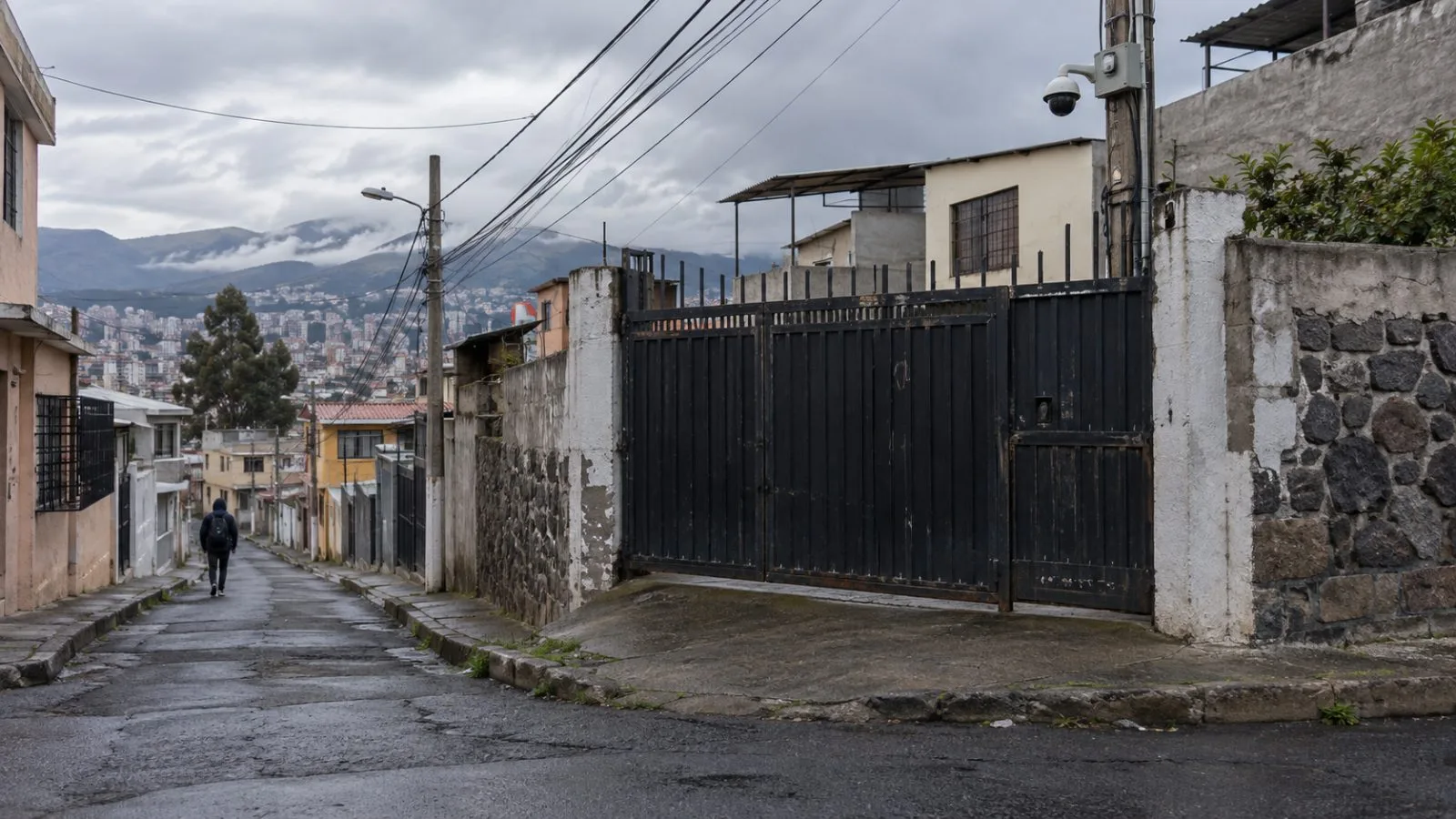
Solanda residents have put cameras on street corners and metal gates at side-street entrances after shootings, killings for hire and extortion spread. The neighborhood watch stopped nighttime patrols because members feared they could be targeted. Community leader Maria Eugenia Alban told Reuters that cameras let residents recognize suspected criminals while limiting their exposure to danger.