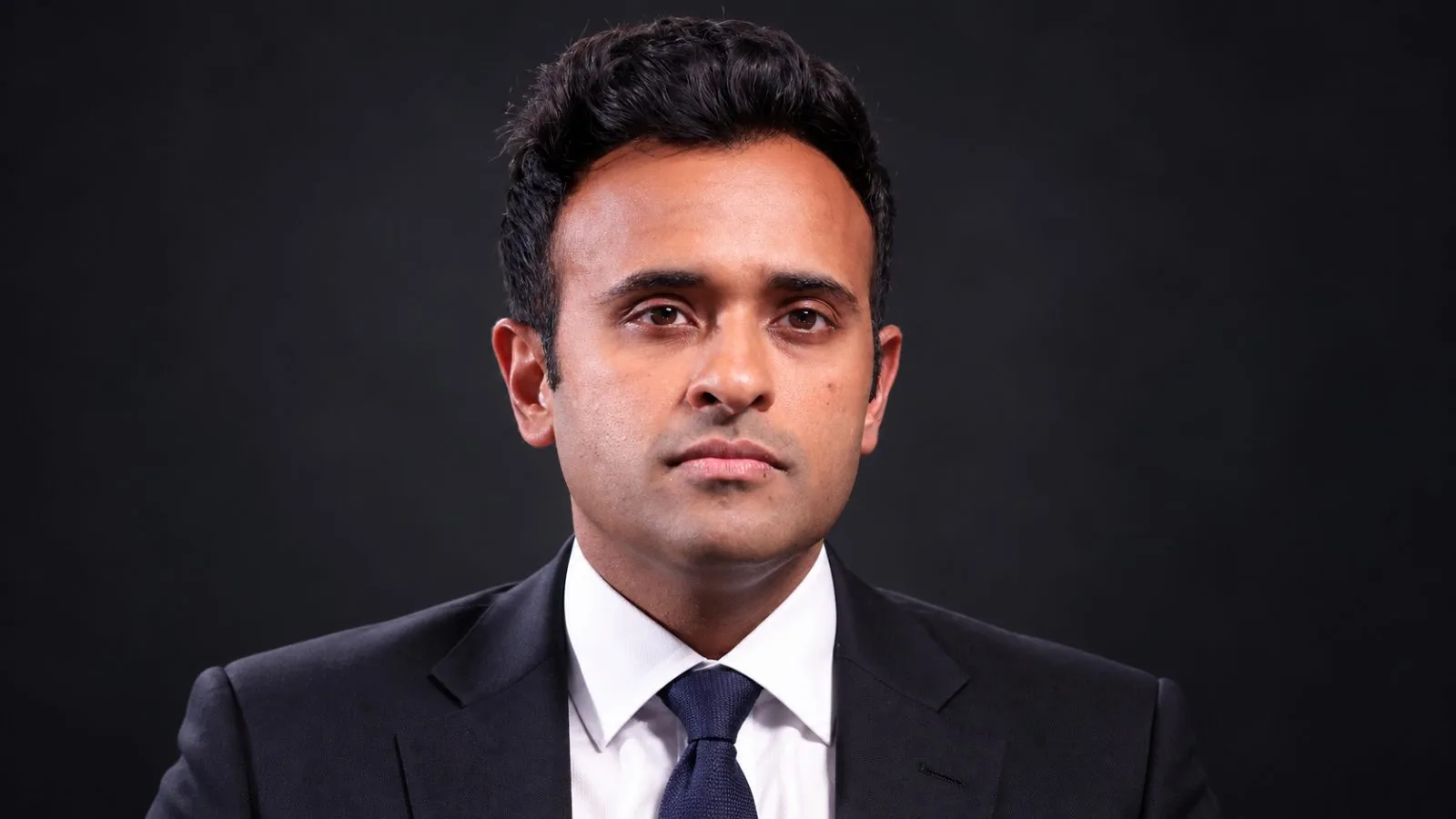
Ohio Republican gubernatorial nominee Vivek Ramaswamy has proposed seven executive orders for his first day in office if elected, including a data-center pause and changes to Medicaid and local funding.
His campaign announced the package Oct. 30. The proposals cover property taxes, immigration enforcement, data centers, Medicaid, violent-crime clearance, state contracts and fraud.
One order would direct the Ohio Department of Taxation to examine property-tax changes across counties, townships, municipalities, school districts and special districts, consulting the Auditor of State. The plan calls for a full investigation in jurisdictions where property-tax totals have more than doubled since 2020.
Another proposal would make local governments that fail to honor federal immigration detainers or share information as federal law permits ineligible for grants administered by state executive agencies. The campaign includes public-safety and homeland-security grants among those that could be affected, and says it would refer the sanctuary-city policy for possible legal action.
For data centers, the proposed order would suspend state processing of new projects as lawmakers develop a statewide framework. The campaign's Oct. 30 release says the pause would end when legislation passes, while its platform says it would last until the law takes effect. The platform proposes that residents in a project's benefit zone pay nothing for home electricity and receive lower property taxes. It says data centers would pay full property taxes, with revenue funding homeowner rebates. The campaign frames the plan as a response to concerns about electricity bills, noise, pollution and local benefits.
The Medicaid proposal would have Ohio seek a federal Section 1115 waiver to cap program spending, modeled on Tennessee's TennCare III. The Centers for Medicare & Medicaid Services (CMS) approved Tennessee's demonstration in 2021, allowing the state to qualify for up to 55% of savings if it spent below its cap and met quality targets. Ohio's proposed waiver has not been approved.
The remaining plans would make violent-crime clearance rates a priority in discretionary local law-enforcement funding, review executive contracts using Ohio's General Revenue Fund and create an anti-fraud task force reporting to the governor. The campaign cites a 34% clearance rate but gives no reporting period or target. It says the task force would cover areas including Medicaid, child-care and benefits fraud, visa and voter-registration fraud, trucking fraud, foreign commercial driver's license licensure and public entities' abuse of foreign hiring.
Ohio's election is Tuesday, Nov. 3. State law sets the governor's term to begin Jan. 11, 2027, and Ramaswamy says he would sign the orders that day if elected.