Ripio co-founder and CEO Sebastian Serrano said its six Latin American stablecoins have about $15 million in supply as the company connects them to payment networks and foreign-exchange services.
During a Nov. 9 interview with Bankless, Serrano said the tokens track the currencies of Argentina, Brazil, Chile, Colombia, Mexico and Peru. Ripio’s product had $800,000 under management when it launched in November 2025, and Serrano said it now records about 46,000 active addresses per month.
Ripio announced on Sept. 16 that its full six-token suite was live on the Arc blockchain. The company says each token is pegged to its local currency and backed by reserves held at regulated financial institutions.
Serrano said practical demand comes from bills and contracts that are generally denominated in local currencies, even in places where people use dollars to protect their savings. He said Argentine users have bought Ripio’s Brazilian real token for carry trades that seek to capture interest-rate differences.
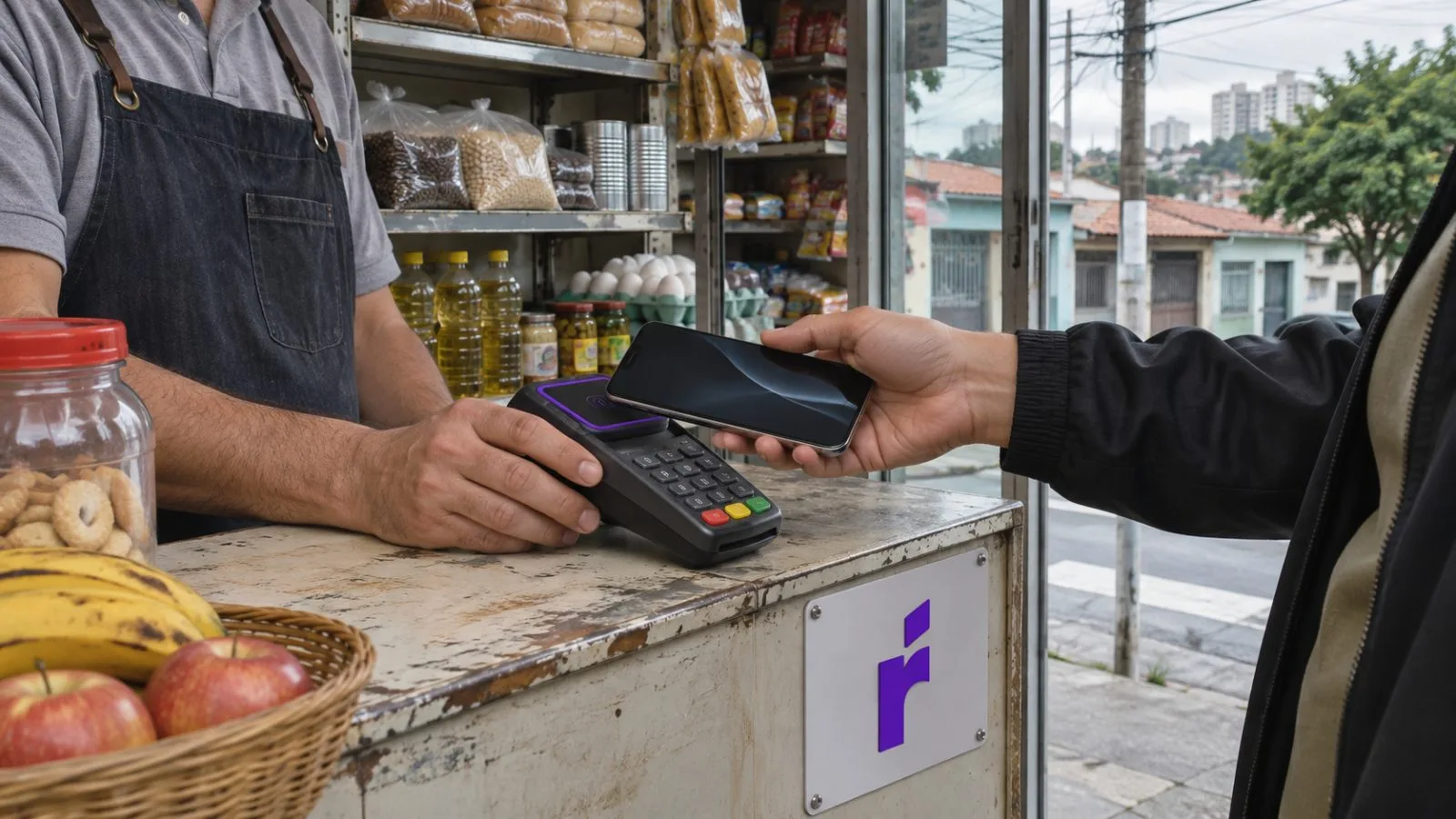
Serrano cited Brazil’s Pix network as an example of local payment infrastructure, describing it as a source of inexpensive, immediate transfers that also connects bank payments with QR-code transactions. He said Ripio’s licenses and banking relationships help it connect its tokens to networks such as Pix.
Serrano said Ripio built its business model around managing the float to subsidize deposits and withdrawals. The goal, he said, is for users to receive a matching amount of local-currency tokens when they deposit local money.
Most current swaps are under $200, Serrano said. Ripio is experimenting with changes to Uniswap pools, but he said larger trades would require other approaches, such as order books or request-for-quote systems. The company is also working on integrations with banks, fintech companies and wallets, he said.
EconoTimes has also covered stablecoin use in Latin American transactions.