Former North Carolina Governor Roy Cooper has established a commanding lead over Republican Michael Whatley in the 2026 US Senate race, campaigning on healthcare affordability and rising living costs in a state that has not elected a Democratic senator in nearly two decades.
Cooper, 69, has centered his campaign on a straightforward promise to “make stuff cost less,” highlighting his record of expanding Medicaid and working with Republican lawmakers. An October SurveyUSA poll showed Cooper leading Whatley by 14 percentage points ahead of the November 3 midterm elections.
The Democratic candidate has criticized President Donald Trump’s healthcare policies, arguing that Republican-backed spending cuts and reduced Affordable Care Act subsidies have increased financial pressure on North Carolina families.
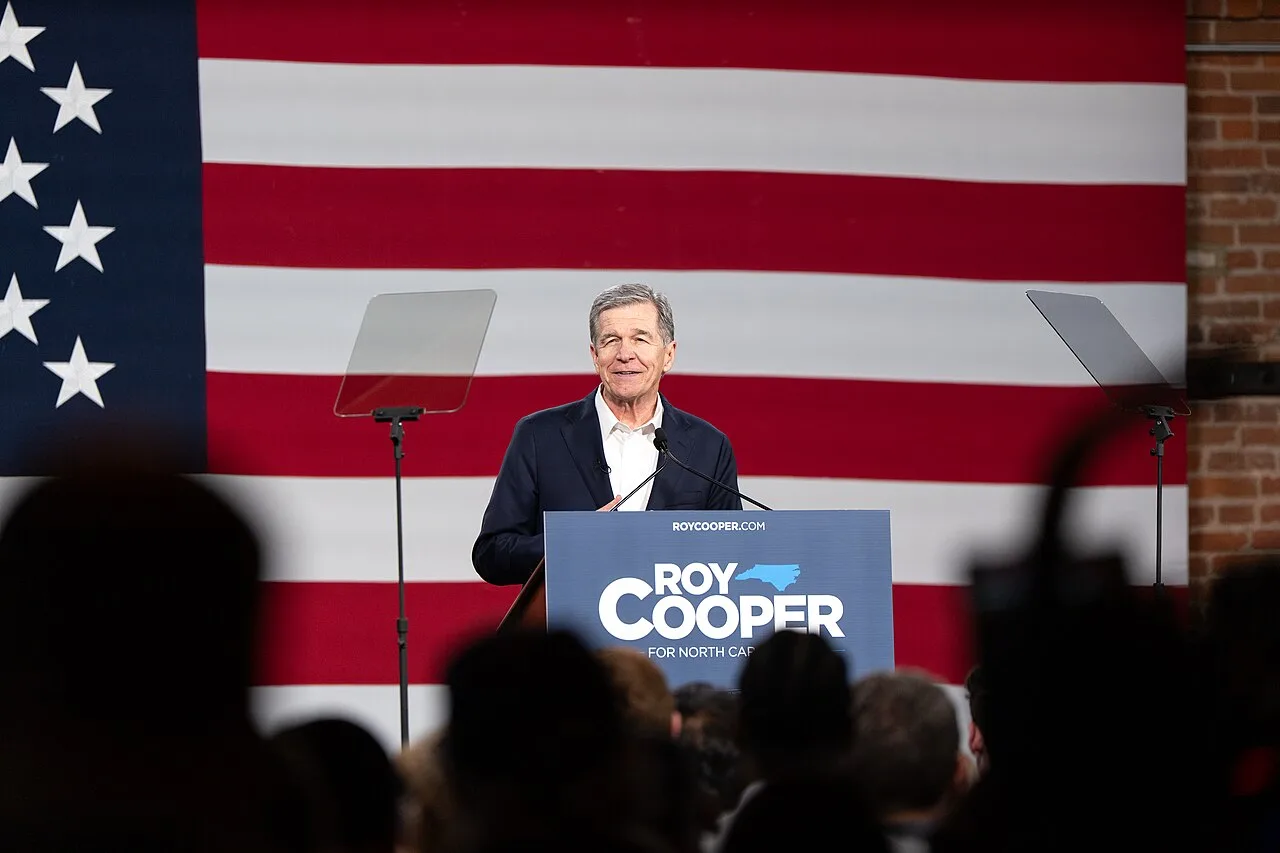
At a September 26 rally in Raleigh, Cooper said residents should never have to choose between medical treatment and basic necessities. The White House maintains that Trump's tax and spending legislation protects Medicaid eligibility while reducing fraud and delivering tax relief.
Cooper's campaign has gained momentum as Senate Republicans redirect advertising resources toward competitive races in Iowa and Kansas. Trump is scheduled to campaign for Whatley, a former Republican National Committee chairman seeking his first elected office.
North Carolina's large independent electorate could prove decisive. Unaffiliated voters represent approximately 40% of registered voters, while Democrats and Republicans each account for roughly 30%.
National polling also suggests challenges for Republicans. An October Reuters/Ipsos survey placed Trump's approval rating near 32%, while Democrats held a 44% to 37% advantage among registered voters nationally.
Healthcare remains central to Cooper's political appeal. During his governorship, he spent six years negotiating Medicaid expansion with Republican legislators, securing approval in 2023. The policy extended health insurance coverage to more than 700,000 North Carolina residents.
However, subsequent federal healthcare changes threaten those gains. The Congressional Budget Office estimates that Trump's sweeping budget legislation will reduce Medicaid spending by approximately $1 trillion. Meanwhile, KFF estimates that more than 200,000 North Carolinians lost marketplace insurance coverage following the expiration of enhanced federal subsidies.
Political analysts suggest Cooper's moderate approach could provide a model for other Democrats, including Kentucky Governor Andy Beshear, seeking support beyond traditional party lines.
With Republicans holding a 53-47 Senate majority, Democrats need a net gain of four seats to regain control. Cooper's strong polling makes North Carolina a critical battleground in that effort.