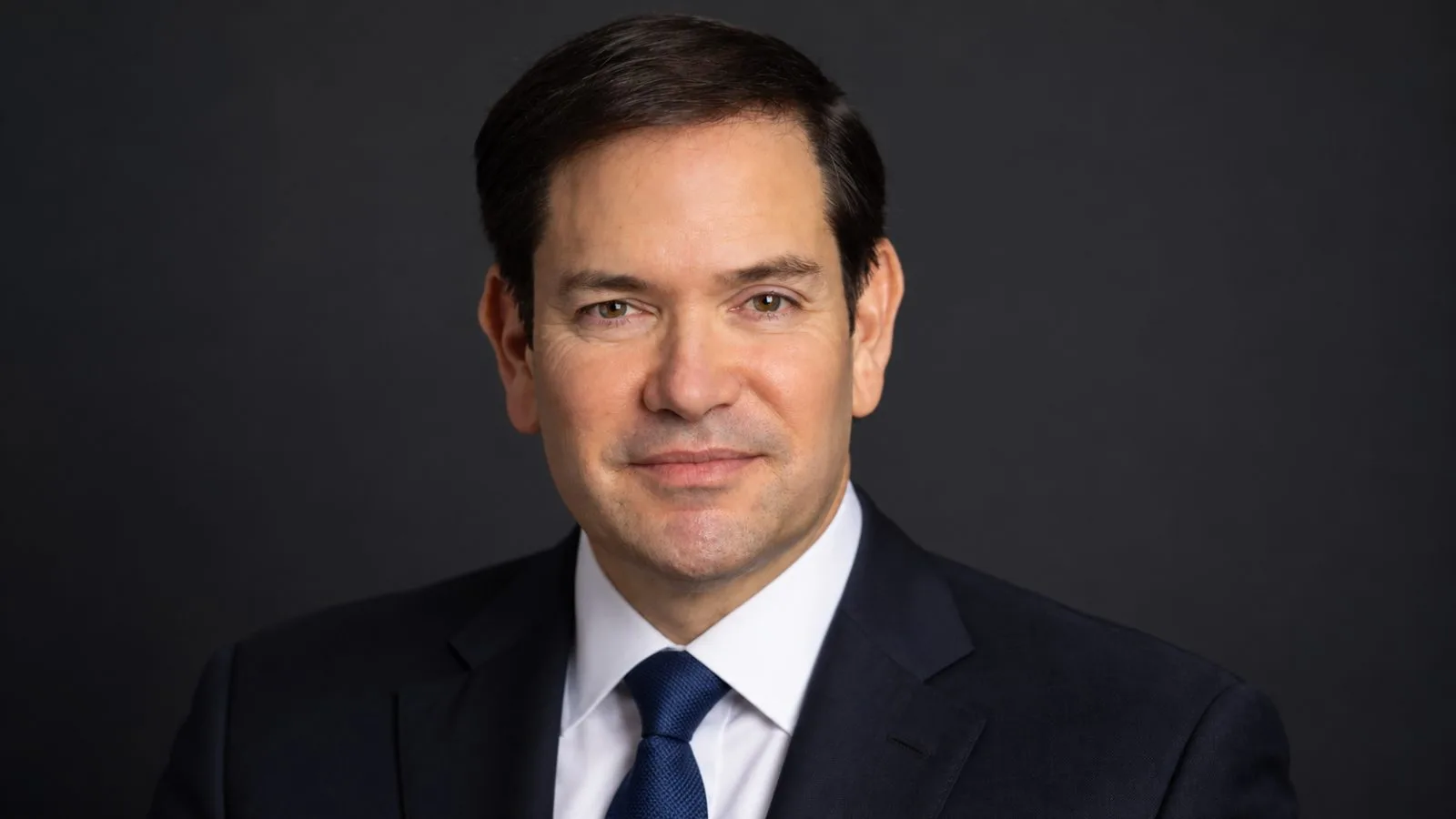
U.S. Secretary of State Marco Rubio tied Western renewal to stronger industry, defense and European alliances in an Athens speech that Andrew Earvolino says revives an interventionist vision of U.S. power.
At the Pnyx in Athens on Oct. 7, Rubio urged the United States to strengthen domestic manufacturing and defense, secure critical supply chains and compete in emerging technologies. He also called for closer cooperation with Europe and described the project as an “unapologetic pursuit of national power.” He presented national sovereignty and production at home alongside military strength as foundations for Western renewal.
Rubio said statecraft requires diplomacy as well as the ability to use force if diplomacy fails. He criticized Iran’s clerical rulers, but the address announced no new operation against Iran.
Andrew Earvolino, a senior communications associate at the Quincy Institute, challenged the speech in an Oct. 26 commentary for Responsible Statecraft. He argued that Rubio’s civilizational framing gives an older interventionist agenda renewed appeal and warned that the approach could overextend the United States. Those are Earvolino’s interpretations; Rubio’s speech also explicitly included diplomacy.
The comparison with the George W. Bush administration has limits. Its September 2002 National Security Strategy backed democracy promotion abroad and said the United States could act preemptively against sufficiently serious national security threats, particularly those involving terrorists or weapons of mass destruction. Rubio’s Athens address paired calls for military strength and alliances with domestic production, national sovereignty and diplomacy.
Sen. Roger Wicker of Mississippi offered one application of Rubio’s alliance message in a weekly report from his office on Oct. 19. Supporting continued U.S. aid for Ukraine, Wicker cited Rubio’s call for transatlantic unity and said the policy did not require sending U.S. soldiers.