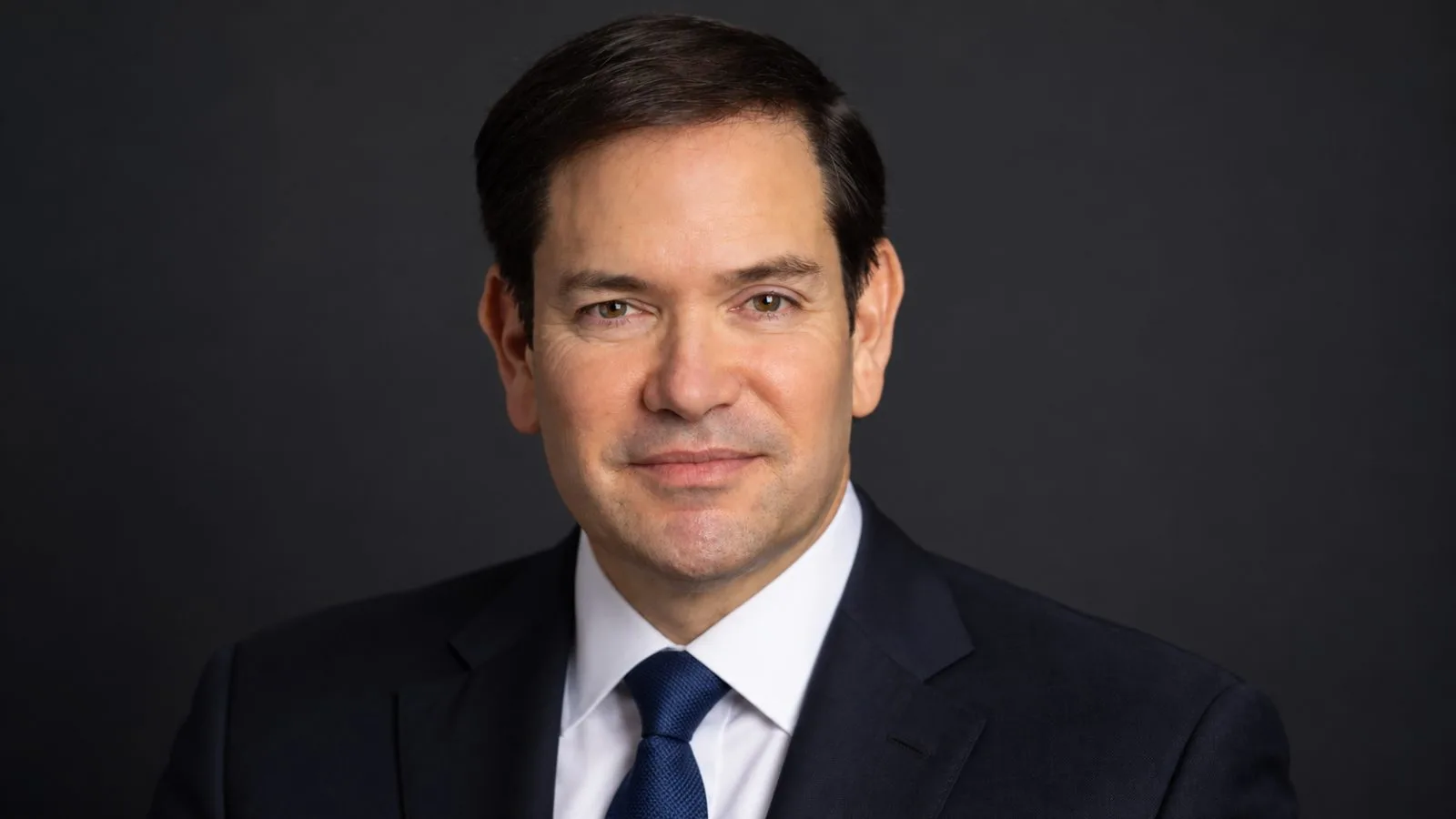
U.S. Secretary of State Marco Rubio said a trade agreement with India could be finalized within weeks, offering a near-term timetable for talks that will determine tariff treatment for some Indian exports.
In an interview published Oct. 21 by The Indian Express, Rubio estimated that 99% of the work was complete. He said negotiators were working through the agreement’s wording but did not identify the provisions at issue or give a signing date. Rubio did not specify whether his estimate applied to an interim pact or the broader bilateral agreement under negotiation.
The two governments announced a framework for an interim trade agreement in February while pursuing the broader pact. The framework calls for an 18% U.S. reciprocal tariff on specified Indian goods. It says the United States would remove reciprocal tariffs on a wide range of specified goods if the interim agreement is successfully concluded.
The framework also calls for India to reduce tariffs on U.S. industrial goods and some food and agricultural products. Those terms would expand access for U.S. exporters, while the proposed tariff removal for Indian goods depends on completion of the interim pact.
Rubio told The Indian Express that U.S. tariffs were not intended to harm India, although he acknowledged they could strain relations. The United States ended an additional 25% duty imposed over India’s Russian oil purchases for covered goods entering the country from Feb. 7. The White House order allows officials to recommend reinstating it if they find India has resumed those imports.
A separate White House order issued Oct. 16 establishes a 100% additional duty on goods from the five largest importers of Russian-origin crude oil and natural gas if they knowingly make qualifying new purchases on or after Oct. 18. The order waives the duty pending a further decision.
On visas, Rubio said U.S. policy changes apply globally, though many Indian applicants seek visas in some affected categories. A September White House proclamation continued restrictions on certain H-1B petitions for workers outside the United States unless the petitioning employer pays $100,000, subject to exceptions. The proclamation cites protection of U.S. workers as its rationale.