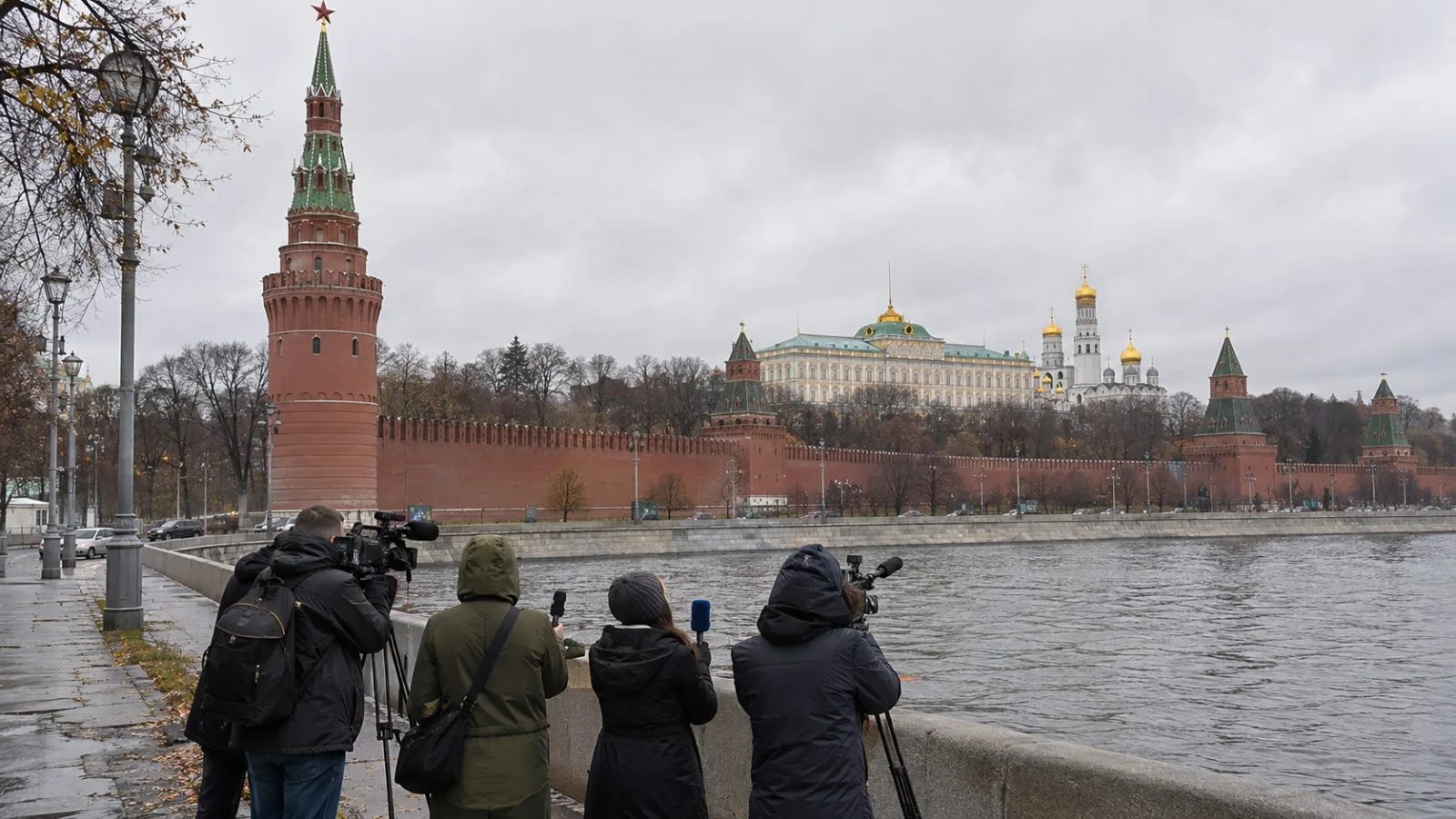
Russia has renewed its demand to return NATO forces to their 1997 configuration, raising a dispute in Ukraine peace talks involving U.S. envoys and European governments.
Russian presidential aide Yury Ushakov laid out Moscow’s position after President Vladimir Putin met U.S. envoys on Nov. 12. He said Russia wanted NATO forces returned to their arrangement when the alliance and Moscow signed the NATO-Russia Founding Act on May 27, 1997. He also reiterated demands to halt NATO enlargement and restrict weapons Russia considers threatening near its borders.
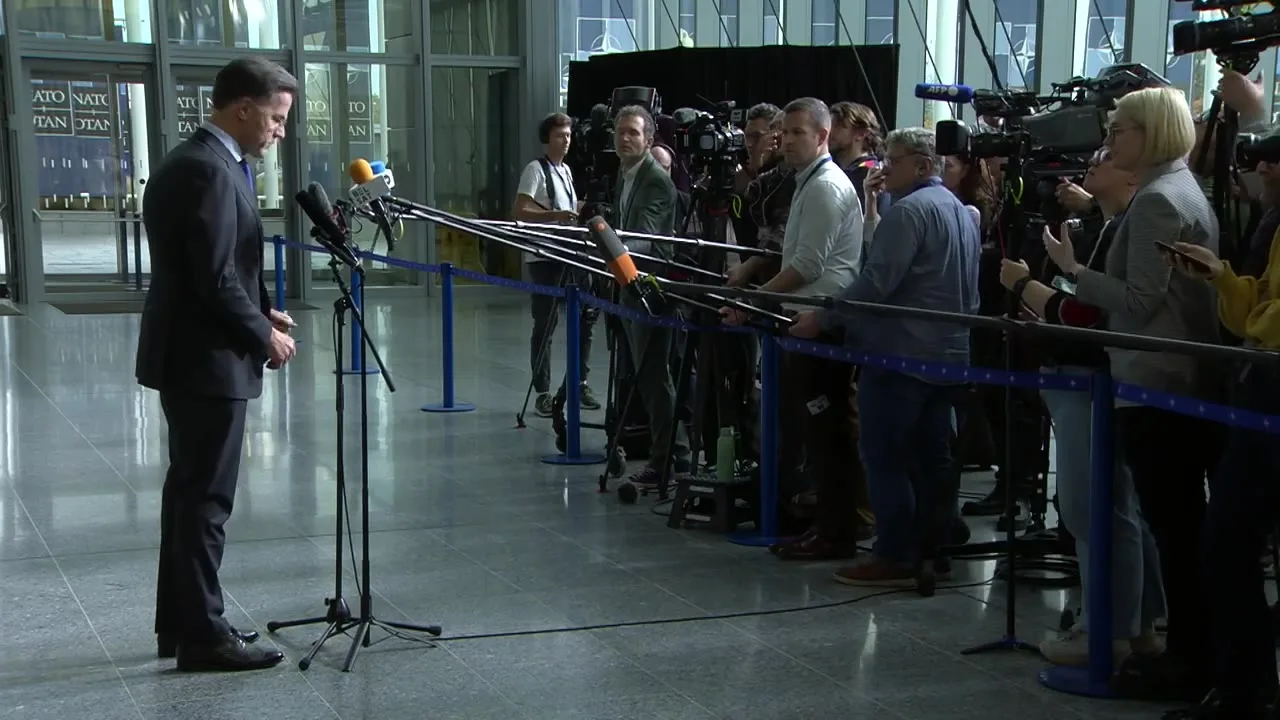
At a Nov. 16 news conference, European Union foreign policy chief Kaja Kallas opposed efforts to roll back NATO. She said a ceasefire should take priority, followed by a peace agreement, with talks on wider security arrangements coming afterward. “We do not need a new security architecture,” Kallas said.
The New York Times reported that an unsigned paper dated Nov. 10 and circulated during talks in Abu Dhabi called for NATO troops and bases to withdraw to their 1997 positions. The paper also called for Western countries to stop supplying weapons to Ukraine, the newspaper reported. It has not been released publicly.
NATO has expanded since 1997: Czechia, Hungary and Poland joined in 1999, Finland in 2023 and Sweden in 2024. Since Estonia, Latvia and Lithuania joined in 2004, NATO allies have supplied aircraft for the Baltic states’ air defense. NATO says those deployments rotate every four months.
The Founding Act did not give either NATO or Russia authority to block the other’s decisions. Russia later proposed force limits in a December 2021 draft agreement. The proposal would have restricted Russia and countries that belonged to NATO on May 27, 1997, from deploying additional forces and weapons in other European states beyond those present on that date. It did not become an agreement in force.
Kallas said the EU had agreed on who would speak for Europe at the next round of talks, following earlier discussions over Europe’s representation in the negotiations. She gave no date for that round.