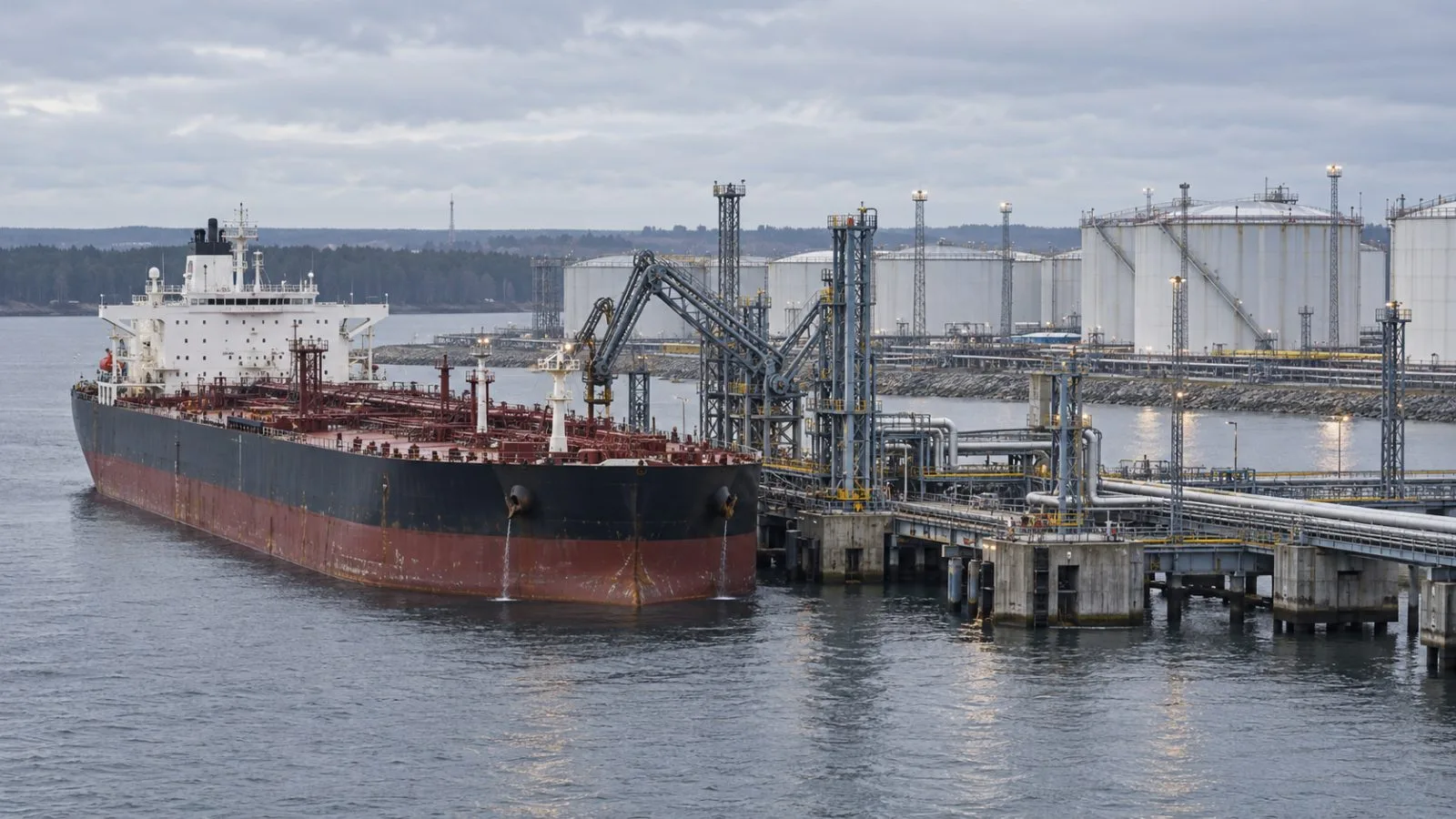
Russia’s oil and gas budget revenue fell 17.2% in the first nine months of 2026, while the Iran war pushed crude prices higher, leaving the fiscal effect on Moscow uncertain.
Russia’s Finance Ministry reported preliminary receipts of 5.471 trillion rubles from January through September, compared with 6.609 trillion rubles in the same period of 2025. The nine-month comparison does not isolate the effect of September’s rise in crude prices.
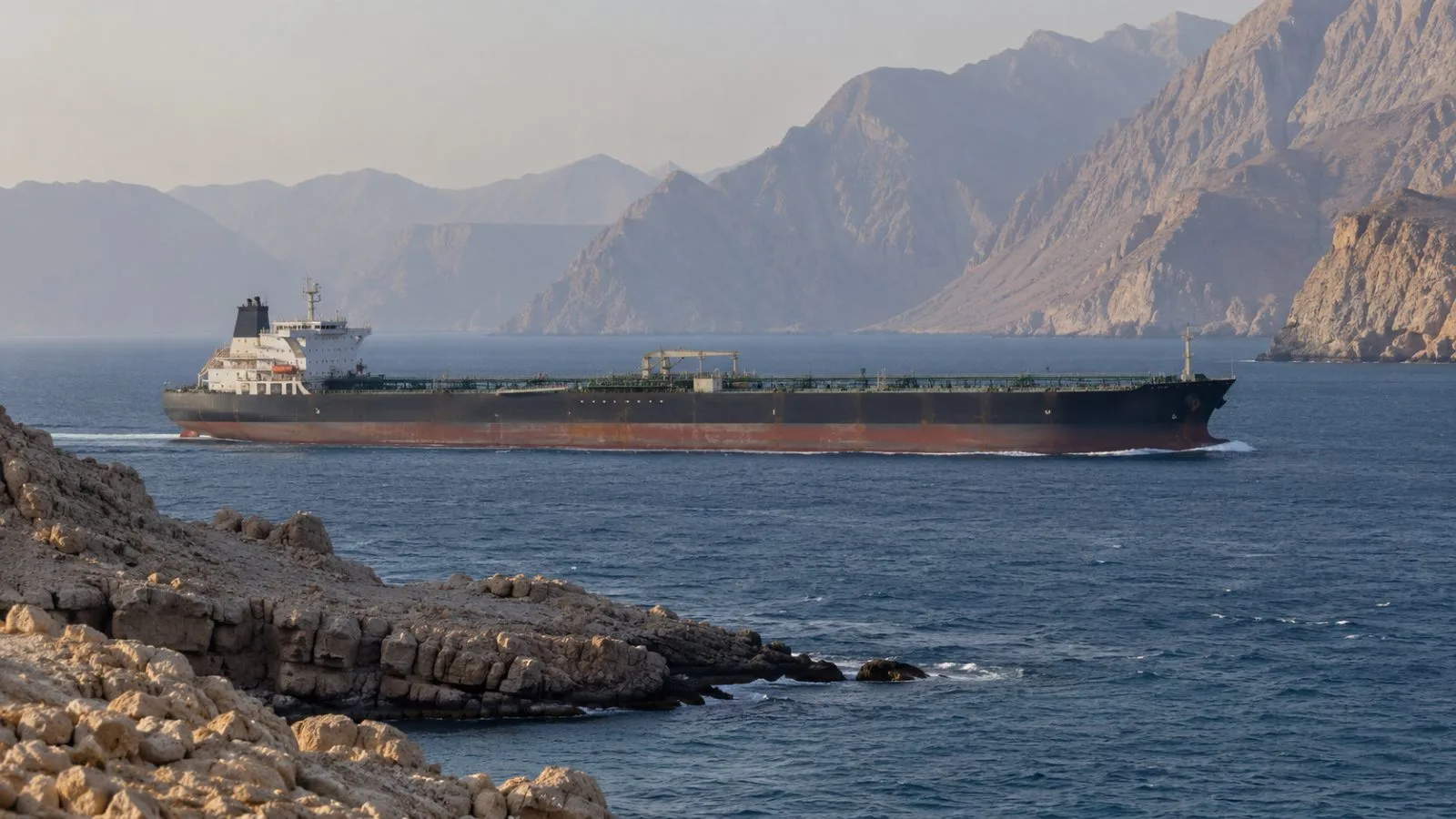
The International Energy Agency (IEA) estimated that 10.9 million barrels of crude oil and oil products moved through the Strait of Hormuz each day in September. The comparable average for 2025 was about 20 million barrels a day. North Sea Dated crude averaged $116.89 a barrel in September, up $26.17 from August.
Higher oil prices present a potential gain for exporters, while costly diesel affects buyers farther along the supply chain. The IEA said diesel prices were pushing up the cost of goods, squeezing real incomes and hurting economic activity.
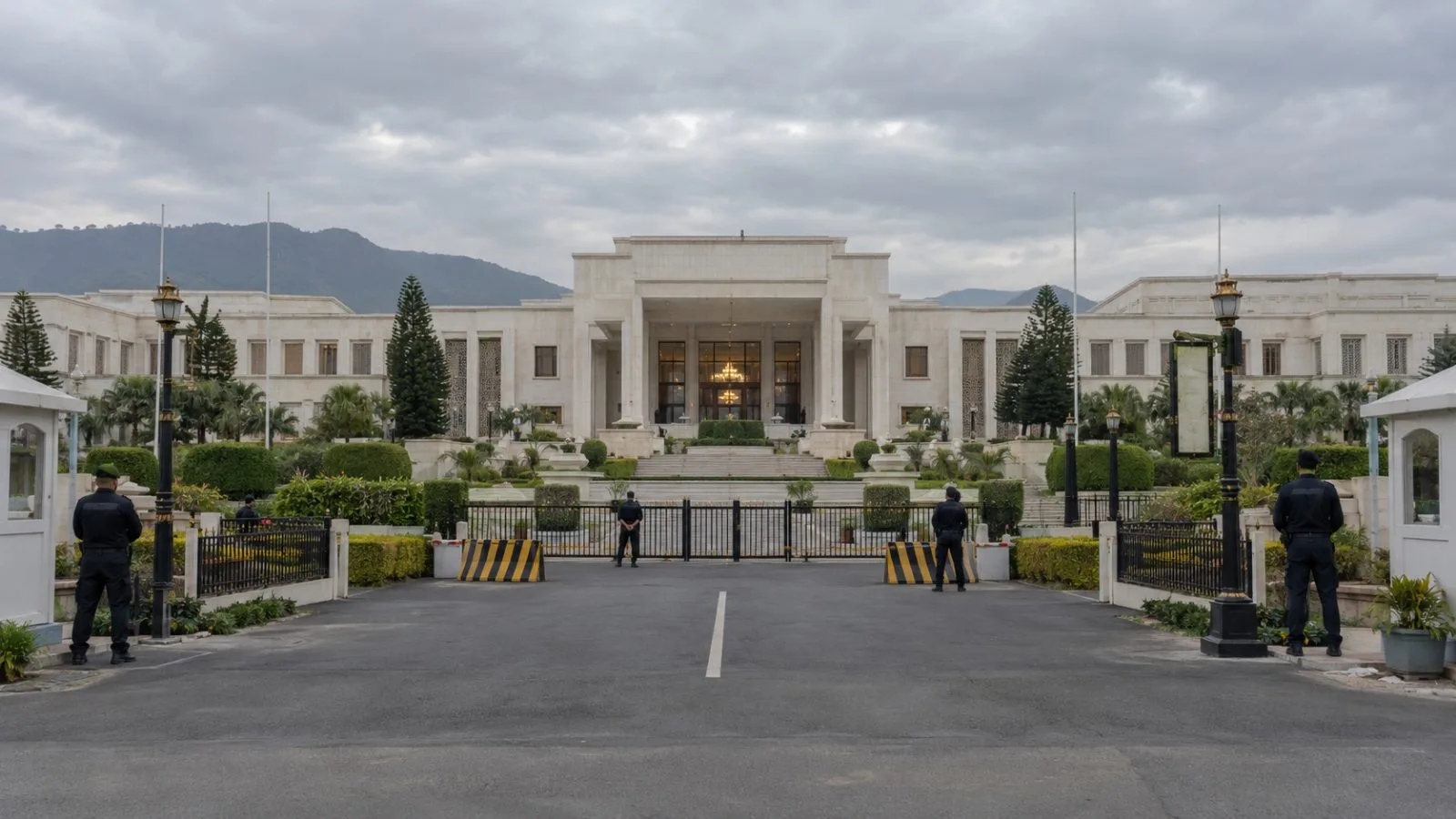
Russian Foreign Minister Sergey Lavrov held talks in Tehran on Oct. 19 with Iranian President Masoud Pezeshkian and Iranian Foreign Minister Abbas Araghchi. Lavrov offered Moscow’s help in seeking a negotiated end to the war. The Russian Foreign Ministry quoted him as saying, “Russia wants stability, including stable prices.”
The United States has eased some restrictions on Russian fuel trade. On Oct. 9, the Treasury Department authorized transactions involving Russian-origin diesel, including imports into the United States. The license expires at 12:01 a.m. ET on April 7, 2027. President Donald Trump waived specified new sanctions and duties under the Lindsey O. Graham Sanctioning Russia and Iran Act of 2026 on Oct. 16. His order says certain pre-existing Russia sanctions imposed under executive orders remain unaffected.
Separately, the IEA said refinery damage has reduced Russian gasoil production and exports. It assessed that easing restrictions on Russian diesel exports would be unlikely to materially change the global gasoil balance because operating refinery capacity remains limited. The agency said gasoil stocks in countries of the Organization for Economic Cooperation and Development were at their lowest since November 2023, when inventories were recovering after the 2022 energy crisis.
The IEA is scheduled to release its next Oil Market Report on Nov. 13 at 4 a.m. ET.