AURORAH GeoSignal Intelligence’s analysis, reported by the Associated Press, found Russian satellite activity near Saudi sites linked to 40 attacks by Houthi forces and Iraqi militias, raising questions about support for strikes on energy infrastructure.
AP said the Geneva-based firm compared the locations of missile and drone attacks from July 1 through Oct. 19, 2026, with satellite movements. Founder Nawaf Obaid said AURORAH’s catalog covered more than 11,000 spacecraft, of which the firm classified 72 as Russian reconnaissance satellites. He said analysts checked their routes against military activity and called the overlap a “100% match.” The satellite overlap alone does not establish that targeting data reached an armed group or guided a particular strike. EconoTimes previously covered AURORAH’s satellite analysis.
For a Houthi strike on King Fahd Air Base in Taif, AP reported that AURORAH’s satellite count over the base during the surrounding three days was 50% above its July level. Italy’s Defense Ministry said an Italian F-2000 aircraft was hit at the base and no Italian military personnel were involved.
An unnamed senior Houthi leader told AP that Iranian advisers in Yemen gave the group information derived from Russian satellite intelligence. AURORAH told AP it had not intercepted an intelligence transfer to Iran or its allies. On its website, the firm describes its conclusions as analytical assessments and says it does not conduct communications interception. AP said Russian officials had no immediate comment when it asked about the allegations.
Rayed Krimly, Saudi Arabia’s deputy minister for public diplomacy at the Foreign Ministry, told AP that Riyadh regularly raises the allegations with China and Russia. “We do discuss these matters regularly with China and Russia,” he said.
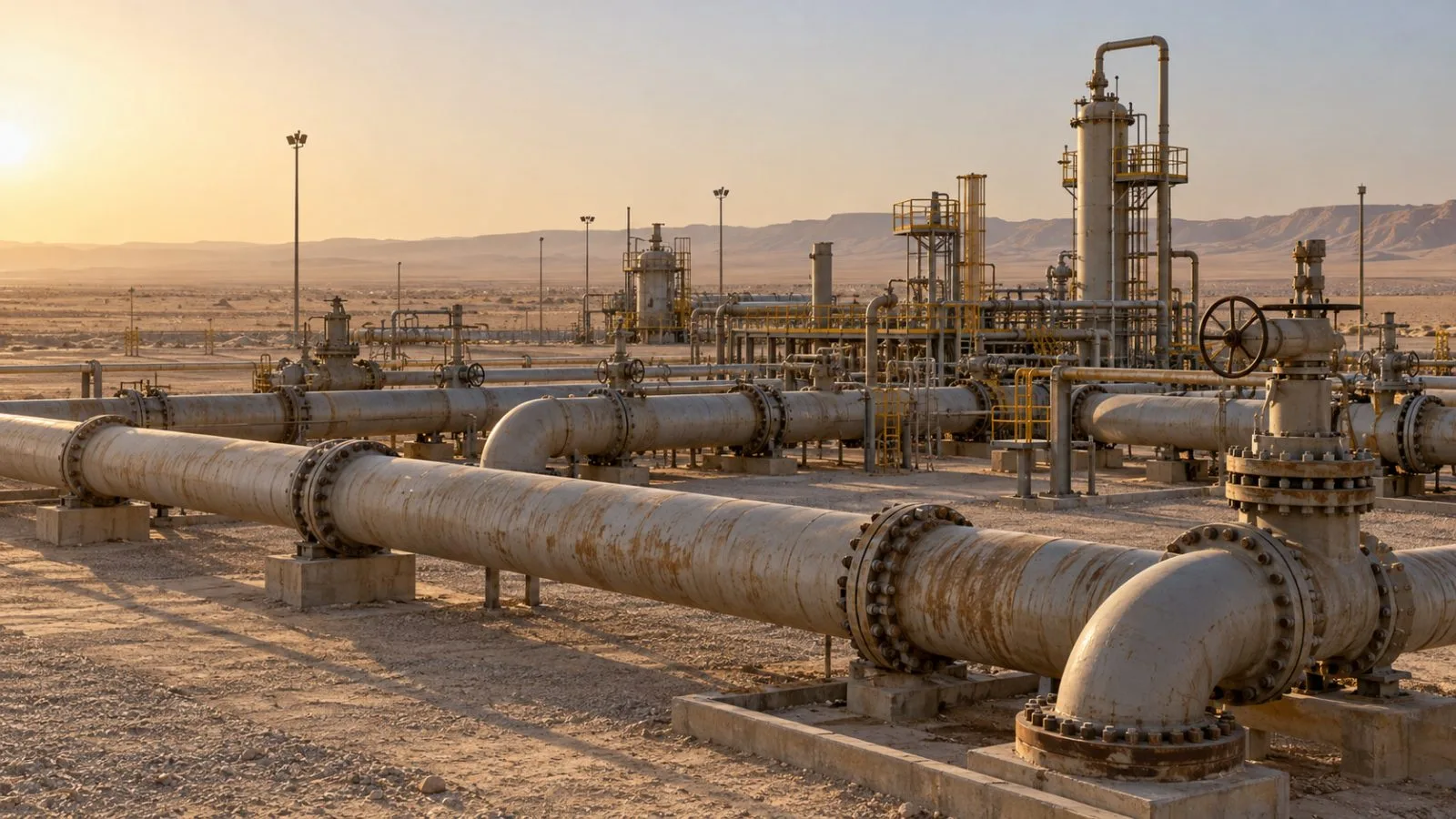
Saudi Arabia’s Ministry of Energy said it halted East-West Pipeline operations after attacks in the Riyadh and Medina regions on Sept. 10, citing safety concerns and reporting injuries without assigning responsibility. AP reported that Saudi officials said the drones came from Iraq and Iraq’s prime minister’s office placed the launch site in Maysan province. Those statements did not name the armed group responsible.
The Saudi Press Agency reported that the Saudi-led coalition brought down a drone it identified as launched by the Houthis in the Makkah Region on Oct. 30.
A 2015 United Nations Panel of Experts report said Houthi forces took weapons, including tanks, during their September 2014 takeover of Sana’a. It cited interlocutors who described former President Ali Abdullah Saleh as supporting the Houthis, including through the Republican Guard’s acquiescence, and recounted allegations of collusion by Saleh and other former-regime figures during the Amran takeover.