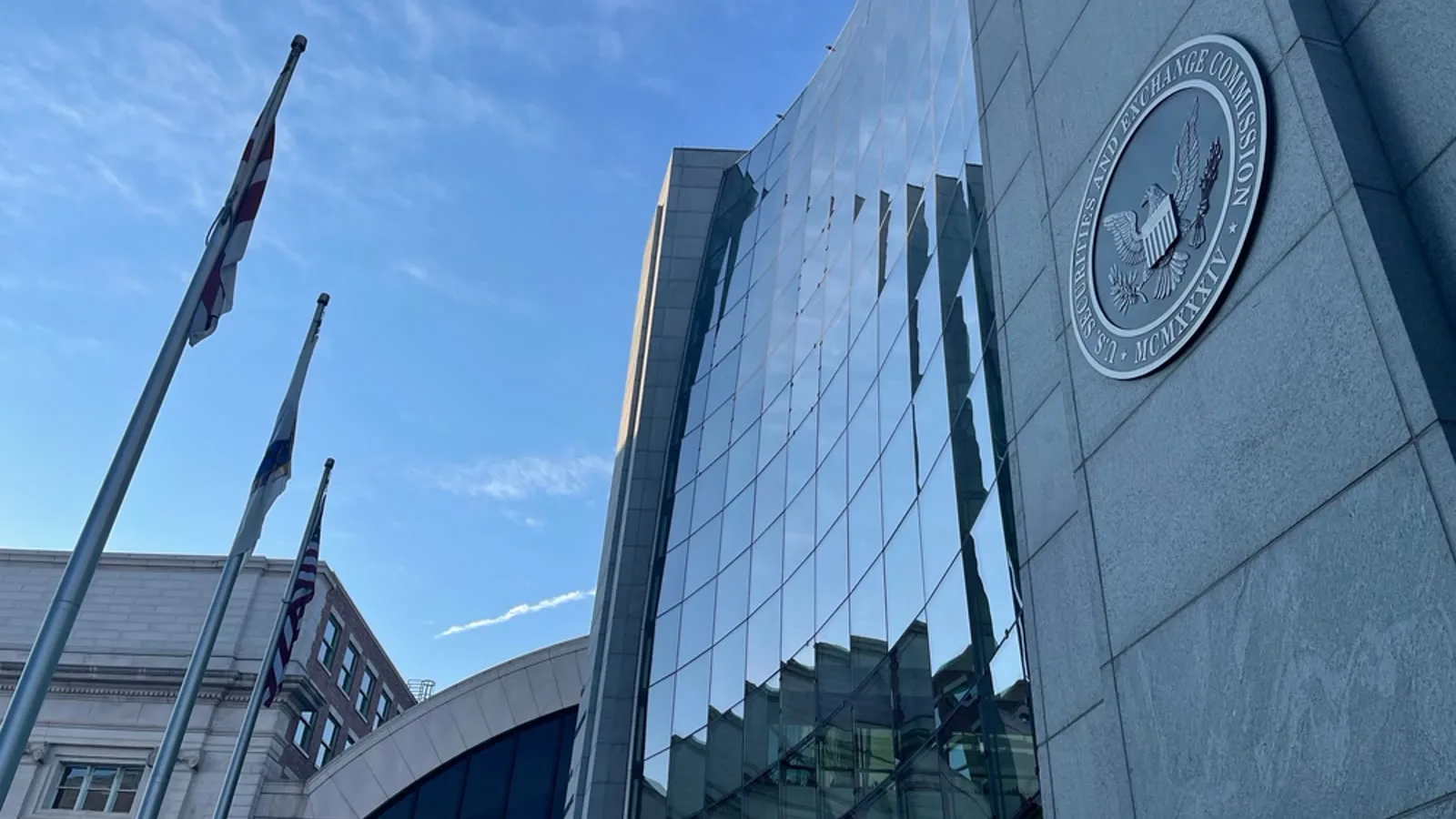
US securities regulators filed 348 enforcement actions in the fiscal year ended Sept. 30, targeting violations including fraud and insider trading, the Securities and Exchange Commission said.
The SEC provided no prior-year comparison in its Nov. 10 statement, “SEC Announces Enforcement Annual Results for Fiscal Year 2026.” Chairman Paul S. Atkins said case counts and financial remedies were not the only measures of enforcement success.
The commission said it obtained orders for $1.1 billion in monetary relief, including $752 million in repayments of gains and interest and $343 million in civil penalties. Of the repayments ordered, a court deemed $235 million satisfied in a separate case outside the SEC.
The commission also said it returned about $731 million to more than 250,000 harmed investors. Those payments were separate from its tally of monetary relief ordered during the fiscal year.
The SEC said its caseload included 235 standalone actions and 113 administrative proceedings seeking to bar or suspend people from certain securities activities following criminal convictions, civil injunctions or other qualifying orders. Two-thirds of standalone actions included charges against at least one individual.
The commission said it also imposed 13 trading suspensions over suspected manipulation involving securities of Asia-based issuers. Its enforcement priorities included market manipulation, insider trading, financial reporting violations and misconduct by professionals responsible for checking companies’ compliance.
David Woodcock, director of the SEC’s Division of Enforcement, said the division reviewed its investigations and expanded its investigative capabilities during the year. He said new initiatives were intended to improve its ability to address existing and emerging market threats.
The division said its new Retail Fraud Working Group had generated more than a dozen investigations. The group uses data analysis and information from regulators and law enforcement to pursue suspected schemes affecting individual investors, including investment fraud and impersonation scams.
The division said it also created a Financial Reporting and Accounting Unit combining lawyers and accountants, and an Office of Super Intelligence and Analytics. The office uses analytical tools to find unusual patterns, review documents and examine blockchain transactions and money flows.
The SEC said it updated its Enforcement Manual for the first time since 2017. The changes standardize procedures for notifying people of potential charges and explain how cooperation can affect civil penalties. The division plans annual reviews of the manual.
The commission said it also rescinded a rule requiring defendants who settled enforcement cases involving sanctions to agree not to publicly deny the allegations. Removing the requirement gives the SEC more flexibility to settle cases and could speed repayments to harmed investors, it said.