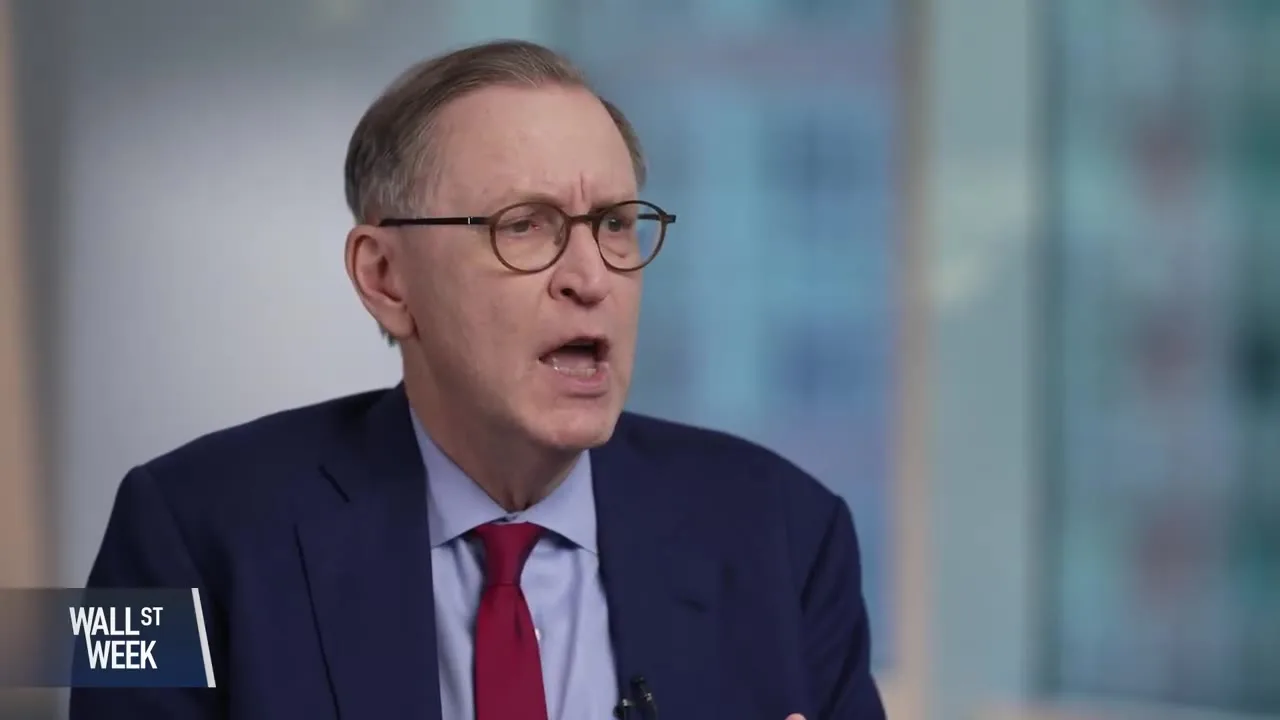
Substantive US policy changes are unlikely over the next two years because the president retains executive order and veto powers, SMBC's chief economist said after last week's election shifted the balance of power.
Political conflict could nevertheless intensify around government funding and borrowing. “Stalemate would probably be a good thing. I'm worried it'd be more like a battle,” he said on Bloomberg Television's “Markets Brace for Washington Policy Battles,” published Nov. 8.
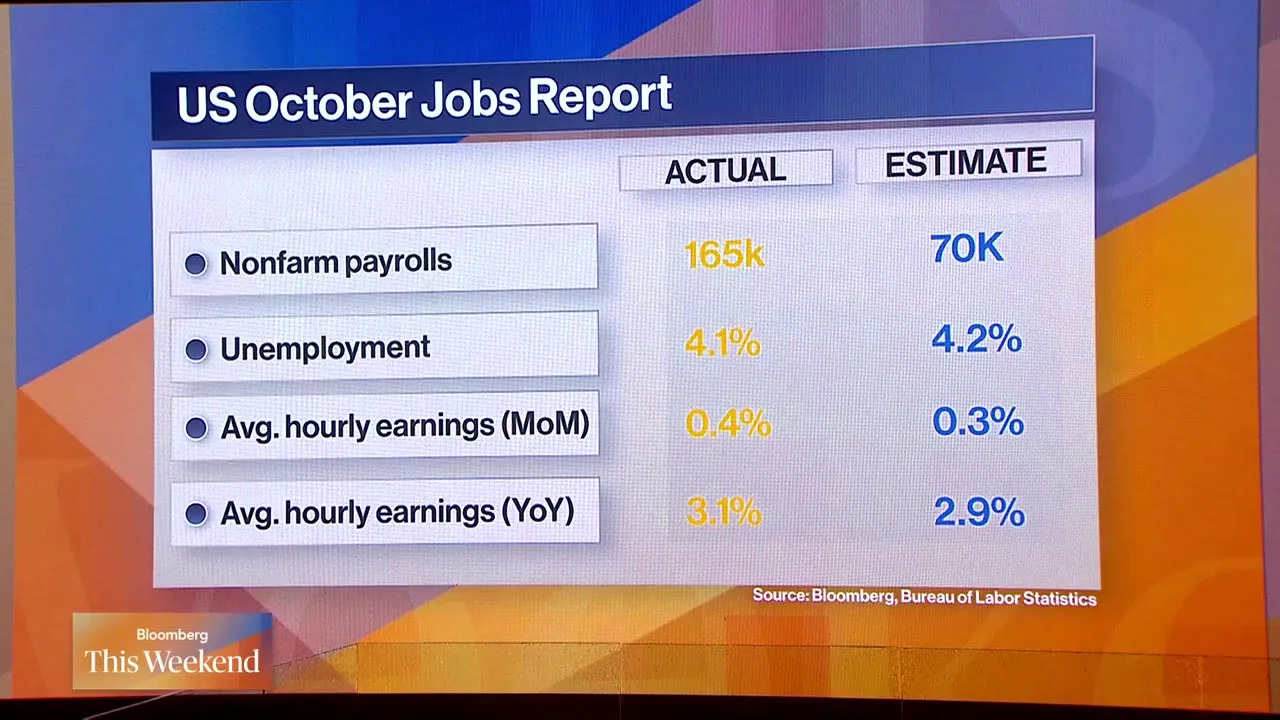
The economist, who previously worked in the Trump White House, identified affordability among voters' concerns, alongside accountability and corruption. He described the labor market as healthy and underlying economic growth as good.
He argued that the US invasion of Iran had disrupted expectations for an economic boom accompanied by falling inflation. A diplomatic resolution could bring down oil and other commodity prices and help reduce inflation, although he offered no outline of a possible agreement.
Turning to policy, he argued that markets had overestimated how much would change following the election. The administration's preference for less regulation, together with the president's powers, would limit policy changes. He expected spending on artificial intelligence to continue in the short term, while acknowledging it would eventually slow.
He expected investors' attention to turn toward the 2028 presidential election, including whether Republicans could retain the White House and regain House seats. He considered that election too distant to justify a negative assessment based on what might happen.
On White House personnel, he described Stephen Miller as the president's longest-serving adviser and someone who has considerable influence. Miller's experience working on policy would give him access to the president as chief of staff. The economist cited reports that Miller had advocated reaching an agreement to leave Iran, but treated those accounts as conditional.
He also identified Treasury Secretary Bessent as someone the president listens to closely. Drawing on his own experience at Treasury, he described its career staff as capable and politically impartial across administrations. He cited public reporting that Bessent had pressed for sanctions to bring Iran into negotiations.
Further personnel changes were likely after the election results, in his assessment, although he named no potential departures. He described turnover after an administration's first two years as common and expected more changes during the remaining two years of Trump's second term.
He expressed little optimism about cooperation between Congress and the White House, anticipating hearings, subpoenas and inquiries. Necessary legislation included farm funding, defense authorization, a full-year budget and an eventual increase in the debt ceiling, the legal limit on federal borrowing.
He also identified a need to extend temporary government funding, giving Dec. 11 as the expiration date while expressing uncertainty about that deadline. He expected most of those measures to become political fights, with little apparent willingness on either side to compromise ahead of 2028.