STAK Energy Corporation says a 15-year gas agreement with ExxonMobil Alaska Production Inc. will supply a proposed North Slope computing campus, tying local gas development to a power project targeting 2030.
STAK Energy says the contract could provide enough gas to generate nearly three gigawatts of electricity at Project Aaka. The company plans to use gas turbines for on-site generation and operate the campus outside Alaska’s public electric grid. STAK Energy said the signed agreement follows a gas sale precedent agreement in January but did not specify the year of that earlier arrangement.
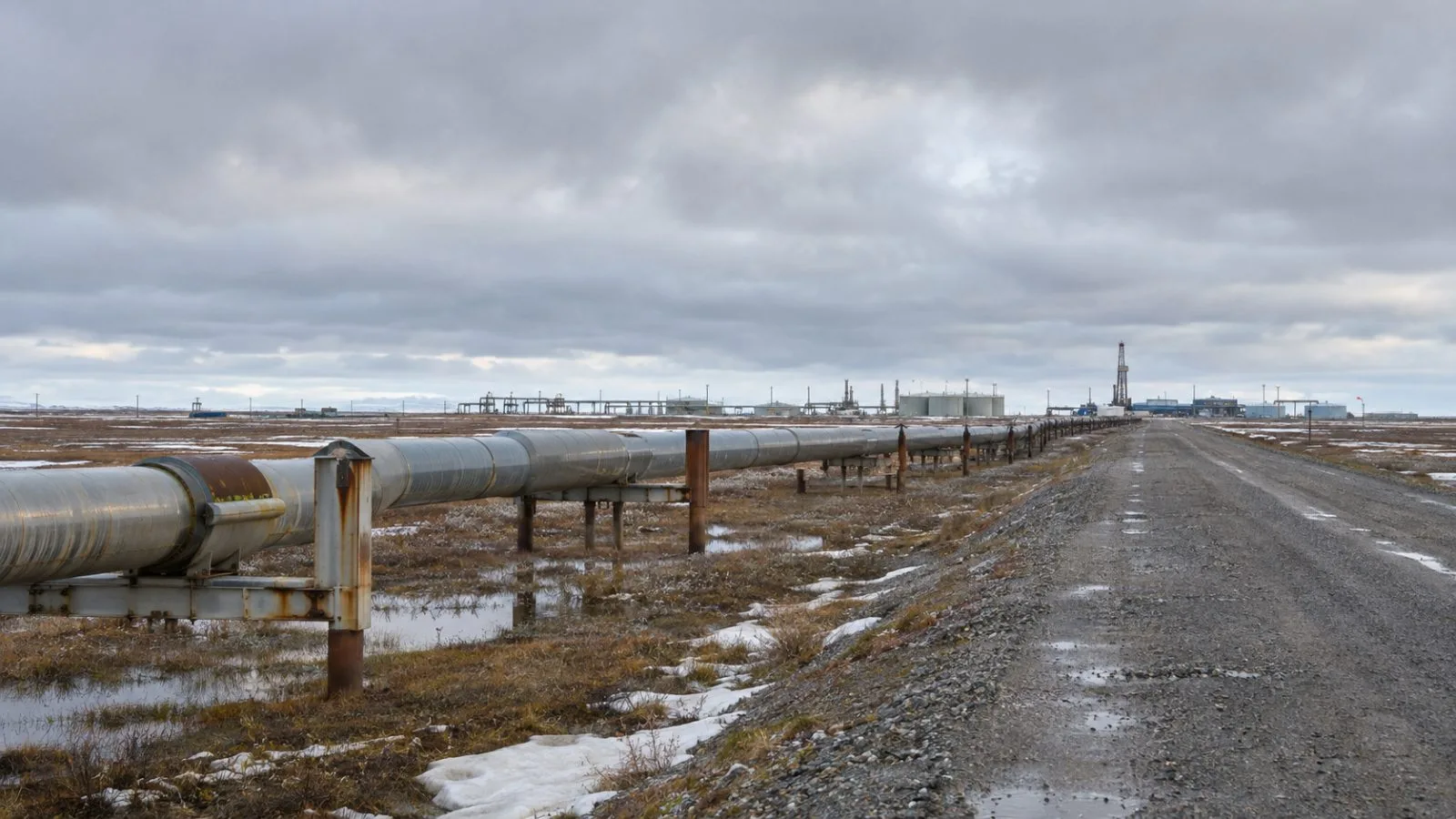
STAK Energy describes the site as part of an established North Slope industrial corridor with year-round road and airport access. Alaska’s Department of Natural Resources (DNR) gives the proposed power system a capacity range of one to three gigawatts. Its preliminary decision proposes a 50-year lease covering 715.4 acres about 26 miles south of Deadhorse; the public notice record contains no final lease decision.
The department’s preliminary review, citing STAK Energy’s application, estimates about $500 million in capital expenditures and roughly 60 permanent operating positions. DNR said its preliminary decision does not resolve separate state or federal approval requirements.
STAK Energy expects the campus to lower energy costs for nearby North Slope infrastructure and generate tax revenue for state and local governments, but its announcement did not estimate either benefit. DNR’s preliminary review identified potential cumulative effects involving air quality, wetlands, permafrost, caribou and subsistence resources.
DNR links the region’s historic gas reinjection and in-field use to limited export infrastructure, which has constrained wider monetization. STAK Energy says the campus would use the gas for local power generation. The company targets first power in 2030 and phased expansion through 2032; its announcement did not give a gas volume, price or delivery start date, or name computing customers or a turbine supplier.