A satellite study identified 40 regions where changes in water stored on and beneath land were associated with human activity, including losses in major farming areas.
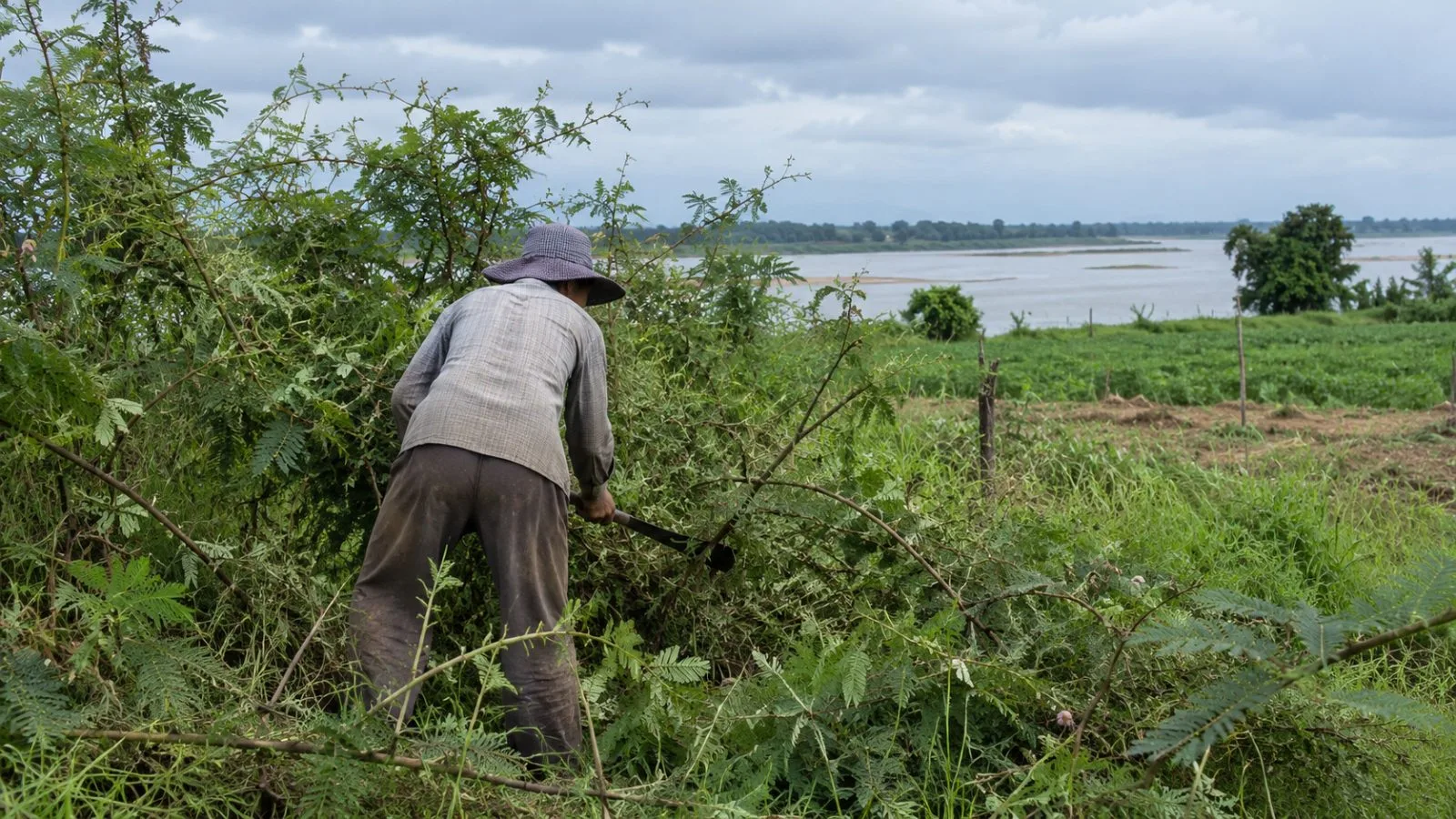
Northern India lost an estimated 32.4 gigatons of water a year over the study period. The researchers estimated that glacier retreat accounted for about 15% of the decline and identified agricultural groundwater use as a major pressure. Earlier research using the same satellite program had also documented severe groundwater depletion there.
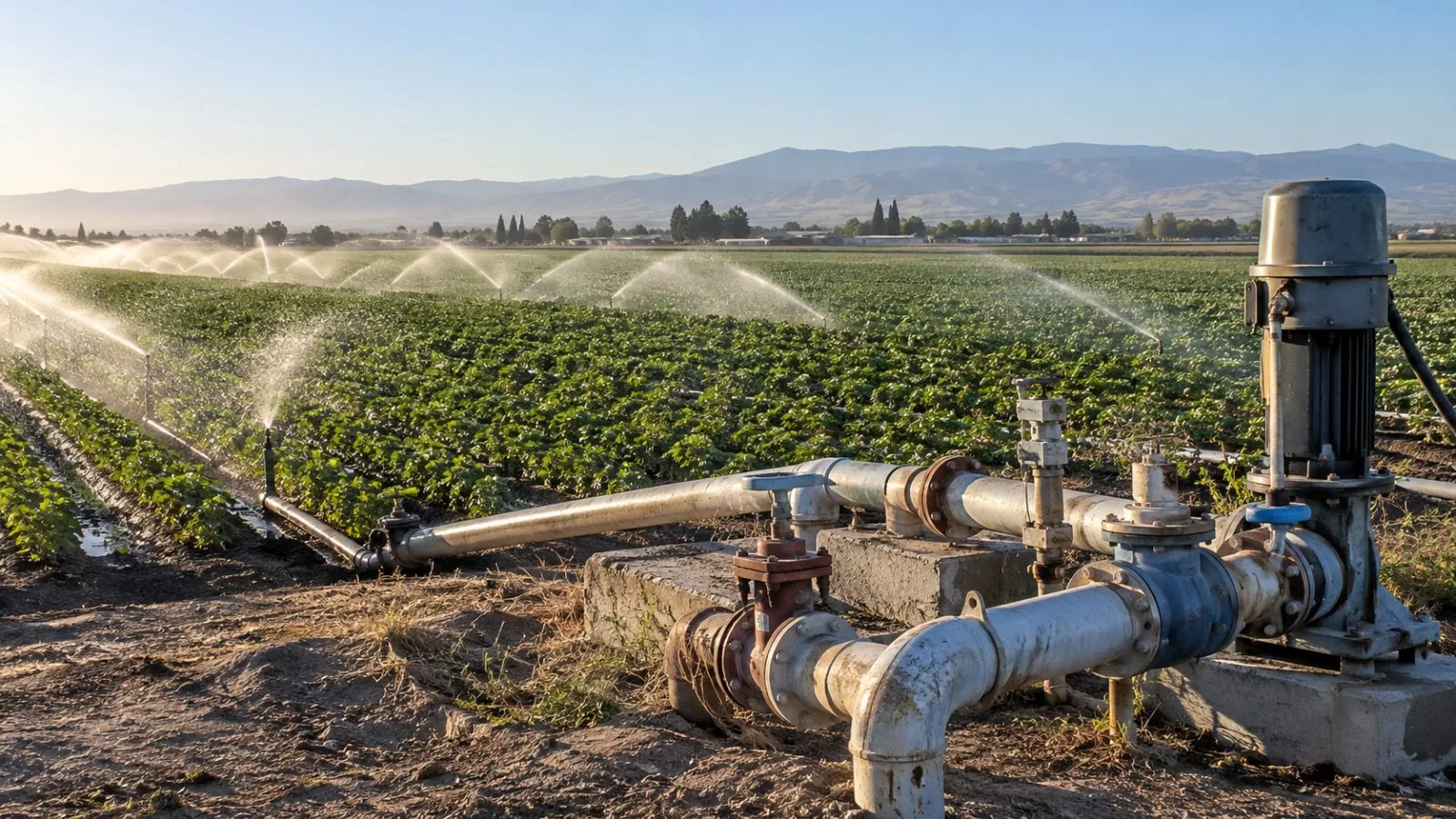
A southwestern U.S. region centered on California’s Central Valley lost an estimated 6.8 gigatons a year. The study linked that trend to drought and greater reliance on groundwater. Irrigation supplies farmland, but drawing on underground reserves can reduce the amount of water stored in a region.
The findings were not limited to losses. The West Sudanian Savanna gained an estimated 28.7 gigatons a year, a trend associated with rainfed cropland and influenced by climate. A region around Russia’s Boguchany Reservoir gained an estimated 3.8 gigatons a year, largely associated with the reservoir’s filling from 2012 to 2015. Across the 40 selected regions, cumulative losses totaled 3,122 gigatons and gains totaled 2,432 gigatons.
Published in the Proceedings of the National Academy of Sciences, the study analyzed NASA’s Gravity Recovery and Climate Experiment (GRACE) measurements from April 2002 to Aug. 2016 and GRACE Follow-On measurements from June 2018 to Nov. 2025. The missions detect small changes in Earth’s gravity that allow researchers to estimate changes in water storage. The team found significant trends in 94 regions and identified 40 where land or water use was associated with the changes.
By combining years of observations, the researchers produced a long-term trend map that resolves areas five to 10 times smaller than those distinguishable in conventional monthly maps. In the 40 regions, its measured trends were 33% larger in magnitude on average than estimates from the conventional method. The map does not show year-to-year variation, and the study does not assign a precise human share to each region’s change.
NASA Goddard Space Flight Center hydrologist Mary Michael O’Neill, who led the study, told NASA Earth Observatory that future research would seek more detail over time and examine effects downstream from dams and diversions. NASA’s Office of Inspector General said in a Sept. 23 audit that the successor mission, GRACE-Continuity, remained on schedule as of May 2026 to launch before July 2029, while facing cost and schedule risks.