Saudi Arabia’s defenses face pressure from threats in Yemen and Iraq, with a wider conflict involving Iran posing risks to energy exports and regional commerce, Anadolu Agency reported Oct. 22.
The Anadolu explainer said the kingdom confronts Houthi threats from Yemen and Iran-aligned armed groups in Iraq, amid the possibility of a wider clash with Iran. Its air defense network includes U.S.-made Patriot batteries and the Terminal High Altitude Area Defense (THAAD) system; guarding sites across the country also depends on radar, early warning and response capacity.
At about 2.15 million square kilometers (830,000 square miles), Saudi Arabia has energy infrastructure, transport hubs and population centers spread over a large area, the report said. Air defense crews must judge an incoming weapon’s speed, path and altitude and act within available warning time. Anadolu said frequent attacks would use up expensive interceptors and weigh on ammunition stocks and operational readiness.
Anadolu linked damage to petroleum installations with possible losses in production and export supply. It also warned that attacks on transport hubs could hurt tourism and commerce and make investors less confident.
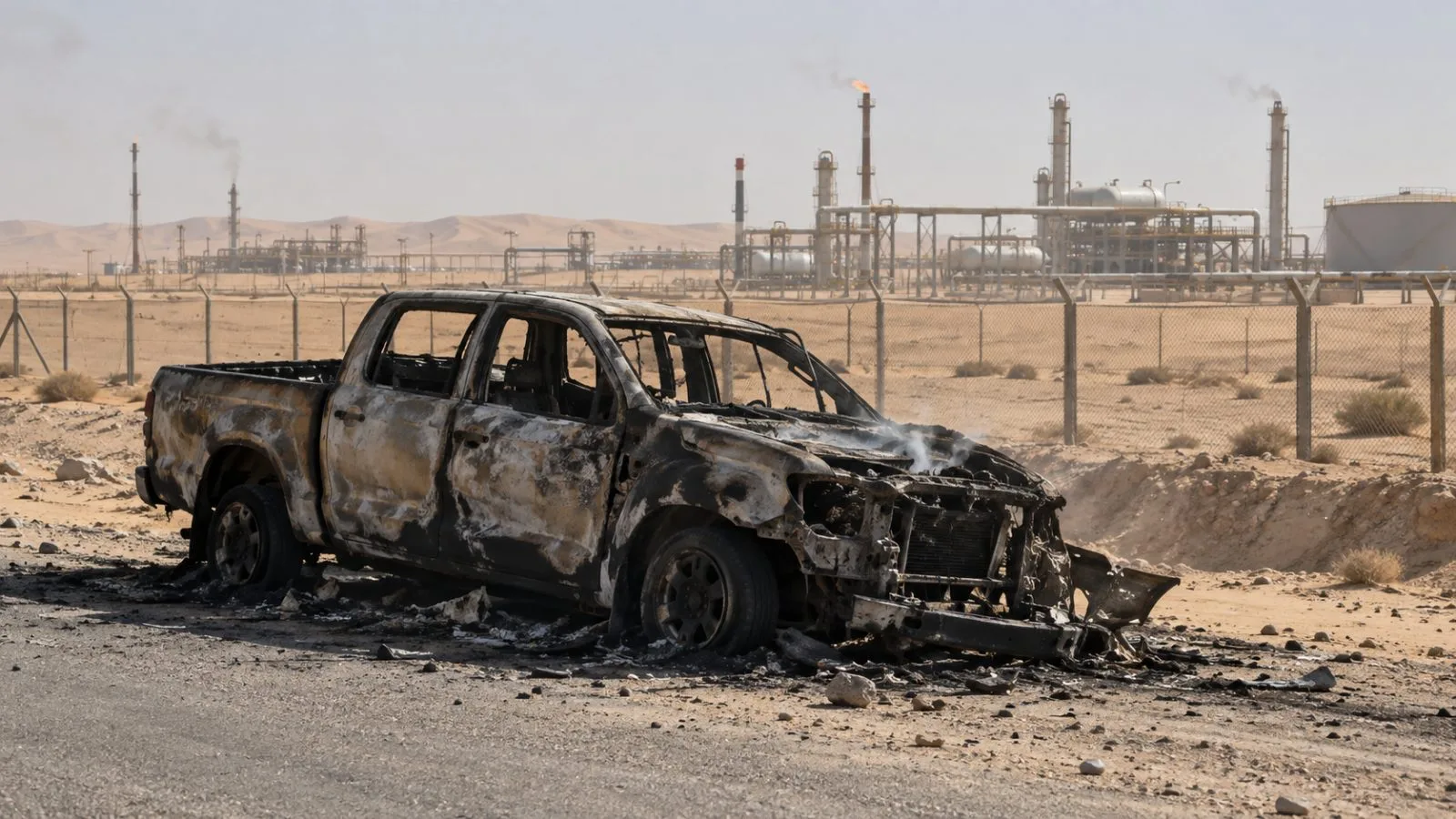
On Oct. 21, Saudi Arabia’s Ministry of Energy said a drone intercepted near Shaybah caused debris to ignite a contractor’s vehicle outside the facility, killing two people and injuring two others. The ministry’s account of the Oct. 21 Shaybah interception said operations continued without disruption.
Anna Jacobs, a nonresident fellow at the Arab Gulf States Institute in Washington, told Anadolu that Riyadh is still pursuing diplomacy with Tehran despite mounting frustration. She said military action is unlikely to end the Houthi threat, leaving negotiations as a likely route back. Jacobs described Saudi Arabia as having “few good options.”
Anadolu cited the 2015 intervention as a precedent that did not eliminate the Houthi threat. The agency also reported that a bill seeking parliamentary approval of the Mecca Joint Defense Agreement was submitted to Türkiye’s parliament on Oct. 21.