The Bank of England is likely to finish raising interest rates after two increases, with inflation peaking by mid-2027, Schroders' head of global economics said.
Investors expect too many increases, although further energy price rises could force the bank to keep raising rates. The forecast leaves the eventual stopping point dependent on energy costs.
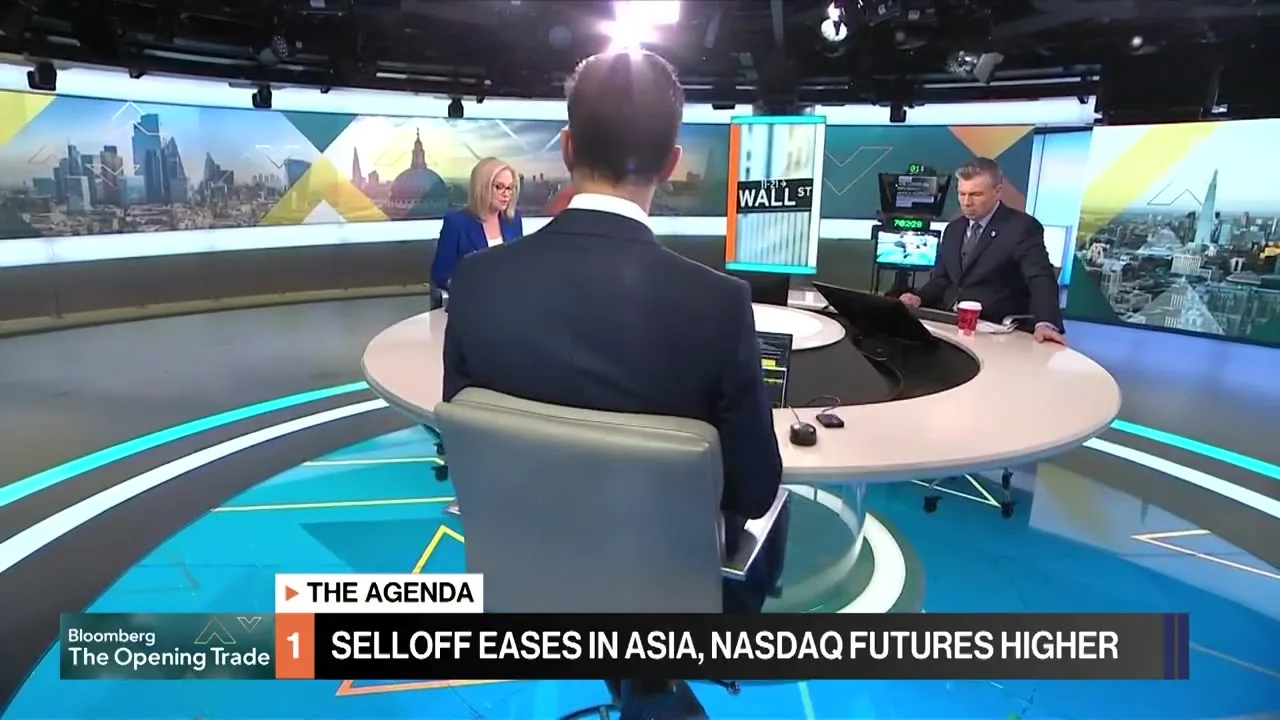
“The base case is two and done,” Schroders said in an interview on Bloomberg Television's “Oil Prices Retreat, Apple Results on Deck,” published Nov. 2.
The discussion began with doubts about whether the United States could sustain its economic growth. Consumers face a delayed squeeze, and the strength of recent activity does not necessarily mean that momentum will continue.
U.S. government spending is likely to stay loose regardless of the midterm election result. Politicians are unlikely to raise taxes before the presidential election in two years, while more spending could provoke a negative response in the government bond market.
Europe's economy is showing signs of weakening. Business surveys and measures of consumer confidence are softening, a change that could ease some pressure on central banks to raise borrowing costs.
Weak domestic demand in China is pushing the country to sell more goods abroad. That creates difficulties for other economies, even though cheaper imports can help bring down inflation.
The trade-off is between lower prices for imported goods and the damage those imports could do to manufacturing elsewhere. Additional Chinese stimulus had been expected, but the timing of further support remained unclear in the discussion.
In Britain, labour market figures look slightly better, but there is little evidence that the initial price shock is feeding a further round of inflation. Tentative improvements in activity leave the central bank balancing inflation against the risk of weakening growth.
A further jump in European gas prices would lift inflation, although households would not feel the entire increase immediately. The speed at which higher costs reach consumers differs across European countries.
Earlier modelling examined the initial energy shock about six months ago. Economies have since adjusted to some extent, changing how that shock feeds through over time.
The European Central Bank is unlikely to do much more on the basis of the economic outlook alone. More severe financial disruption could change that assessment, but bond market strains have so far remained orderly.
A prolonged failure to pass France's budget or more serious questions about the euro's integrity could increase the incentive to intervene. The threshold for action remained undefined, with further strain possible before policymakers respond.