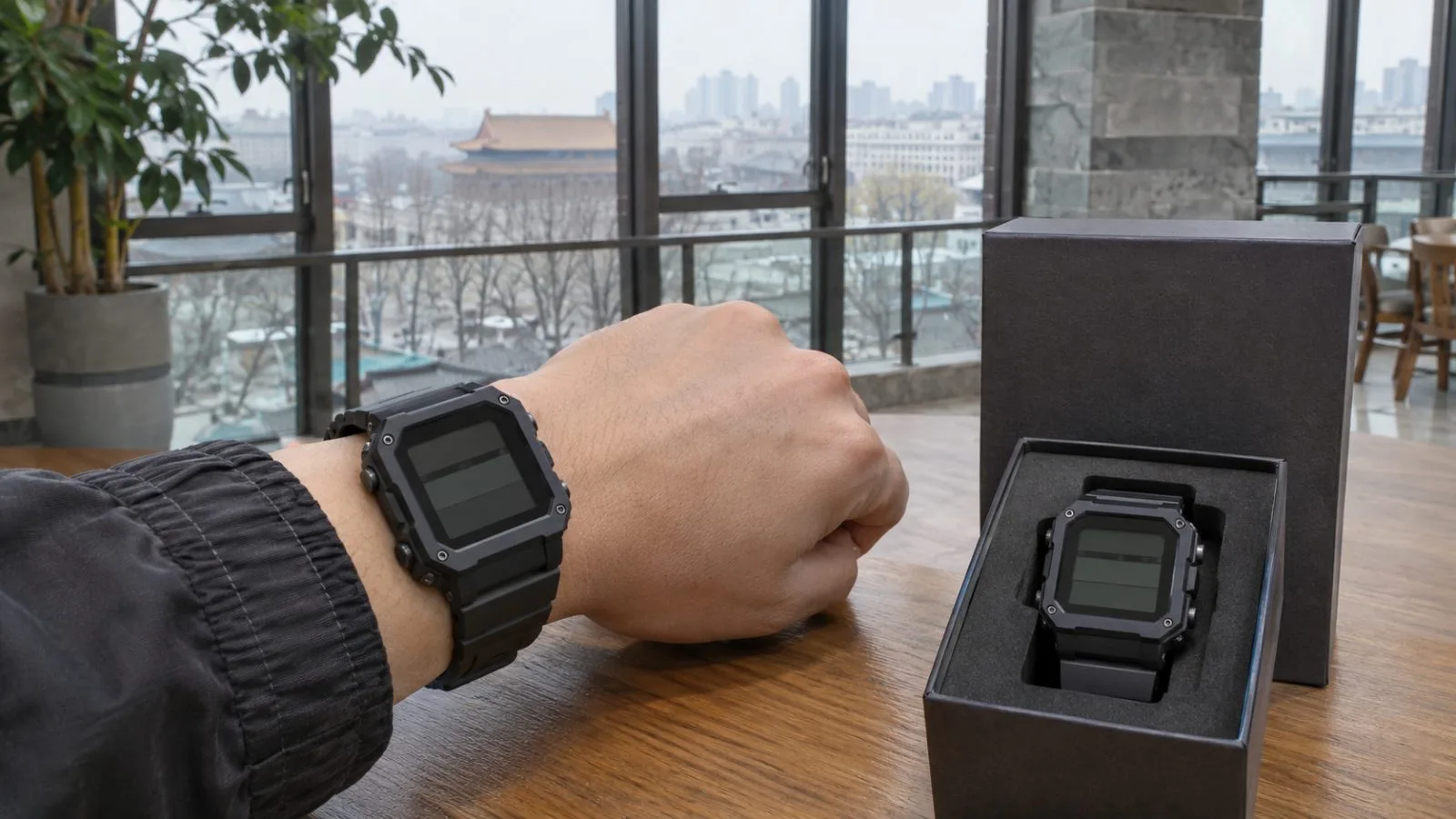
A 100-step test using a watch image showed Seedream 5.5 retaining more scene detail than the two OpenAI models, GPT Image 2.5 and GPT Image 2.6, although it covered one photo and instruction.
ByteDance introduced Seedream 5.5 in a Nov. 9 announcement that included a separate 100-edit portrait demonstration. The company says targeted training is intended to preserve parts of an image outside the requested change down to the pixel level. ByteDance also says small errors can build up when an edited image becomes the input for another edit.
The sequence began with an image showing a Casio G-Shock on a person’s wrist. At each step, the instruction moved the watch’s seconds reading ahead by one. The newly generated picture then served as the source for the next edit, and all three models advanced the reading through the sequence.
GPT Image 2.5 developed red marks on the arm by about edit eight, while the lettering on a package in the scene was garbled around edit 14. By edit 50, only the watch-face numbers remained legible; at edit 100, the image had broken into multicolored blocks.
GPT Image 2.6 followed a different path. Its colors grew more saturated from around edit 12, and by about edit 85 the original scene had given way to a product image of a different watch. The date display read “SU 6-30,” although the time remained correct. Seedream retained the wrist, package lettering and background details through the sequence.
The result reflects one photo, one repeated instruction and a process that fed each output into the next round. It does not establish a general ranking of the models. ByteDance said a Pro version of Seedream 5.5 will follow but gave no release date.