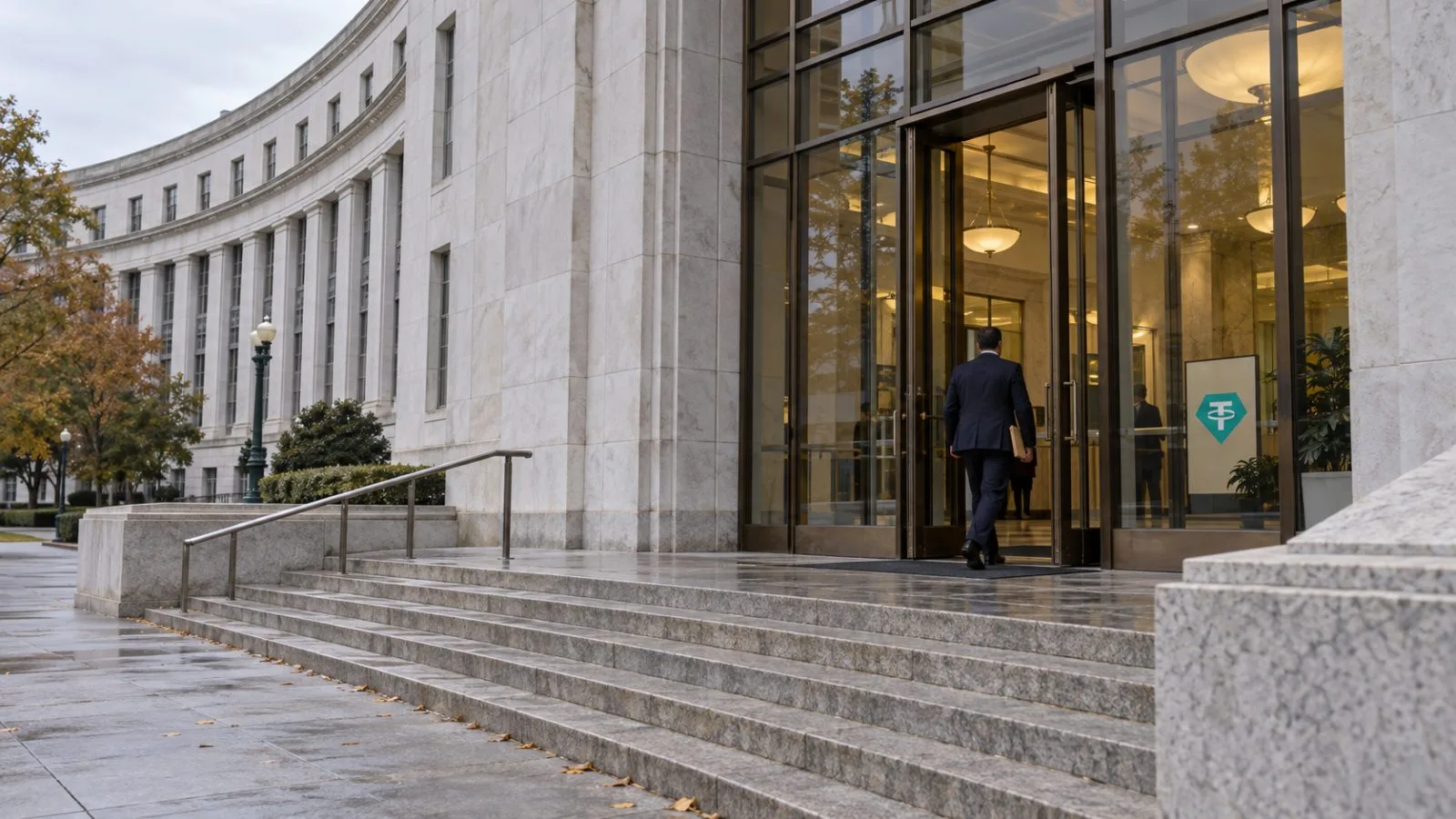
Senate Democratic staff say more than $34.6 million in Tether USDt (USDT) left wallets linked to Tawfiq Muhammad Sa’id al-Law after Israel publicized a seizure notice in June 2023, raising scrutiny of Tether’s freeze timing.
Democratic staff of the U.S. Senate Permanent Subcommittee on Investigations published the report Sept. 28. It said Israel’s National Bureau for Counter Terror Financing made the notice public in June 2023, and Tether had frozen five of the 39 addresses before March 2024. The remaining 34 stayed active until Tether froze them that month, the staff said. The report calculated that more than $34.6 million left the wallets after the notice became public.
The U.S. Department of the Treasury sanctioned al-Law on March 26, 2024, citing his support for Hezbollah. USDT is pegged to the dollar, and Tether has the ability to block individual wallet addresses.
In an Oct. 19 post, Tether CEO Paolo Ardoino cited unverified company figures. He said that since 2023, the average time between a Tether freeze and a formal designation by U.S. or Israeli authorities was four weeks. He separately said Tether froze addresses before blockchain analytics firm Chainalysis identified them in 99% of cases.
The figures measure different things. Democratic staff tracked transfers after a particular notice became public, while Ardoino described Tether’s wider record against official designations and Chainalysis identifications. His figures do not establish when the 34 addresses were frozen.
The staff report also reviewed 846 wallets sanctioned or named in seizure actions tied to Iran and regional allies. In that group, 84% of wallets used USDT for all or almost all transactions, according to the report. The report said Iran’s restricted access to conventional cross-border banking helped drive cryptocurrency use, and described Hamas as shifting from Bitcoin (BTC) and mixed assets toward USDT.
Sen. Richard Blumenthal, the subcommittee’s ranking Democrat, called for the Treasury and Justice departments to review Tether’s compliance with sanctions and anti-money-laundering requirements and weigh enforcement if they find violations. His separate request to Cantor Fitzgerald for Tether reserve and compliance records has an Oct. 23 deadline.