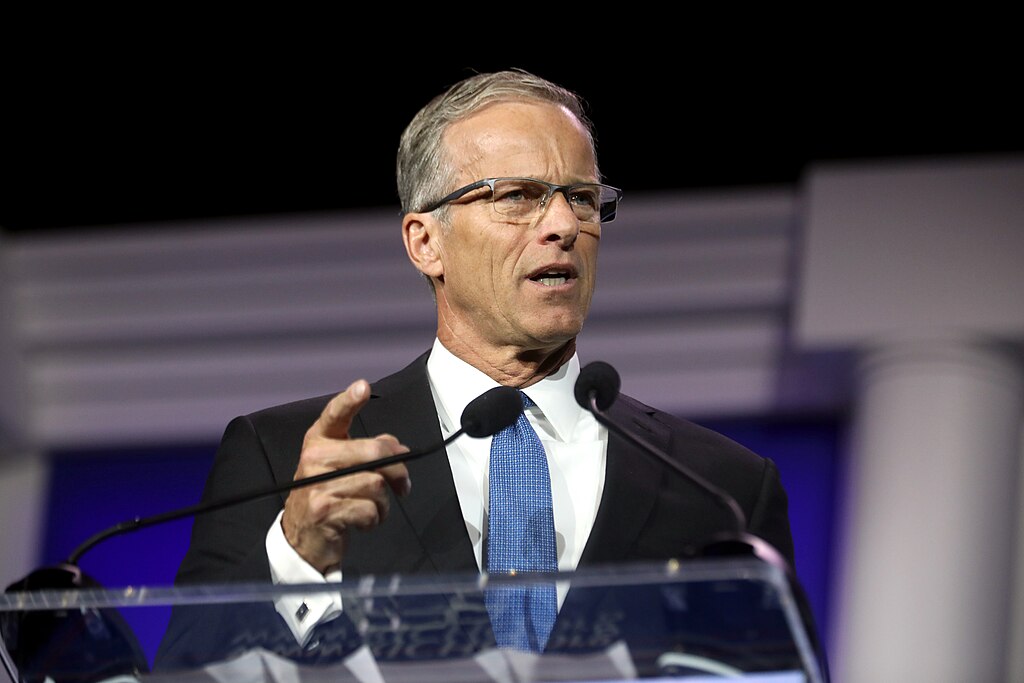
U.S. Senate Majority Leader John Thune has taken a key step toward advancing the Clarity Act, a major cryptocurrency regulation bill that could establish the first comprehensive federal framework for the U.S. crypto industry.
Thune, a Republican, filed early Saturday to arrange a crucial procedural vote when the Senate returns from its August recess in mid-September, according to the U.S. Senate Press Gallery website. The move could clear the way for a full Senate vote on the crypto market structure legislation.
Republican leaders would need to secure 60 votes to move the bill forward. With opposition remaining among many Democrats, the legislation currently requires support from at least eight Democratic senators, assuming all voting Republicans back it.
The Clarity Act aims to provide clearer rules for digital assets by determining when cryptocurrencies should be treated as securities or commodities and establishing which federal regulators have jurisdiction. Crypto companies have long argued that regulatory clarity is essential for encouraging investment, innovation and broader cryptocurrency adoption in the United States.
Passage would deliver another major crypto policy victory for President Donald Trump, following legislation supporting dollar-backed stablecoins that he signed into law last year. The crypto sector spent more than $119 million supporting pro-crypto candidates during the 2024 election as it pushed for favorable digital asset legislation.
Banks have raised concerns about provisions that could allow cryptocurrency companies to compete more directly for deposits by offering rewards tied to customers' stablecoin holdings.
The White House has made cryptocurrency reform a priority during Trump's second administration and has pushed for the Clarity Act. However, Democrats continue to seek stronger restrictions covering crypto ventures involving government officials.
Those concerns have gained attention because of the Trump family's involvement in digital assets. Trump reported more than $1.4 billion in income from his family's crypto ventures last year.
Negotiations over conflict-of-interest provisions remain fluid, leaving Democratic support as a key factor in whether the Clarity Act can secure enough Senate votes and move closer to becoming law.